

Florida cyclosporiasis cases surge to 417, nearly double last year: FDOH
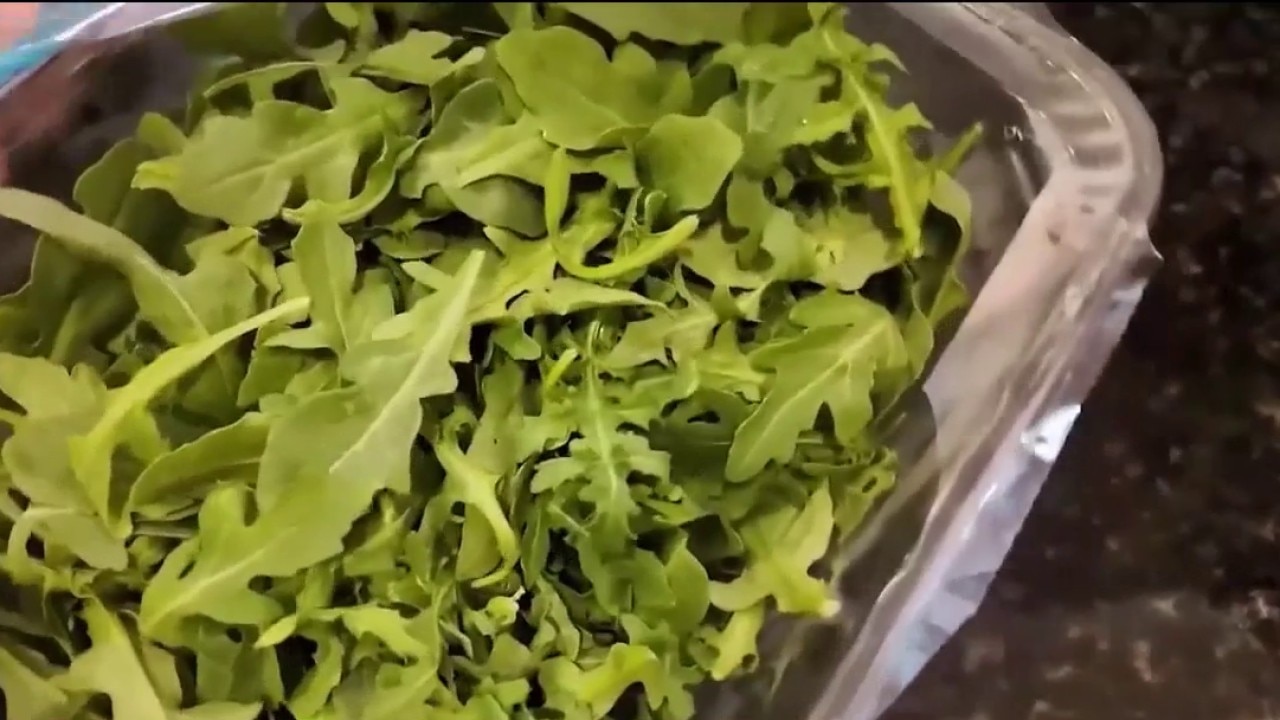
Cyclosporiasis outbreak update
Cyclosporiasis cases in Florida reached 417 as of Aug. 8, reflecting an increase from the state's total last year. FOX 13's Danielle Zulkosky reports.
TAMPA, Fla. - Cyclosporiasis cases are continuing to pop up nationwide.
Florida cyclosporiasis cases rise
By the numbers:
Cyclosporiasis cases in Florida hit 417 as of Aug. 8, according to the Florida Department of Health.
Last year the state had 210 total cases.
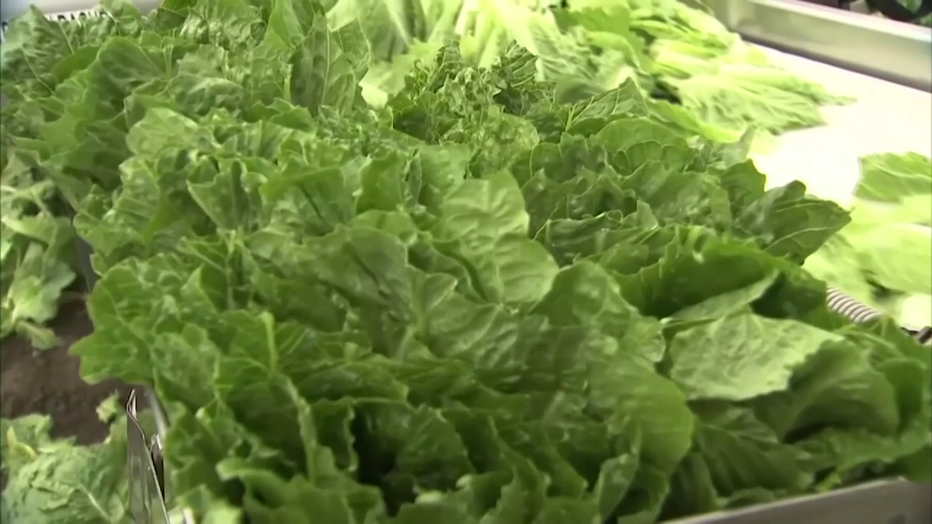
Bagged lettuce sales are down nationwide. That is evident in the Bay Area, where some are still eating lettuce, but many are not.
Bay Area consumer response
The other side:
"I'm still gonna eat it," Gary Yodice, of Land O' Lakes, said. "Because I'm 76 years old, nothing scares me anymore. I have a whole life. Whatever happens, happens. That's the kind of guy I am."
Florida outbreak source unclear
What they're saying:
"Absolutely not. I think getting sick at all is a big deal," Brendan McCoy, of Venice, said. "I think there's a lot of hidden expenses in getting sick. Going to the doctor's costs money. Not working costs money. I just don't think the risk is worth the reward."
Dr. Steven Goldberg, chief medical officer of HealthTrack, said this Florida outbreak is concerning because the source is unclear.
"I think this will continue, and more people will get ill. It's unfortunate," Goldberg said. "I'm sure state health departments, the FDA, the CDC, are doing all they can to identify the sources."
Cyclosporiasis is generally not life-threatening but can make you very ill with diarrhea, severe cramping, bloating and fatigue.
Parasite prevention methods
What you can do:
The disease comes from contaminated produce, but you can still have fruits and vegetables, just wash them well.
"Washing them, not only with light running water, but with forceful running water," Goldberg said. "And then also, sometimes friction, using your hands, will help clean the fruits and vegetables. Things like raspberries, blackberries, salad parts, they have irregular surfaces, so they can be hard to clean."
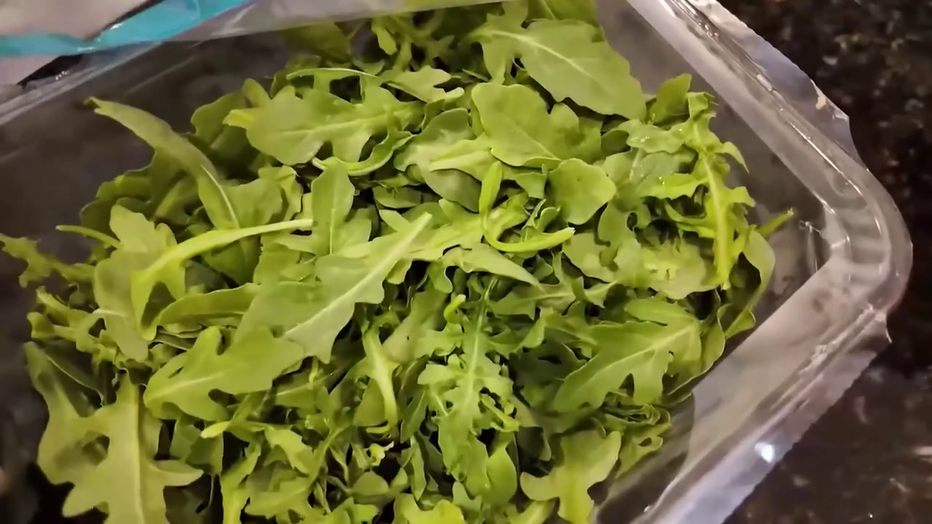
Or opt to cook all of your produce.
"A safe strategy if you're eating fruits and vegetables is to cook them at [a] high temperature," Goldberg said. "That will kill the parasite."
The Source: The information in this story comes from the Florida Department of Health's Reportable Diseases Frequency Report from Jan. 1 to Aug. 8, as well as interviews conducted with the chief medical officer of HealthTrack and Bay Area consumers.