

Florida’s upcoming executions: Three long-standing capital cases
Courtesy: Florida Department of Corrections
FLORIDA - Florida set a modern record for executions in 2025, when Gov. Ron DeSantis issued death warrants that ultimately led to 19 executions—the most in a single year in the state's modern death-penalty era. The previous record was eight executions, set in 2018.
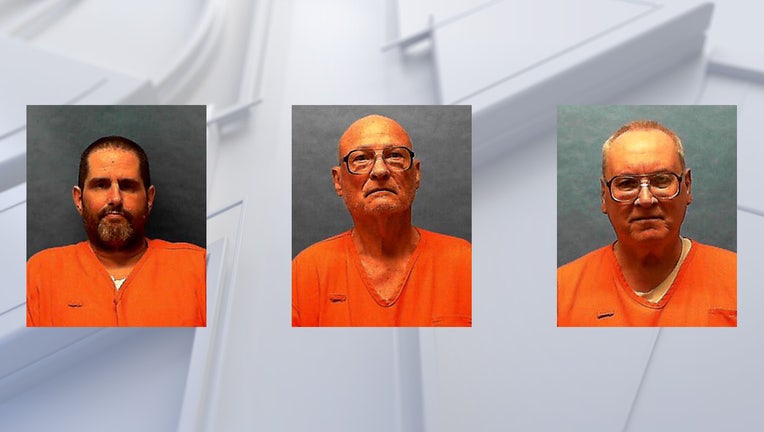
As Florida continues its rapid execution pace in 2026, three long-standing capital punishment cases are scheduled to conclude over the coming weeks.
If all three scheduled executions proceed, Florida's total number of executions in 2026 will rise to 15 under Gov. Ron DeSantis.
What we know:
Courtesy: Florida Department of Corrections
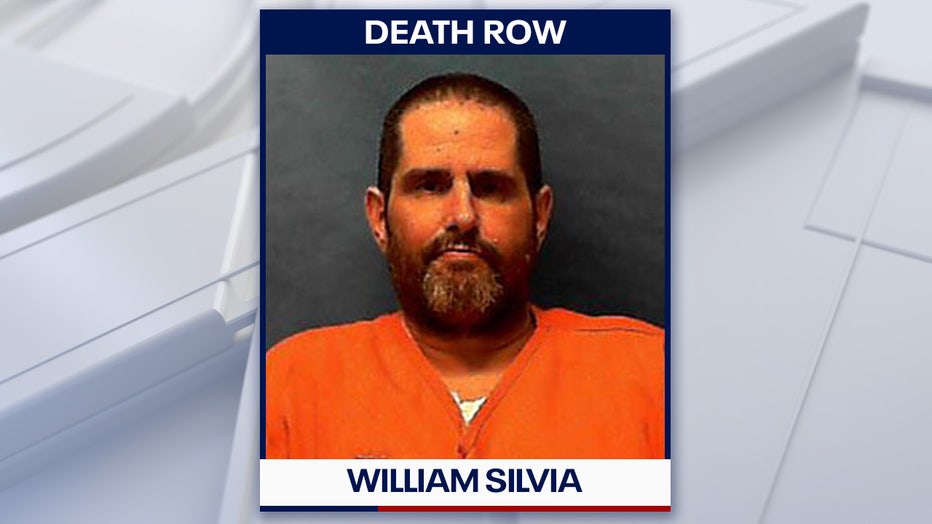
2006: Estranged Wife Case of William Frances Silvia
Winter Park/Casselberry
- 2002–July 2006: Patricia Silvia married William Silvia in 2002. They separated in July 2006, and Patricia, 39, moved into her parents' home with her two children. Following the separation, Silvia, 41, became homeless, lived in his truck, and made repeated unannounced late-night visits to the home, where he was turned away.
- September 22, 2006 (The Incident): After losing his job the day before, Silvia bought a 12-gauge shotgun and ammunition, rented a motel room, and drove to Patricia's parents' home during a family cookout. After a brief interaction, Patricia walked away, prompting Silvia to tell her, "You will be sorry." Silvia retrieved his shotgun and fired seven rounds. He shot Patricia’s mother, Betty, in the face as she opened a door, causing permanent facial trauma. Silvia shot and killed Patricia inside the kitchen while she was getting iced tea from the refrigerator.
- September 23, 2006: Police arrested Silvia in a motel parking lot. Silvia confessed to the shooting during transport, saying he did it because she spent all their money and started dating her ex-husband.
- June 2008: A jury convicted Silvia of first-degree murder and attempted murder on June 6, 2008.
- January 2008: On Jan. 28, 2009, a judge sentenced Silvia to death for Patricia's murder and life in prison for the attempt on her mother.
- 2011–2018: The Florida Supreme Court affirmed his conviction in 2011. Although a lower court initially granted a new sentencing hearing in 2017 following changes in state death penalty laws (Hurst v. Florida), the Florida Supreme Court reversed the decision in 2018, reinstating his death sentence.
- July 17, 2026: DeSantis signed Silvia’s death warrant.
- August 18, 2026: Silvia, now 61, is scheduled for execution via lethal injection.
Courtesy: Florida Department of Corrections
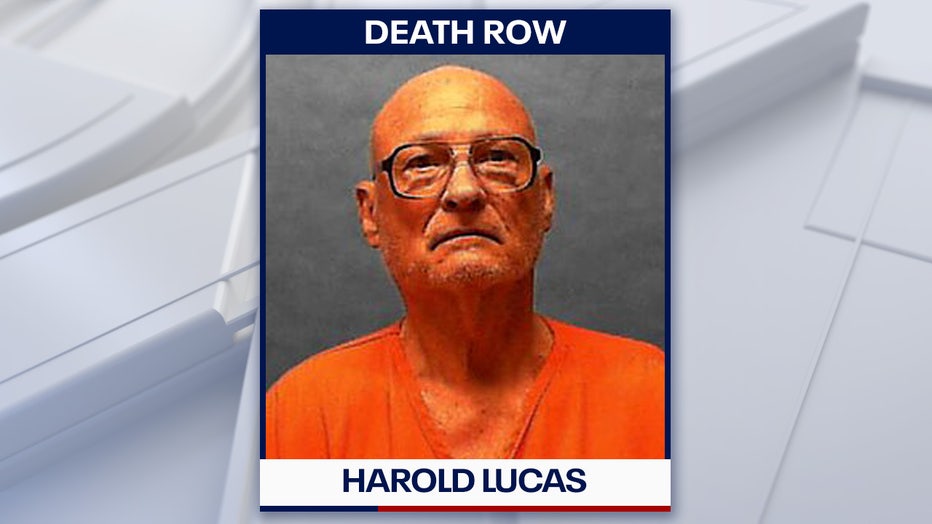
1976: The 50-Year Case of Harold Gene Lucas
Bonita Springs, Florida
- August 13, 1976: Harold Gene Lucas, 24, threatened to kill his 16-year-old girlfriend, Jill Piper, following a week of arguments. On Aug. 13, Lucas went to Piper’s Bonita Springs home with a rifle and opened fire on her and her friends in the yard. Piper was shot, made it inside the house, and was shot several more times by Lucas, who also attempted to kill her friends.
- February 1977: Lucas was convicted of first-degree murder and attempted murder, receiving a death sentence in 1977.
- 1979–2012: Over three decades, state and federal courts repeatedly affirmed Lucas’ conviction and sentence, including decisions by the Florida Supreme Court (1979, 1992, 2003), the U.S. District Court (2008), and the 11th Circuit Court of Appeals (2012). He filed many appeals which were ultimately denied.
- July 30, 2026: DeSantis signed Lucas' death warrant.
- September 1, 2026: Lucas, now 74, is scheduled to die by lethal injection after 50 years on death row.
Courtesy: Florida Department of Corrections
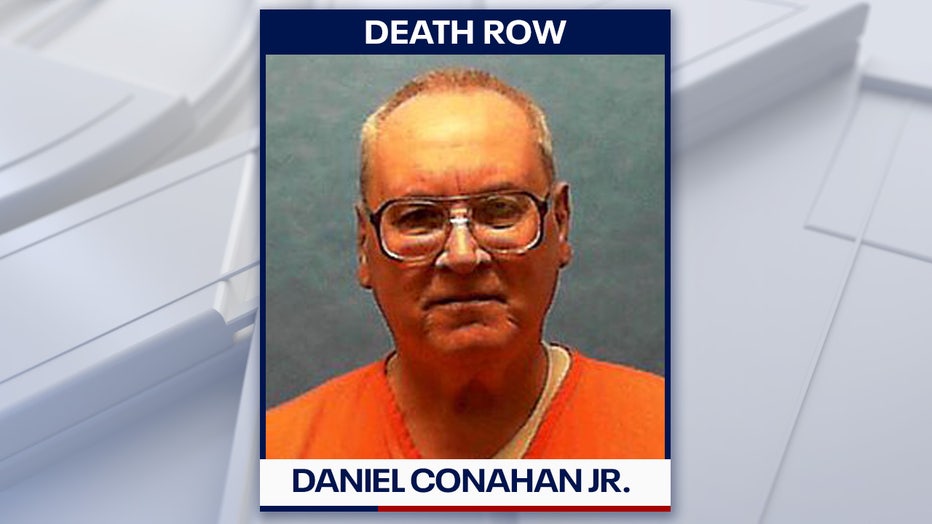
1996: The "Hog Trail Killer" Case of Daniel O. Conahan Jr.
Charlotte County, Florida
- April 16–17, 1996: Daniel Owen Conahan Jr. lured 21-year-old Richard Alan Montgomery to a remote area in Charlotte County under the pretense of paying him for nude photos. Montgomery’s body was found in carpet padding the next day.
- August–December 1999: Conahan was convicted of first-degree murder and kidnapping on Aug. 17 and sentenced to death on Dec. 10.
- January 2003: The Florida Supreme Court affirmed Conahan's conviction and death sentence.
- August 11, 2026: DeSantis signed Conahan's death warrant.
- September 10, 2026: Conahan, now 72, is scheduled to be executed by lethal injection.
Why Capital Cases Take Decades
Big picture view:
The decades-long gap between conviction and execution in Florida is driven by a multistep legal process designed to prevent unlawful executions:
- Direct Appeals: Sentences are automatically reviewed by state high courts to check for trial errors.
- Post-Conviction Reviews: Defense attorneys investigate issues outside the original record, such as attorney performance or new evidence.
- Federal Review: Inmates can request federal court reviews regarding constitutional rights violations.
- Evolving Case Law: Changes to state or national legal standards often trigger re-evaluations of older cases.
- Warrant Dynamics: Governors control when a warrant is signed, which typically triggers a final round of emergency legal appeals before an execution date is finalized.
Scheduled execution order
By the numbers:
1. William Frances Silvia — August 18, 2026
2. Harold Gene Lucas — September 1, 2026
3. Daniel O. Conahan Jr. — September 10, 2026
Inside Florida Death Row
Dig deeper:
- Florida executions were considered unconstitutional from 1972 to 1976.
- Florida executions resumed in 1979.
- In January 2000, lethal injection was approved as an alternative method of execution.
- Death row inmates are authorized to socialize with other inmates during dayroom and recreation activities. They have snacks, radios and a 13-inch television, although they do not have cable television or air conditioning. While on Death Watch, inmates may have radios and televisions positioned outside their cell bars.
- Death row inmates wear orange T-shirts to distinguish them from other inmates; however, they wear the same blue pants as regular inmates.
- On the day of the execution, the inmate will be allowed to request a last meal, and a nonalcoholic drink costing no more than $40 is available. The meal is provided by the institution and approved by the food service director. The inmate will be escorted to the shower and then returned to their cell, where they will be issued appropriate clothing.
- After the execution, the inmate's body will be transported to the medical examiner's office in Alachua County.
- The executioner is a private citizen who is paid $200 per execution. State law allows the executioner's identity to remain anonymous.
To learn more about Florida death row, click here.
The Source: The information in this story was gathered from court documents, legal records, and historical case filings detailing Florida Supreme Court rulings, death warrants authorized by Gov. Ron DeSantis, state execution schedules and the Florida Department of Corrections.