

25 Years After 9/11: How the attacks revolutionized U.S. war planning at CENTCOM
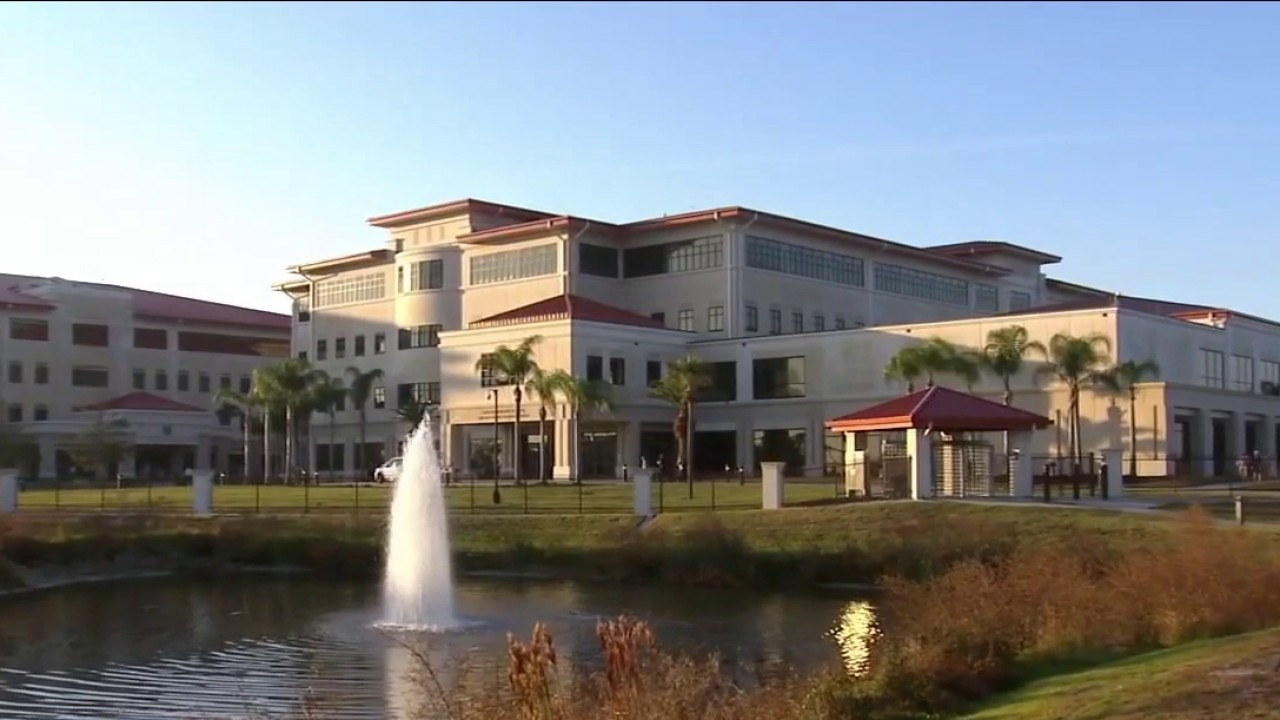
How 9/11 changed MacDill AFB
Twenty-five years ago, the September 11th attacks changed our world from the strict security we now have at airports to changes in building design and the reorganization of federal government. FOX 13's Craig Patrick reports.
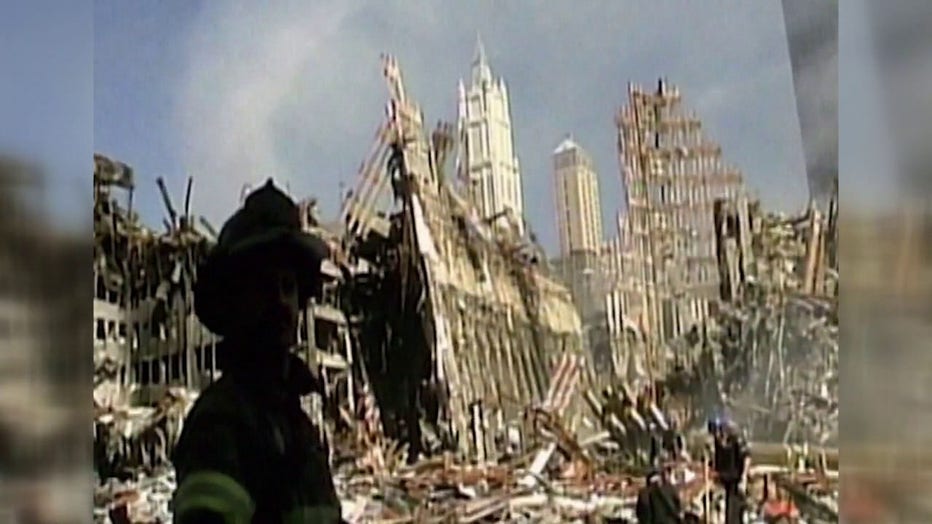
TAMPA, Fla. - While the public watched live broadcasts on the morning of September 11, 2001, trying to understand if a plane or jet had suffered a catastrophic mechanical failure, intelligence officers at U.S. Central Command (CENTCOM) in Tampa already knew the truth.
CENTCOM pivots to asymmetric warfare
What we know:
Within minutes of the first crash into the World Trade Center, command leadership was briefed that the nation was under attack from a terrorist network operating out of Afghanistan.
That realization initiated an immediate, permanent transformation in American military strategy. For decades, commanders had engineered operational war plans around conventional, symmetric conflicts — armies fighting armies and tanks battling tanks across contested borders.
The events of 9/11 forced an operational pivot toward asymmetric warfare against stateless enemies who turned civilian infrastructure and passenger jets into weapons of mass destruction.
Intel officer halts retirement plan
The backstory:
Before 2001, established military doctrine was rooted in Cold War-era strategies. The sudden shift toward counterterrorism challenged long-standing concepts taught in traditional military textbooks.
Retired Colonel E.J. Otero, who was serving as an intelligence officer and Lieutenant Colonel six months away from a planned retirement on 9/11, put his departure on hold to assist with the transition.
When Otero subsequently attended the Air War College at Maxwell Air Force Base in Alabama, he said he encountered an academic curriculum struggling to keep pace with the reality of modern conflict.
MacDill AFB footprint expands rapidly
Local perspective:
The operational shift fundamentally transformed MacDill Air Force Base in Tampa, which houses both CENTCOM and U.S. Special Operations Command (SOCOM). As the military leaned heavily into Special Forces deployments and lethal drone surveillance, the physical footprint of the base expanded to accommodate a growing global coalition.
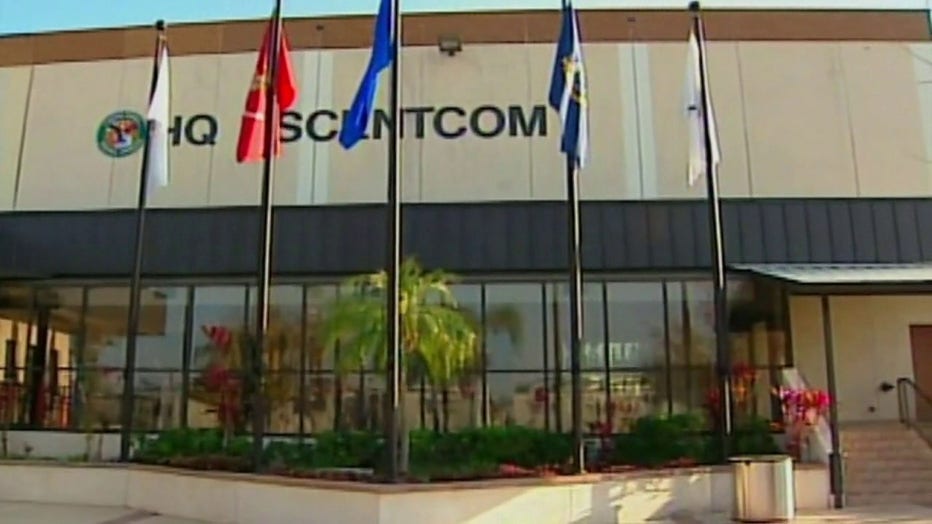
Under the direction of General Tommy Franks, CENTCOM established international "villages" — specialized operational workspaces on the Tampa base designed to house allied military personnel. More than 60 partner nations sent tactical planners, intelligence officers, and military attachés to MacDill.
Together, this international coalition coordinated complex logistics, standardized close-quarter battle drills, and executed joint training exercises across the Middle East.
Despite the massive scale of these operations, the base remained shrouded in secrecy behind tightly controlled security checkpoints, leaving much of the surrounding civilian population unaware of the daily strategic command decisions occurring inside.
Patriot Act funnels bulk data
Big picture view:
The transformation of military strategy coincided with a controversial expansion of federal intelligence-gathering capabilities. Just weeks after the attacks, the passage of the Patriot Act granted federal law enforcement and intelligence agencies sweeping new authorities to collect personal records and harvest bulk telecommunications data.
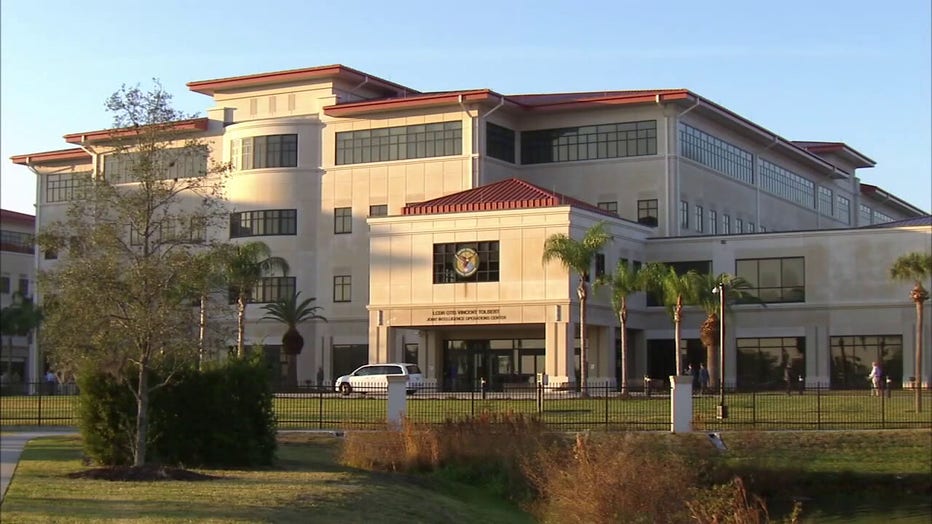
While the legislation sparked domestic privacy debates that persist 25 years later, it also directed an unprecedented volume of raw data into military channels. To process this incoming flood of information, CENTCOM’s Joint Intelligence Center was tasked with synthesizing domestic surveillance streams with foreign intelligence reports.
Quarter-century modernization milestones
By the numbers:
- 25: The number of years since the September 11 attacks altered global security protocols and military strategy.
- 60+: Partner nations that stationed tactical planners and intelligence personnel at CENTCOM headquarters in Tampa at the height of coalition operations.
- 6: The number of months remaining until E.J. Otero's planned retirement before the attacks prompted him to stay and lead CENTCOM's intelligence expansion.
Veterans reflect on strategic pivot
What they're saying:
- Ret. Col. E.J. Otero on the immediate aftermath of the attacks: "Even within minutes after it happened, it started the transformation and you could see it. Everybody took the initiative to start dusting off plans and coming up with things that we may need... And it changed the nature of war."
- Otero on the obsolescence of traditional military textbooks at the Air War College: "And the professors were teaching old type of concepts. And I would raise my hand and I would say, 'Well, wait a minute. No, we didn't do it like that, we did it like this,' and they said, 'Well, no, the book says...' Well, no, the books are wrong."
- Otero on the necessity of multi-source intelligence verification: "Very dangerous to use only one form of intelligence to act on something, especially in war."
Modern threats reshape joint strategy
What's next:
A quarter-century later, the strategic architecture established in the wake of 9/11 continues to dictate how the United States projects power and anticipates emerging threats. As warfare evolves toward cyber conflicts, artificial intelligence, and hypersonic weaponry, the framework prioritizing joint coalition planning, rapid special operations, and multi-source intelligence synthesis — remains the foundational model for modern combat commands.
The Source: This report was compiled by FOX 13 Political Editor Craig Patrick as part of a 25th-anniversary investigation into the enduring impacts of the September 11 attacks. Historical context and operational details were sourced from an extensive interview with Retired Colonel E.J. Otero, Former Director of Intelligence Operations at U.S. Central Command (CENTCOM). Additional background relies on historical broadcast archives from September 11, 2001, legislative records of the USA PATRIOT Act, and unclassified operational histories of MacDill Air Force Base and coalition partnerships in Tampa.