

Errors and denials: The hidden cost behind Florida's disability waitlist
Millions in unused disability funds as waitlist grows
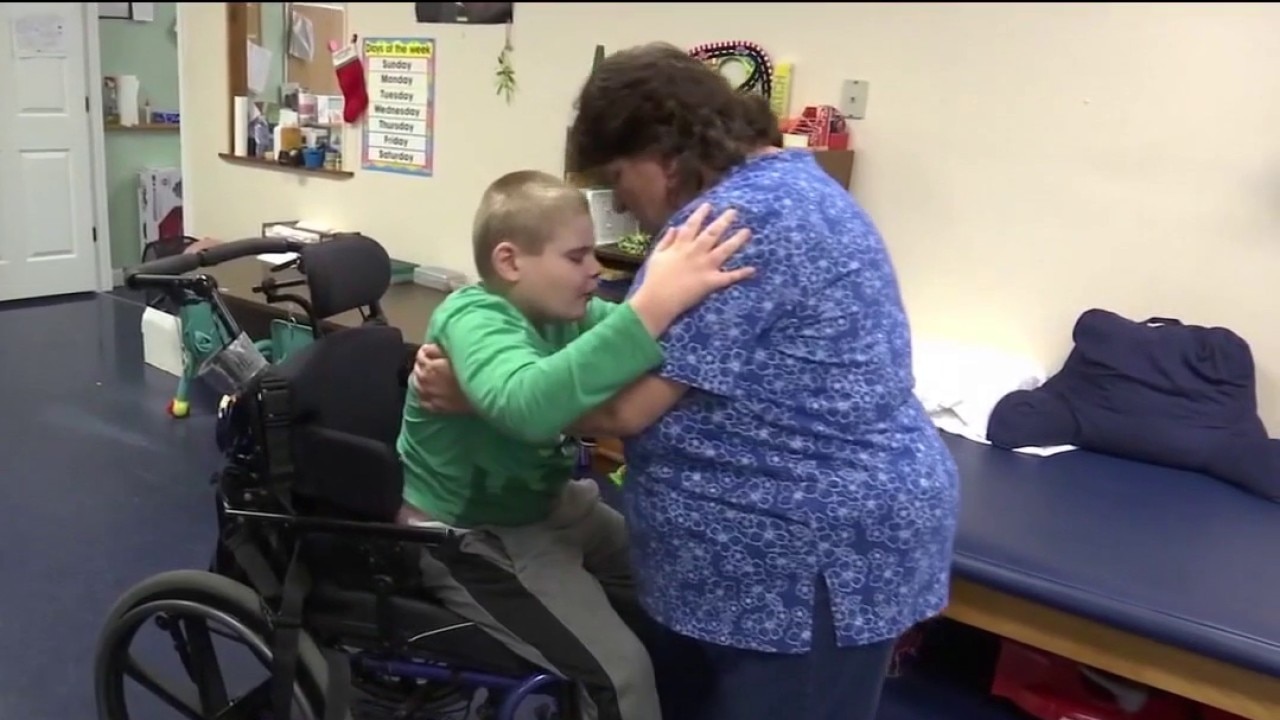
While thousands of children with severe disabilities wait years for home-based care, Florida's Agency for Persons with Disabilities (APD) has been returning unspent money to the state. FOX 13's Craig Patrick investigates.
TAMPA, Fla. - While thousands of children with severe disabilities wait years for home-based care, Florida's Agency for Persons with Disabilities (APD) has been returning unspent money to the state.
By the numbers:
During committee hearings in 2025, state lawmakers demanded answers as to why the agency recommended returning $360 million, despite the legislature appropriating an average of $88 million annually over the past four years, specifically to pull people off the waitlist.
Heading into 2026, the APD has pointed to progress, citing a reduction in the waitlist from roughly 20,000 to 16,000. However, families in the backlog — as well as longtime recipients of home-based services — say the reduction needs context. Some received benefit termination notices due to errors in a process commonly known as Florida’s Medicaid unwinding.
Stress and instability
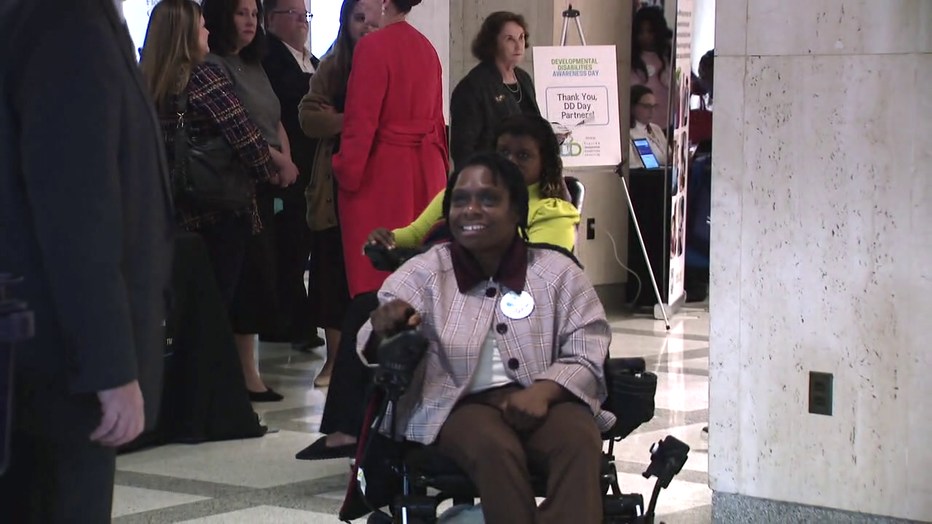
For residents like Sarah Goldman in Tallahassee and Chatequa Pinkston in Tampa, the state's bureaucratic hurdles have resulted in notifications of termination, and with it, significant stress.
Goldman, who has cerebral palsy, successfully bypassed the waitlist in 2014 by filing an emergency crisis claim to avoid homelessness. Her home-based services allow her to live independently, hold a job and pay taxes. However, as the state's waitlist numbers began to tick down, Goldman was abruptly dropped from her services twice.
Pinkston experienced a similar sudden termination, describing a mix-up that took months to correct.
Melissa Mazaeda, a support coordinator whose agency assists individuals with developmental disabilities, noted that these terminations are happening to individuals with lifelong, permanent conditions like Down syndrome, cerebral palsy, spina bifida and autism.
The backstory:
The termination notifications appear to be driven by lapses in communication between state agencies.
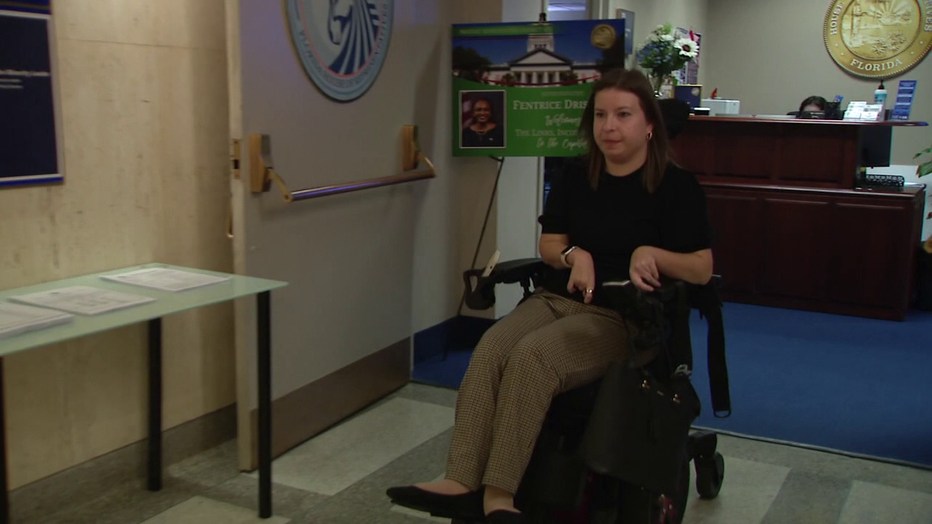
In Goldman's case, she said she faced the loss of her vital iBudget waiver because of a disconnect between the Department of Children and Families (DCF), the Agency for Health Care Administration (AHCA) and the APD.
"The systems do not talk to each other, and the agencies don't talk to each other," Goldman explained.
Goldman said one agency's system was unaware she was on the waiver, requiring hours on hold and multiple successful appeals to correct what she describes as repeated paperwork failures.
Terminations and denials
Researchers at the University of Miami Children and Youth Law Clinic have identified a marked, systemic increase in terminations among those already approved for care, alongside a surge in denials for new applicants.
According to researcher Robert Latham, the state is increasingly denying claims based on minor technicalities and relying on the testimony of state agency experts who have never actually met or evaluated the applicants. In doing so, the professional opinions of the applicants' actual treating psychologists are being routinely discounted, Latham said. The study concluded that Florida uses non-standard, arbitrary and outdated definitions of disabilities to exclude people from eligibility.
Why you should care:
When the state drops previously approved individuals from the iBudget waiver, it threatens their ability to remain active and contributing members of society. Without home-based care to assist with getting out of bed and getting dressed, working citizens like Goldman face the threat of job loss and institutionalization.
Furthermore, the appeals process may offer little hope for those who are wrongfully denied.
According to the University of Miami College of Law’s research, of more than 5,000 recent applicants denied by the state, 100 managed to file an appeal. Of those 100, 98 lost their cases. University of Miami researchers could find no meaningful factual distinction between the two cases that won and the 98 that were rejected.
Unspent funds
"I never got the answers that I thought were appropriate for that," State Rep. Allison Tant said, regarding the hundreds of millions in unspent APD funds.
The state’s tactics
"It's just games, games that the agency is playing with people's lives," State Rep. Kelly Skidmore said. "We'll deny and deny and deny until you get tired of waiting, and you go away."
Threat of institutionalization
"We would be going backwards about 60-plus years for people with disabilities to be back in institutions," Goldman said. "How am I supposed to go to work, be a tax-paying citizen and contribute to society when I don't have these services?"
The Source: This report is the fourth installment of an ongoing investigation into Florida’s disability care system by FOX 13 Political Editor and Chief Investigator Craig Patrick. Information regarding unspent funds is sourced from 2025 state legislative committee hearings and comments from State Reps. Alex Andrade, Allison Tant and Kelly Skidmore. Data regarding claim denials, technical terminations and outdated disability definitions stems from independent research conducted by the University of Miami Children and Youth Law Clinic, presented by Robert Latham. Firsthand accounts of care terminations were provided through direct interviews with affected residents and state support coordinators.