

New COVID variant has been detected in Florida: CDC
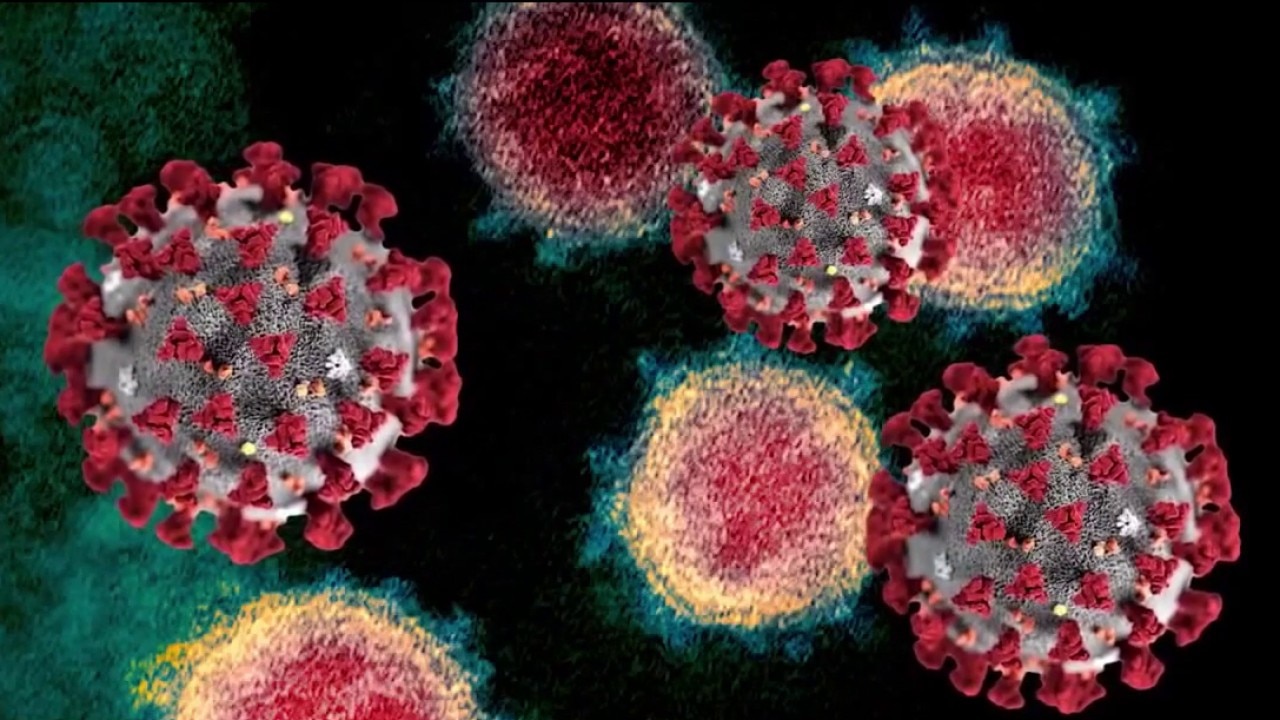
New COVID variant detected in Florida
The "Cicada" variant has been detected in 25 states, including Florida. FOX 13's Jennifer Kveglis brings us up to date on the latest.
TAMPA, Fla. - A newly identified COVID-19 variant is being monitored by federal health agencies after spreading to multiple states, including Florida. While early signs are raising some concern, experts say it’s still too soon to fully understand how significant the strain could become.
What we know:
The new variant, known as BA.3.2 and nicknamed the "Cicada variant," was first detected in South Africa in November 2024. It later appeared in the United States in 2025 and has since been identified in roughly 25 states through wastewater surveillance.
In Florida, only two cases had been reported to the CDC as of mid-February. Experts say that number remains very small compared to overall COVID-19 cases nationwide.

The World Health Organization has classified the variant as "under monitoring," meaning it is being tracked but is not currently considered a major global threat.
What we don't know:
Health experts say it’s still too early to determine how contagious or severe the variant may be.
It’s also unclear whether the mutations seen in BA.3.2 will significantly impact vaccine effectiveness or immunity from prior infections. More data is expected in the coming months.
What they're saying:
Dr. Steven Goldberg, Chief Medical Officer of HealthTrackRX, says the variant is showing some early warning signs.

He notes the strain has multiple mutations that could potentially make it more resistant to existing immunity, though that has not been confirmed.
Goldberg said, "The number affected with this particular variant in the U.S. right now is still very, very small. It's like one in 100 COVID cases are from this particular variant."
Symptoms:
Doctors say symptoms linked to the Cicada variant appear similar to other COVID-19 strains and respiratory infections, including:
- Fever
- Cough
- Sore throat
- Nasal congestion
- Body aches
Big picture view:
The variant is becoming more dominant in parts of Europe, which is drawing attention from U.S. health officials.

Still, experts stress there is no immediate cause for alarm. Instead, they say this is a situation to watch closely as more information becomes available.
Health officials expect to have a clearer understanding of the variant’s spread and impact by early summer.
For now, experts recommend staying vigilant and continuing to follow general public health guidance if needed.
The Source: This article is based on reporting from the Centers for Disease Control and Prevention, the World Health Organization, and an interview with Dr. Steven Goldberg, Chief Medical Officer of HealthTrackRX.