

Artemis II nears historic moon flyby, marking farthest distance humans have traveled from Earth
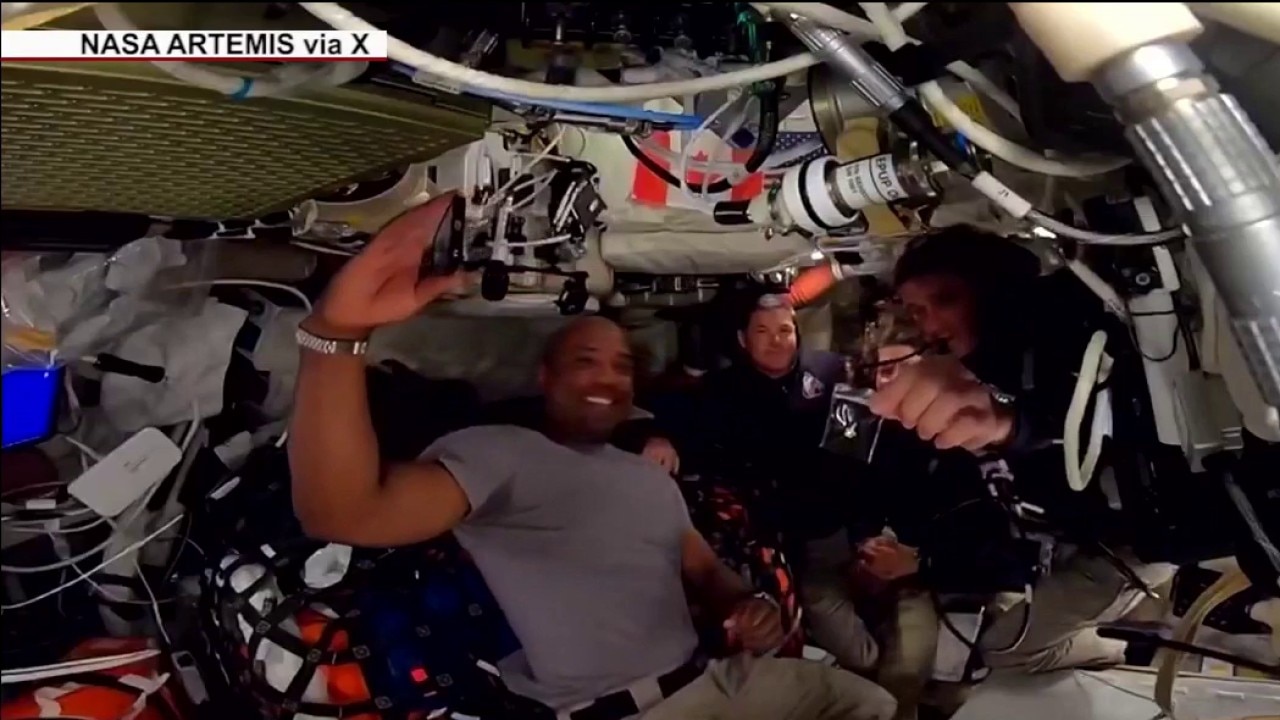
Artemis II to complete historic lunar flyby
Artemis II will swing around the Moon on Monday. FOX 13's Heather Healy reports.
TAMPA, Fla. - NASA’s Artemis II is making very historic strides as it will make its closest approach to the moon Monday afternoon.
What we know:
This will be the farthest humans have ever traveled from Earth. The Orion spacecraft is now in the lunar sphere of influence, meaning the moon's gravity has more pull on the vehicle than the Earth. This sets the stage for the main event: the crew’s flight around the far side of the moon.
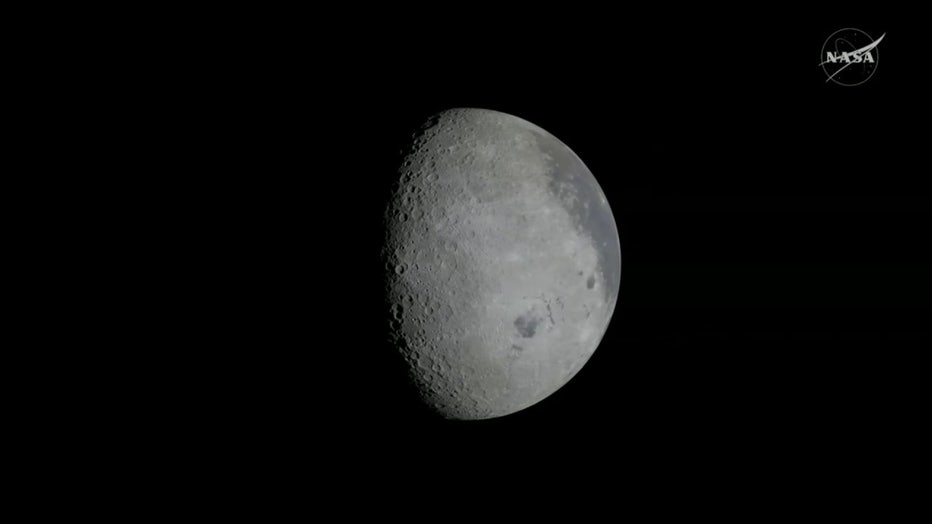
NASA released this video of what the crew will see during their lunar fly-by. The crew will travel around the moon, make a U-turn and then head back to Earth. This is an important day as they will get much closer to the lunar surface. It will zoom about 4,000 miles, or 64-hundred kilometers, above the gray dirt Monday evening during the flyby that will serve to slingshot them back toward Earth. This will be the farthest humans have ever traveled from earth. The pilot for Artemis II, Victor Glover says he and the crew have made some pretty big discoveries already since launching less than a week ago.
MORE: Artemis II live tracker: Astronauts prepare for historic moon flyby
What they're saying:
"We found a feature, you know, the Grand Canyon of the moon is called Orientale Basin, and we were able to see the entire thing," Glover said. "It's already special, the view that we have. And yes, the Earth is quite small, and the moon is definitely getting bigger."
This is the first astronaut mission to the moon since 1972. Liftoff was on Wednesday, April 1, for a 10-day trip around the moon aboard the Orion spacecraft. There are four people on board: three Americans and a Canadian.
Their estimated time of arrival is at 1:45 p.m. on Monday afternoon.
NASA scientists have identified about 35 geological features for the crew to observe. Working in pairs, they will take photos of the sites and describe them in real time to scientists at mission control at the Johnson Space Center in Houston, TX.
The Source: Information for this web article was gathered from articles from NASA, National Public Radio and Space.com