

Countdown to liftoff: How Artemis II builds on Apollo and prepares for the future
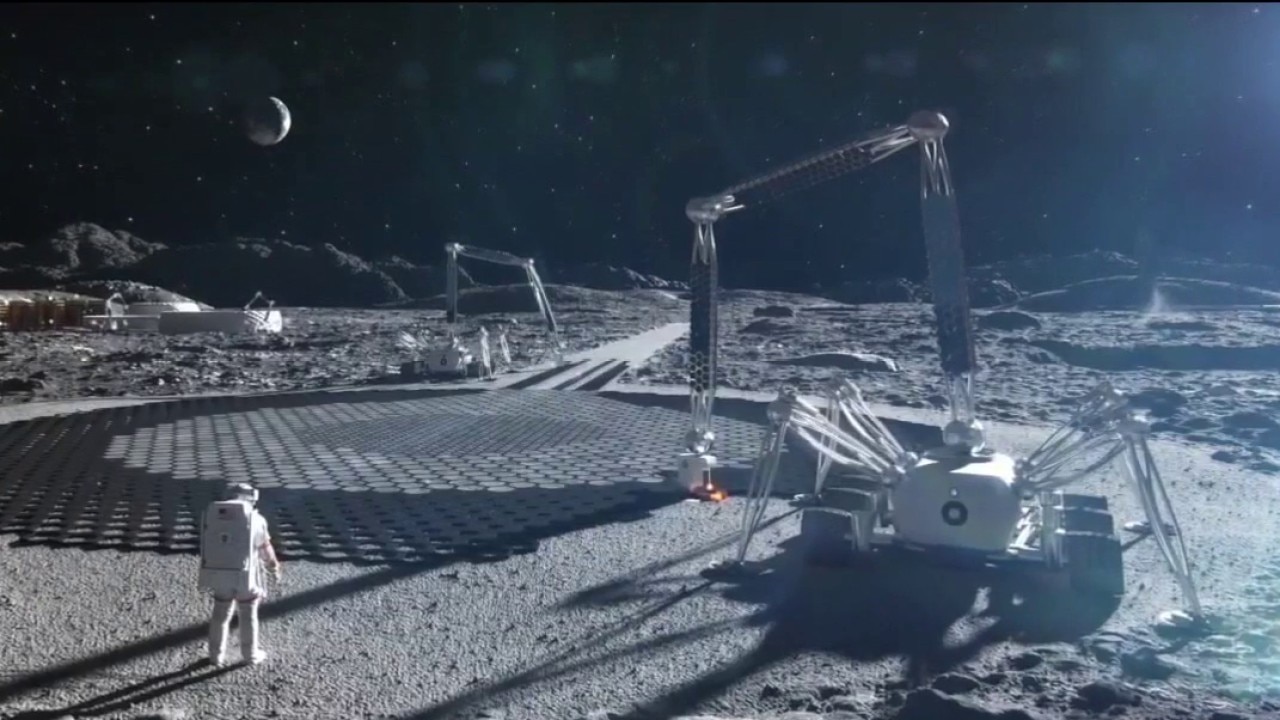
Artemis II prepares for historic deep-space mission
NASA’s Artemis II mission is the first crewed deep-space flight since Apollo 17 in 1972. Its goal: orbit the Moon with a four-person crew to test the Orion spacecraft, the Space Launch System (SLS), and Artemis payloads. FOX 13's Craig Patrick reports.
CAPE CANAVERAL, Fla. - NASA’s Artemis II mission is the first crewed deep-space flight since Apollo 17 in 1972.
Its goal: orbit the Moon with a four-person crew to test the Orion spacecraft, the Space Launch System (SLS), and Artemis payloads.
What we know:
Dr. Phil Metzger, professor at UCF’s Florida Space Institute and director of the Stephen Hawking Center for Microgravity Research, has decades of experience in space science, from Shuttle launches to ISS assembly.
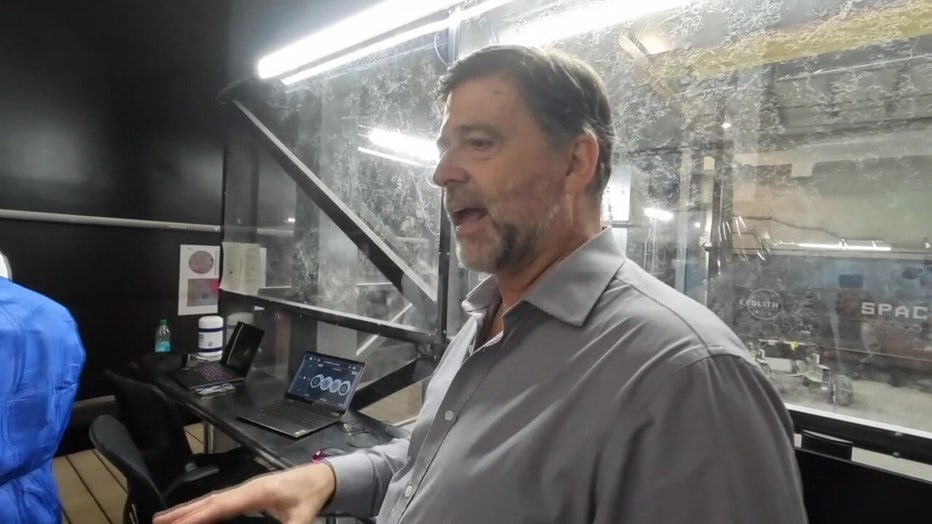
He emphasizes the technical and scientific importance of Artemis II. "What strikes me is I’m proud that America is going back to the Moon again. It’s been too long. This mission isn’t just about flying astronauts; it’s about validating technologies and operations we’ll need for sustained lunar presence."
Dig deeper:
The University of Central Florida has one of the world’s largest high-fidelity lunar simulation facilities.
Dr. Metzger and his team use it to model everything from rocket exhaust interactions with lunar soil to payload deployment strategies.
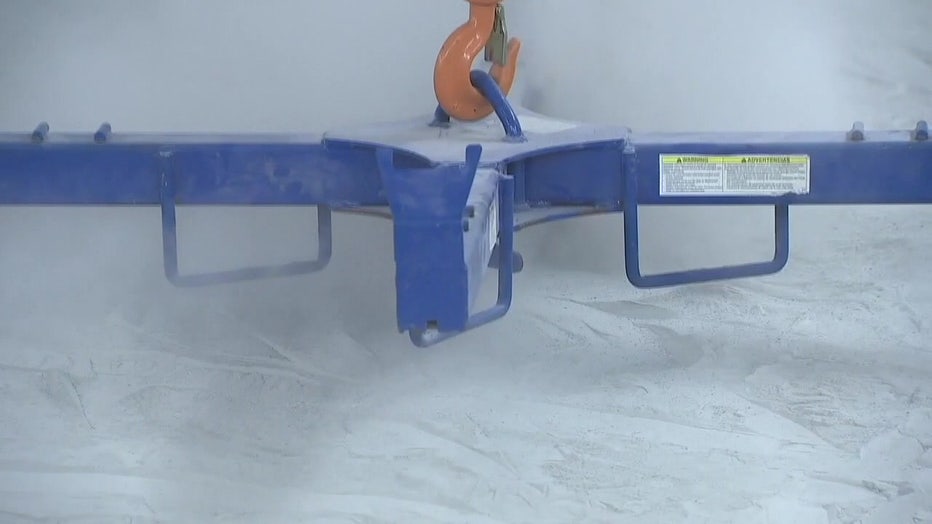
He said, "I was able to show that it will be cheaper to do space missions if we make ice from the Moon, rather than launching rocket fuel from the Earth. That’s a fundamental economic driver for future lunar operations."
Big picture view:
UCF’s research extends beyond cost efficiency.
The team studies how lunar dust behaves when rockets land, a critical factor for both human safety and hardware longevity.
Dr. Metzger explained, "For Artemis III, I’m part of the research team behind a payload mission. Astronauts will deploy a payload on a Moon rover to track how rocket exhaust blows lunar soil. Understanding this now during Artemis II is vital for managing future landings and protecting both humans and machines."
What they're saying:
"After launching into Earth orbit, the crew will perform system checks before doing a translunar injection burn. Lunar gravity captures the spacecraft, swings it around the Moon, and flings it back toward Earth," Dr. Metzger explained.
Astronauts will spend roughly four days in transit, conducting health monitoring and scientific observations.
"They’ll be doing experiments, checking their biological health, and monitoring radiation. Every hour counts," Metzger added.
The backstory:
Artemis II draws on lessons learned from the Apollo missions, Gemini, and Shuttle programs.
UCF and Metzger’s work bridges decades of aerospace research with current mission needs.
"I worked on the Shuttle launch team for about a decade, then on the ISS assembly team," Metzger said. "That experience gives me a perspective on how to make operations safer, cheaper, and more efficient for Artemis."
Why you should care:
Artemis II is more than a Moon mission — it’s a stepping stone toward sustained lunar colonization and eventual Mars exploration.
Dr. Metzger explained the long-term impact. "It’s really crucial for the United States and humanity. Returning to the Moon isn’t just symbolic. It’s laying the groundwork for resource utilization, science breakthroughs, and interplanetary exploration."
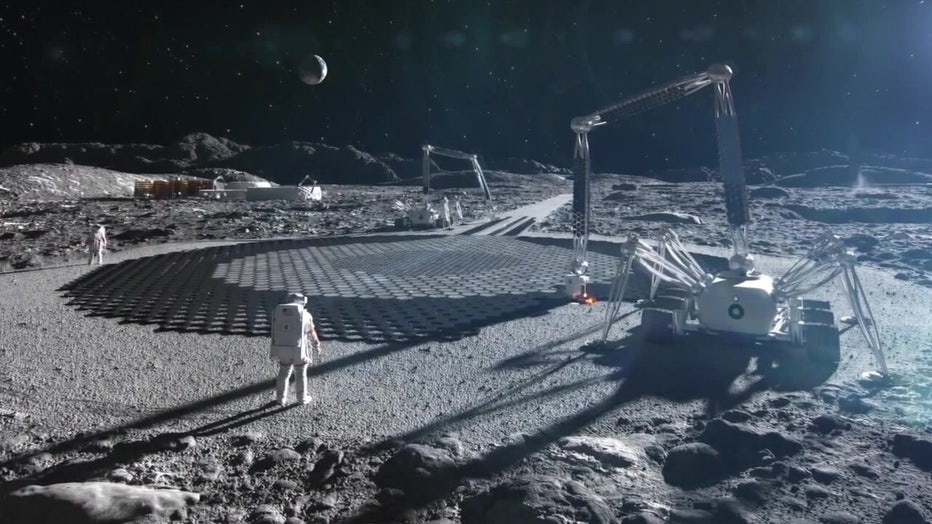
Artemis II is testing technologies critical for sustainable lunar operations. UCF’s research helps ensure astronauts, spacecraft, and payloads are prepared for long-term missions. The knowledge gained may drive fusion energy research, lunar mining, and advancements in AI and quantum computing.
What's next:
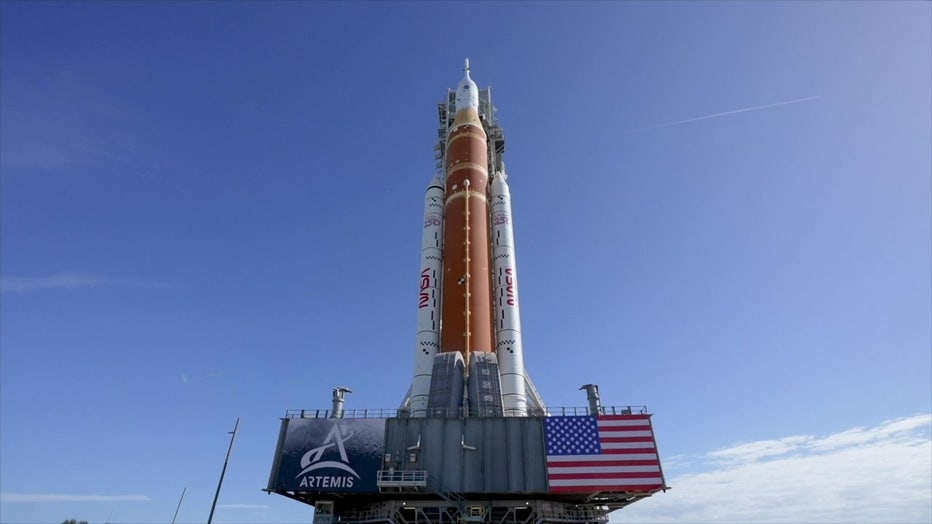
The Artemis II mission will test the integrated SLS rocket and Orion spacecraft:
- Orion Crew Module: Holds four astronauts, more than Apollo’s three-person capsules, and houses critical life-support systems, navigation computers, and radiation shielding.
- European Service Module: Provides power, propulsion, and thermal regulation, highlighting NASA’s international collaboration.
- SLS Rocket: The most powerful rocket ever built, with two solid boosters and a central core stage designed to propel Orion into deep space.
The Source: This reporting is based on interviews with Dr. Phil Metzger (UCF), NASA documentation on Artemis II, Orion, and SLS, and coverage of UCF’s Florida Space Institute simulation facilities. Technical details include verified mission schematics and NASA press briefings.