

Gas prices surge above $4 in Tampa Bay Area as global conflict drives oil costs higher
Gas prices continue to rise in Florida
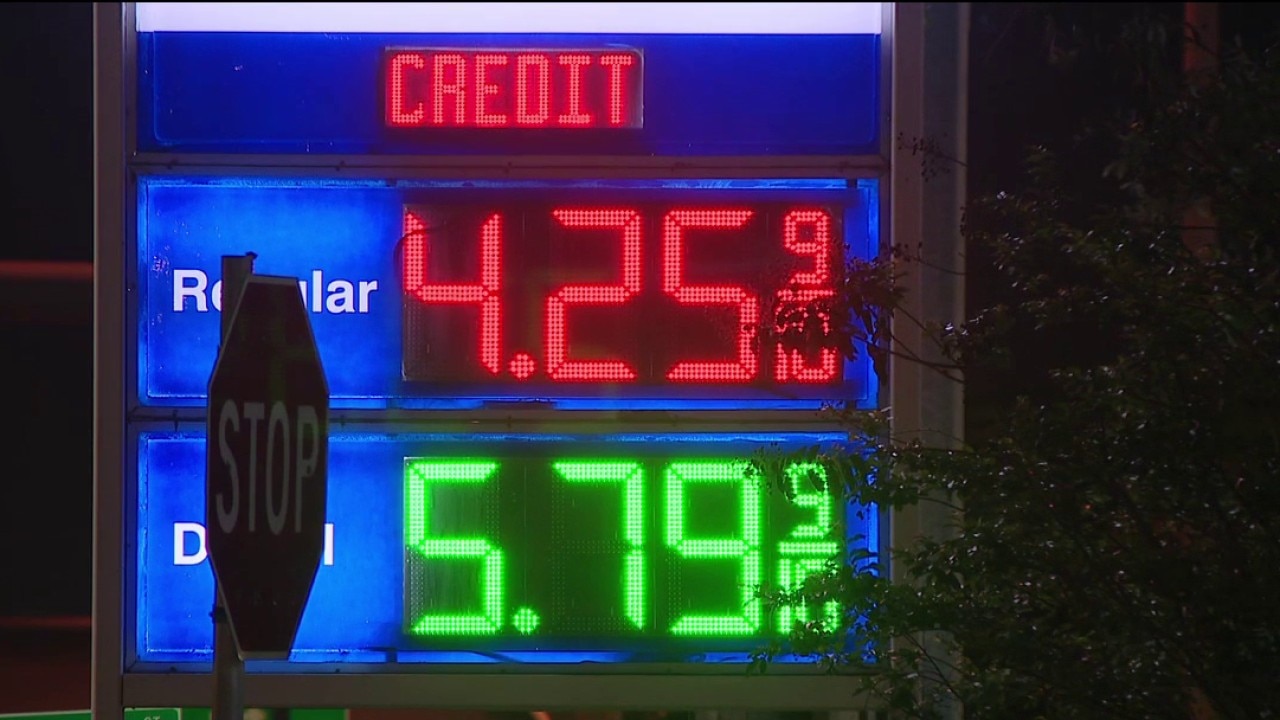
Many local gas stations are pricing gas well over $4 on Tuesday morning. The average price in Florida is $4.12. This is the first time in nearly 4 years that we've seen gas prices this high. FOX 13's Kellie Cowan reports.
TAMPA, Fla. - Drivers across the Tampa Bay Area are seeing a sharp jump at the pump.
The backstory:
The average price for a gallon of regular gasoline is now well above $4. At one local gas station in Tampa prices rose from $3.98 to $4.25 overnight.
That price is also higher than the statewide average, which currently sits at $4.12 per gallon.
According to AAA, Florida drivers are feeling the pressure in Key West and West Palm, where average prices are $4.45 and $4.26 for a gallon of regular, respectively. Meanwhile, the lowest average prices are in the Pensacola area where the current average is $3.69.
Fuel prices have not reached this level in nearly four years.
READ: Iran war latest: US gas prices cross $4 on average
Why are prices rising?
Experts say global tensions are playing a major role in the spike.
Gasoline prices in Tampa have climbed about $1.30 since this time last month, when the conflict involving Iran began. The ongoing choke hold on nearly one-fifth of the global oil supply at the Strait of Hormuz continues to drive oil prices higher.
Fuel analysts warn that without an end to the conflict, prices could continue climbing.
What they're saying:
Mark Jenkins, spokesman for AAA Auto Club, says uncertainty in global markets is pushing costs higher.
"All of these things just create a lot of uncertainty and concern within the oil market. That’s causing oil prices to get more expensive. When oil prices get more expensive, it costs more to buy and sell gasoline."
Why you should care:
Rising fuel prices could soon impact more than just drivers.
Diesel prices are climbing even faster than gasoline, increasing by more than $2 per gallon compared to a month ago.
READ: Tax tips: Bay Area homeowners can claim Hurricane Helene and Milton losses without 10% rule
That matters because diesel fuels the trucks that transport goods across the country. As freight costs increase, businesses often pass those expenses on to consumers.
The result could be higher prices on everyday items as supply chain costs rise.
Big picture view:
If the conflict continues and oil supply remains restricted, experts warn drivers and consumers could see additional price increases in the weeks ahead.
The Source: Information for this story comes from on-scene observations of gas prices, statewide averages, fuel market data, and an interview with AAA Auto Club spokesman Mark Jenkins.