

Artemis II's economic impact on Florida, behind the scenes at Honeywell's Clearwater facility
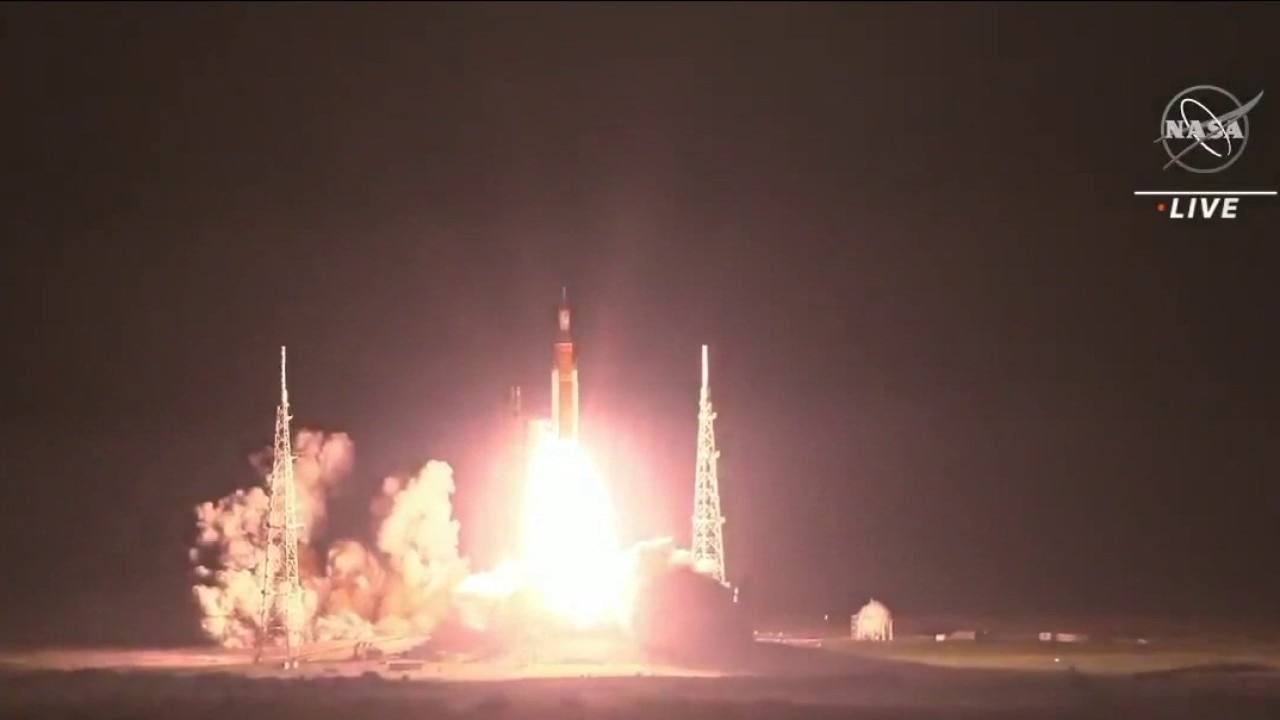
Artemis II's economic impact
NASA’s Artemis II mission is the first crewed deep-space flight since Apollo 17 in 1972. While the astronauts orbit the Moon, much of the technology enabling the mission is being built in Central Florida — notably at Honeywell’s Clearwater facility. FOX 13's Craig Patrick reports.
CAPE CANAVERAL, Fla. - NASA’s Artemis II mission is the first crewed deep-space flight since Apollo 17 in 1972. While the astronauts orbit the Moon, much of the technology enabling the mission is being built in Central Florida — notably at Honeywell’s Clearwater facility.
Honeywell’s legacy in space engineering
Honeywell has been a cornerstone of American aerospace for decades. The company first supported the Mercury missions, providing navigation and environmental control systems.
During Gemini, Honeywell supplied critical electronics and control systems. For Apollo, they delivered cockpit instruments and life-support systems. Their contributions continued through the Space Shuttle, the International Space Station and now the Artemis missions.
Courtesy: Honeywell
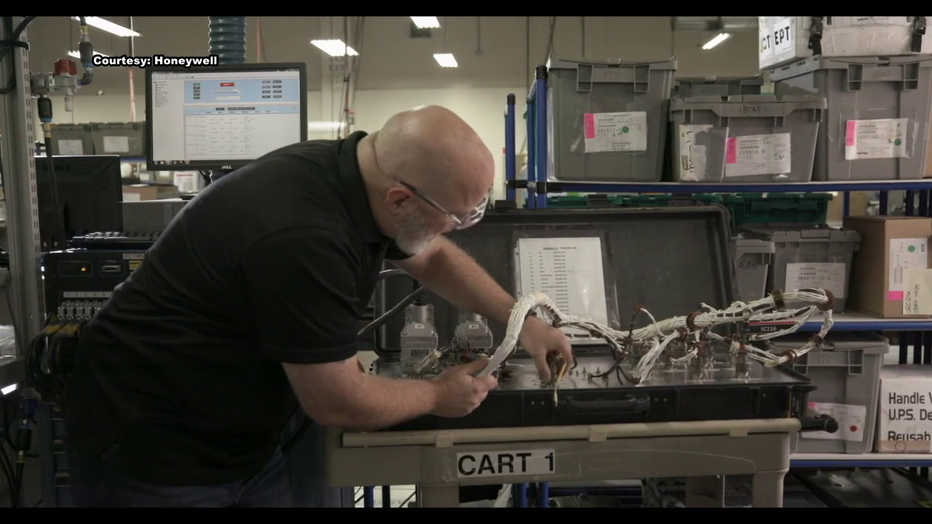
Kendall Bjorge, senior program director at Honeywell, has decades of experience in space engineering.
"We’ve been here since the ’50s. We’ve been on every manned mission. Our work spans Mercury, Gemini, Apollo, the Space Shuttle, ISS and now Artemis. It’s been an incredible journey," Bjorge said.
Bjorge oversees development of the Orion spacecraft’s most critical systems, including navigation, vehicle management computers and cockpit interfaces. He emphasizes Honeywell’s attention to detail and commitment to astronaut safety.
"There’s the crew. The crew’s here. We take very seriously that there are human lives involved. Every display, every hand controller, every switch is built with that in mind," Bjorge said.
Technical Highlights of Honeywell’s Contributions
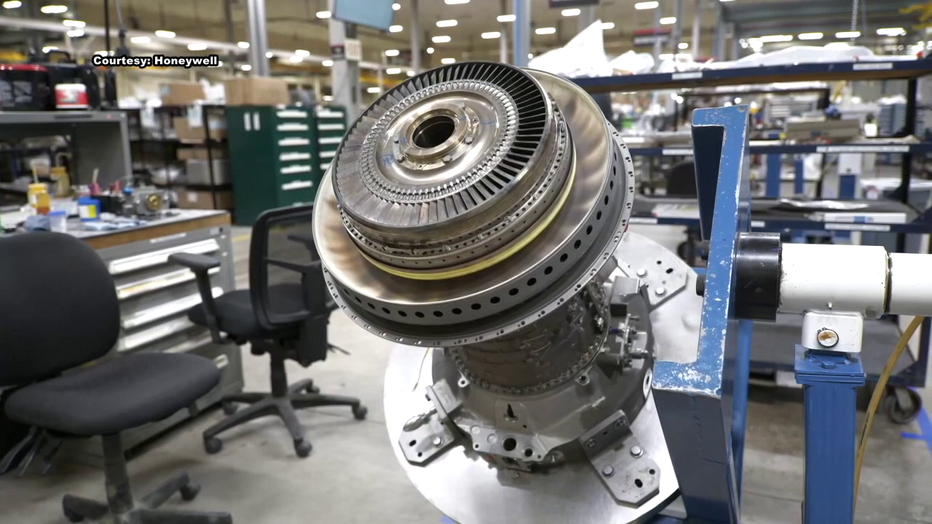
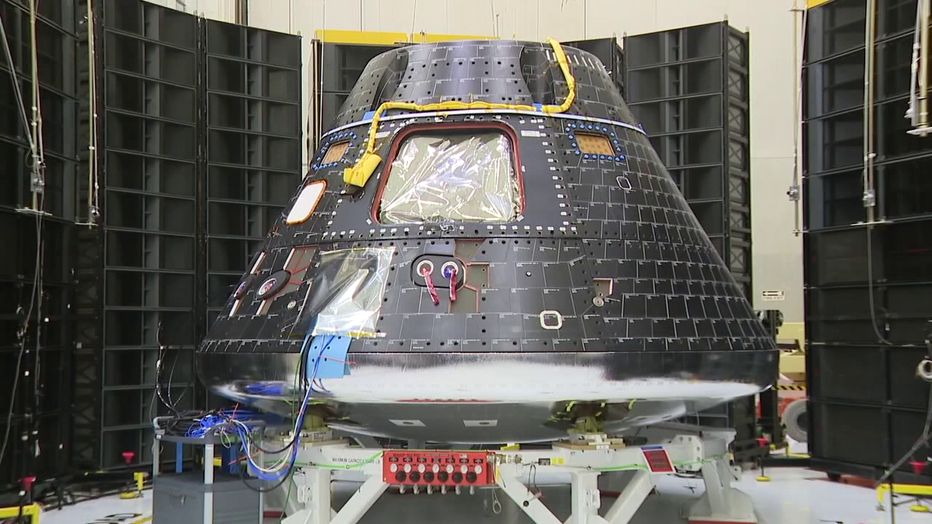
Honeywell engineers in Clearwater are responsible for designing, building and testing components for the SLS rocket and Orion capsule. Among them:
- Main engine controller for RS-25 Rocket: Coordinates thrust and safety parameters for the SLS.
- Vehicle management computers: Two per Orion capsule, handling onboard communication and telemetry to Earth.
- Navigation systems: Triple-redundant units ensuring Orion follows its lunar trajectory with precision.
- Cockpit panels and hand controllers: Designed to prevent accidental activation and allow precise control during docking and maneuvers.
Courtesy: Honeywell
"We started the Orion program here in Clearwater in 2006. Every piece of hardware — from cockpit displays to navigation boxes — is built, tested and delivered here. We’re 85% complete with Artemis IV hardware already, and we’re building hardware through Artemis IX," Bjorge said.
Local perspective:
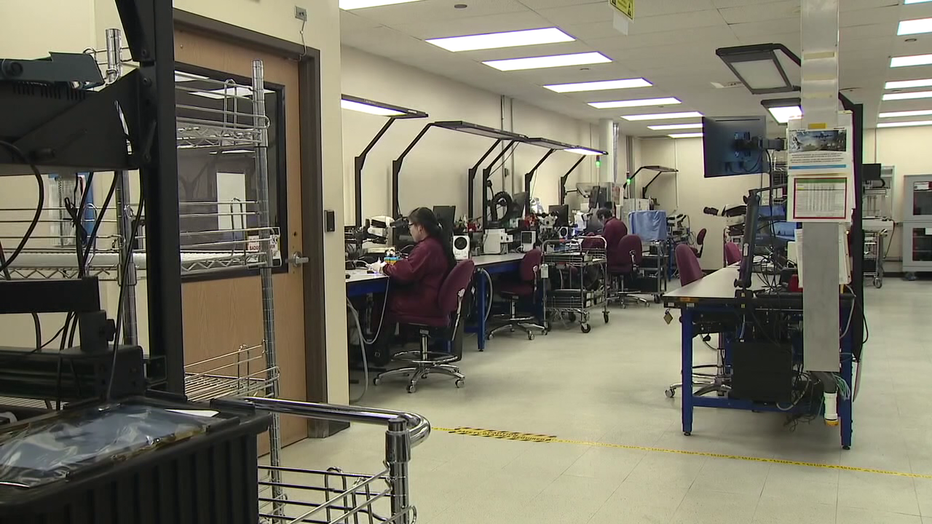
The Clearwater complex employs 2,500 people, ranging from Ph.D.-level aerospace engineers to high school graduates skilled in hardware assembly. Bjorge underscores the diverse talent.
"We have everything from classic rocket scientists with Ph.D.s to high school grads and GED holders working on this program. Some of them do precision soldering on circuit boards that go directly into critical spacecraft systems," Bjorge said.
Local suppliers and machinists also contribute to the Artemis program.
Courtesy: Honeywell
"We’ll send the print for this plate up to Oldsmar, and they’ll fasten it together," Bjorge said. "It’s a full ecosystem of local businesses supporting space exploration."
Dr. Phil Metzger adds that Central Florida’s aerospace cluster strengthens the U.S. space program.
"Having these capabilities here — the talent, the factories, the logistical infrastructure — it’s what allows us to think bigger, faster and safer about lunar missions and beyond," Metzger said.
Big picture view:
Honeywell’s work goes beyond Artemis II. The systems they’re developing will support permanent lunar habitats, robotic mining operations and eventual Mars missions.
Courtesy: Honeywell
"We’ll have multiple outposts. We’ll have people living on the Moon full-time. And in the next 30 years, I expect humans will set foot on Mars. Our work here is foundational for that future," Bjorge said.
Why you should care:
- Artemis II’s success depends on a combination of cutting-edge technology and skilled human labor — much of it coming from Central Florida.
- Honeywell’s decades of experience ensure the spacecraft systems are reliable, safe and ready for future deep-space missions.
- The economic impact of spaceflight extends beyond NASA, supporting thousands of local jobs and hundreds of businesses.
The Source: Reporting is based on interviews with Dr. Phil Metzger (UCF), Kendall Bjorge (Honeywell), and on-site coverage of the Clearwater Honeywell facility. Technical details are drawn from NASA documentation on Orion, Artemis hardware, and the SLS rocket.