

Artemis II makes history with far side moon flyby: 'We saw sites that no human has ever seen before'
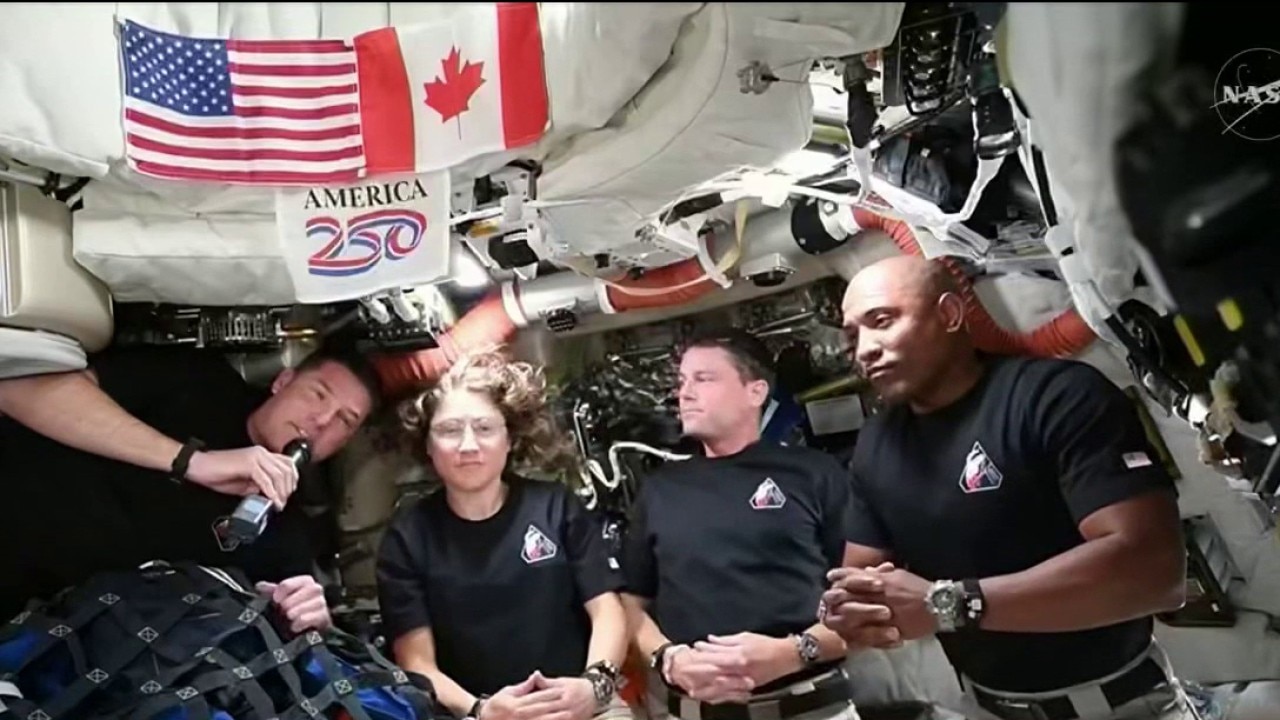
Artemis II makes history with moon flyby
Artemis II astronauts traveled about 252,000 miles from Earth during a historic lunar flyby. FOX 13's Blake Devine Reports.
TAMPA, Fla. - The Artemis II crew has made history, traveling farther into space than any humans in more than 50 years.
The mission marks a major milestone as NASA pushes deeper into space.
What we know:
The crew traveled roughly 252,000 miles from Earth during a lunar flyby on the far side of the moon.
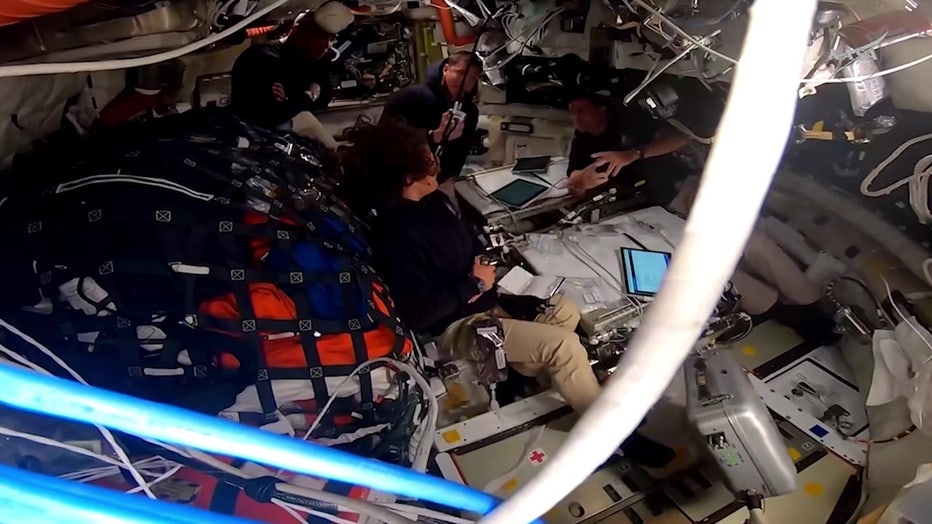
Courtesy: NASA
For more than 40 minutes, astronauts were out of contact with Earth as the moon blocked radio signals.
Local perspective:
Inside MOSI’s massive planetarium, Maxwell Green has spent more than 20 years helping bring space closer to home.
As a space education specialist, he leads programs that inspire young audiences.
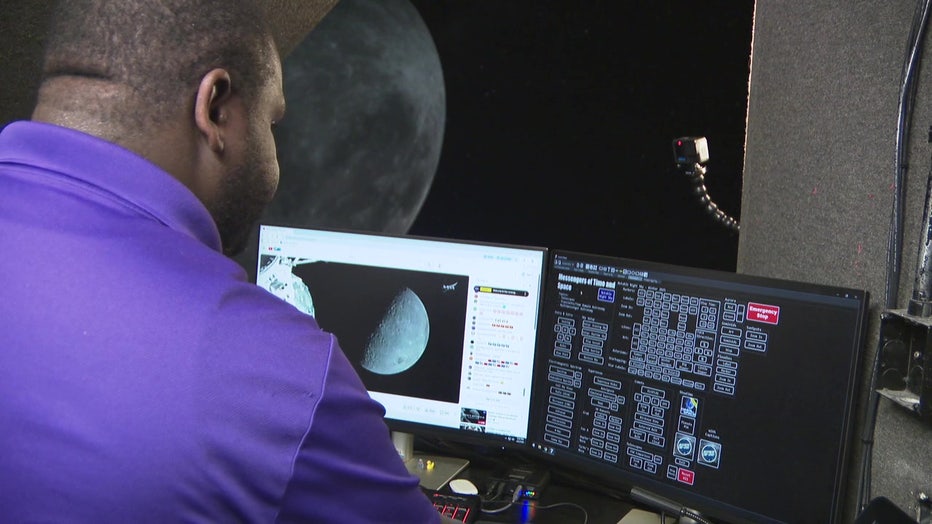
"It’s always so exciting to see the look on young people’s faces as they’re thinking of becoming the next generation of astronauts," Green said.
Green said he was "over the moon" as the Artemis II crew traveled where no humans had gone before.
Big picture view:
The crew flew along the far side of the moon, capturing new views of the lunar surface.
"You get a communication blackout as the moon’s massive rocky body simply blocks the signals for around 40 minutes," Green said.
The crew also witnessed a total solar eclipse during the mission. NASA officials say the mission helps prepare for future deep space travel.
What they're saying:
Artemis II astronaut Jeremy Hansen reflected on the significance of the mission. He said the moment is meant to inspire future generations.
"We will continue our journey further into space until Mother Earth pulls us back. But we choose this moment to challenge this generation and the next that this record is not long-lived," Hansen said.
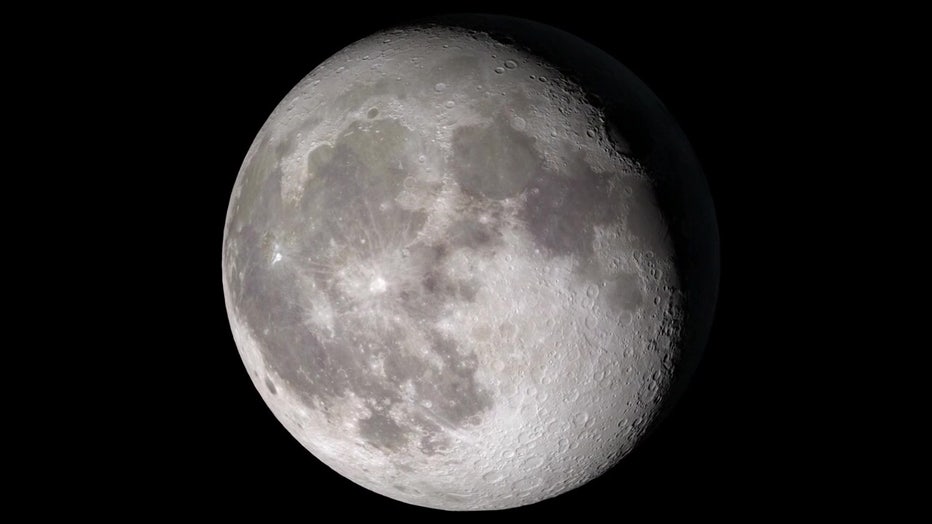
Courtesy: NASA
Astronaut Reid Wiseman described what the crew saw while capturing images of the moon’s surface.
"We saw sites that no human had ever seen before, not even in Apollo, and that was amazing for us," he explained. "The surprise of the day was we just came out of an eclipse where we came out, and the entire dark moon was that big right out the window."
Why you should care:
Back on Earth, Green said the mission will provide valuable data for future exploration. He said researchers will study how the human body responds to deep space travel.
"We’ll be gathering data on the stresses of this distance on the human body. Particularly for a length of time, because it is about a 9 or 10 day journey before they splash down," Green said.
This mission is a key step toward returning astronauts to the moon for the first time since the Apollo era. It also lays the groundwork for future missions that could eventually send humans to Mars.
What's next:
The mission now moves into its next phase as the crew heads back toward Earth.
The Orion spacecraft is expected to splash down Friday night off the coast of San Diego.
The Source: Information for this story came from statements from NASA, interviews with a MOSI space education specialist and Artemis II astronauts.