

Florida disability care crisis: Families face hidden costs and years-long delays: 'Nobody will help us'
Waiting for Help: Stuck on a waitlist for care
Thousands of Florida children with severe behavioral and physical disabilities are either stuck on state waitlists or fail to meet qualification criteria for in-home care. FOX 13's Craig Patrick investigates.
FORT MYERS, Fla. - Florida's Agency for Persons with Disabilities (APD) offers home-based services designed to keep individuals with disabilities out of state facilities, an approach intended to save taxpayer money associated with high institutionalization costs.
The backstory:
However, systemic challenges have created a two-tiered crisis.
First, more than 16,000 individuals with developmental disabilities who qualify for care have been waiting in a multi-year backlog.
Second, the state utilizes definitions and assessment processes that frequently disqualify individuals who are verbal or can perform basic life tasks, regardless of significant needs for care.
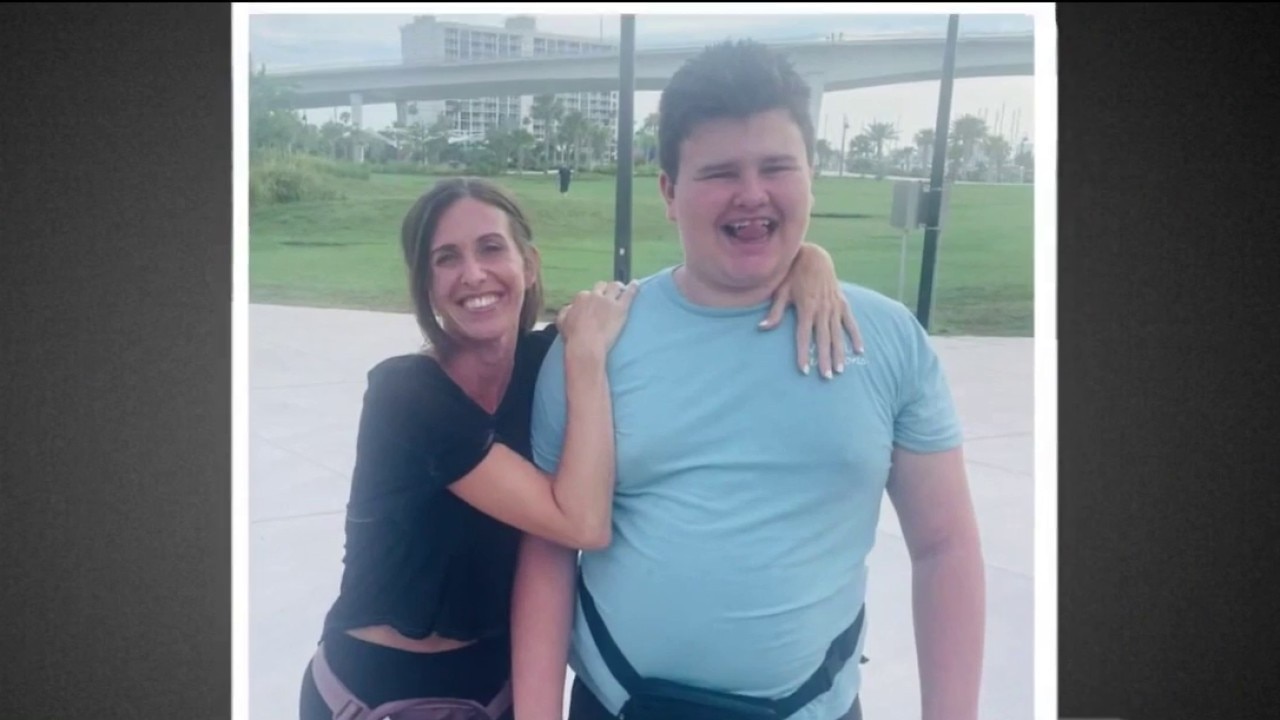
The lack of state support often creates steeply challenging living conditions. Fort Myers resident Liz Goodman is the sole caretaker for her two boys, including her oldest son, Logan, who has autism, severe ADHD and oppositional defiant disorder.
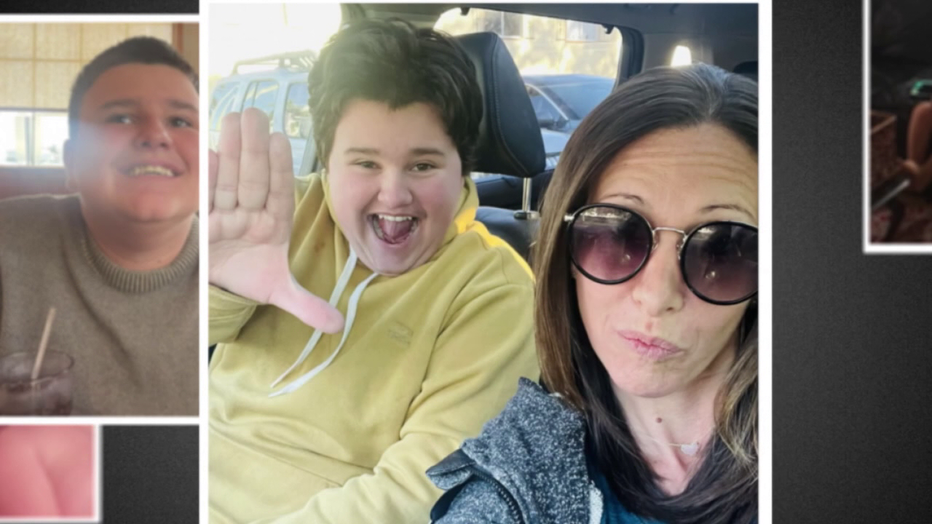
Goodman said Logan's behavioral challenges are severe and constant. He is unresponsive to medication and frequently goes two days without sleep, forcing Goodman to do the same.
Logan can be a flight risk with unpredictable behavior and a lack of social awareness. Goodman recalled instances where he was found in a canal, and another where he was found zip-tied and covered in mud after being non-compliant with law enforcement.
Despite these daily dangers, Logan does not qualify for APD support because he is verbal and capable of basic tasks, leaving the family without state assistance.
Dig deeper:
The structural issues surrounding Florida's disability care system are not new.
FOX 13 Chief Investigator Craig Patrick has been investigating the APD's systemic waitlist problems and care gaps for more than 20 years. Over two decades, the backlog of eligible residents has persisted, and the criteria for receiving care have continued to exclude families managing significant disabilities.
Why you should care:
When state-provided, home-based services are unavailable, the responsibility remains entirely with caregivers — many of whom are managing their own crises.
Goodman, for example, battles a rare, complex medical condition that causes her to go into shock and collapse. She notes a relative with the same condition was referred to hospice care at age 39 due to systematic organ failure.
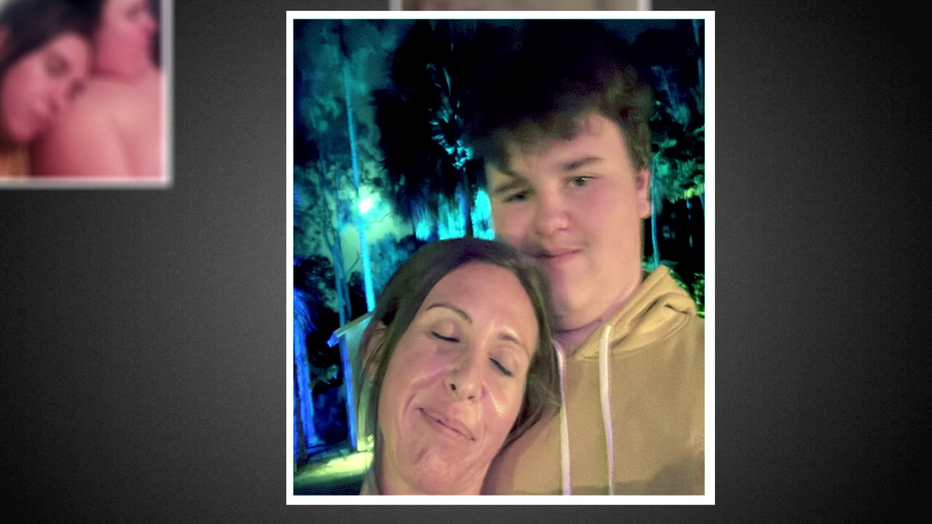
If caregivers like Goodman become incapacitated or pass away, individuals with disabilities will likely require placement in state-funded institutions, shifting an immense operational and financial burden onto the public system.
What they're saying:
- On the cycle of exhaustion: When asked how long she can maintain her current caregiving schedule, Goodman said: "Apparently, about every 30 days till I crash and get hospitalized. It's either that or we end up homeless."
- On qualification criteria: "He [Logan] is verbal, he can perform basic life tasks. No support," Goodman said. "Puts him at more risk because he's in a middle place that nobody will help us."
- On the ultimate outcome: "He will end up institutionalized if I die," Goodman said.
By the numbers:
- 16,000+: The number of eligible Floridians in the APD backlog awaiting developmental disability services as of early 2026.
- 30 to 40: The estimated number of times Liz Goodman has been hospitalized in the last three years while balancing her health condition and caregiving duties.
- 2: The number of consecutive days Logan frequently goes without sleep.
- 20: The number of years this issue has been actively investigated by FOX 13.
What's next:
The next segment of this ongoing investigation will shift focus to the families who do meet the state's strict eligibility criteria but remain unassisted due to the backlog. Additionally, the investigation will examine state funds that were originally intended to reduce the waitlist but have gone unspent.
The Source: This report is based on an ongoing 20-year investigation into Florida’s disability care system and APD backlogs by FOX 13 Chief Investigator Craig Patrick. The information is sourced from primary reporting, including direct on-camera interviews, personal accounts provided by the families involved and on-the-ground observation of Liz and Logan Goodman navigating public spaces. Waitlist and funding statistics are sourced from state data.