

Florida law allowing pregnant women to use disabled parking faces expanded lawsuit
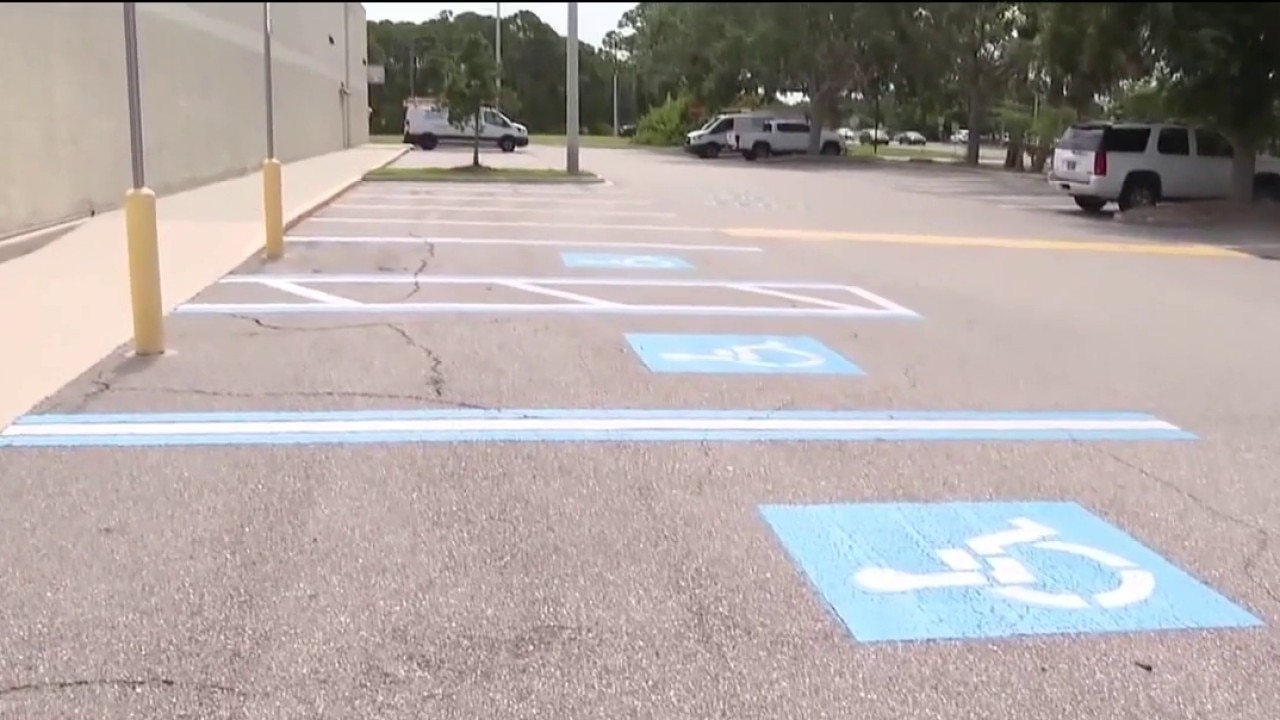
Legal fight over pregnancy parking permits
A legal challenge to a new Florida law allowing pregnant women to use disabled parking spaces is growing, as disability rights advocates filed an expanded complaint this week. FOX 13's Aaron Mesmer reports.
TALLAHASSEE, Fla. - A legal challenge to a new Florida law allowing pregnant women to use disabled parking spaces is growing, as disability rights advocates filed an expanded complaint this week.
The backstory:
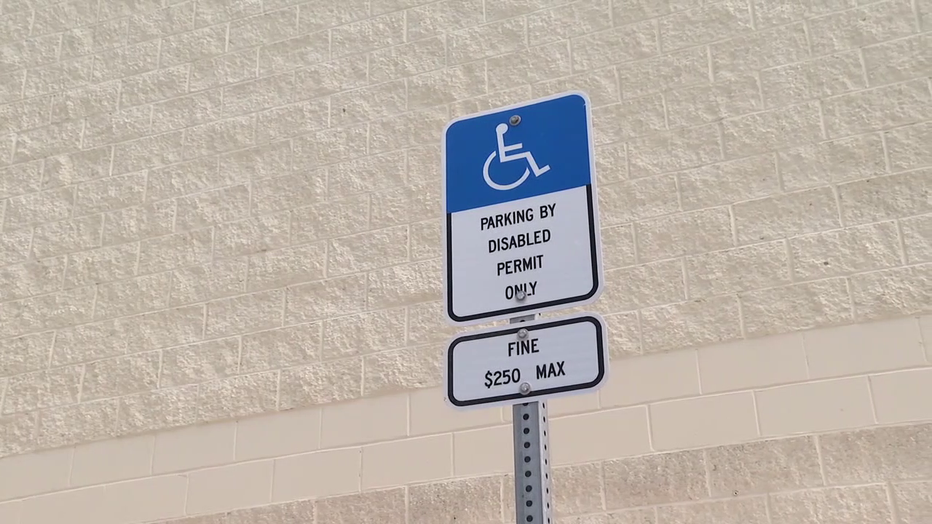
The law, passed last year, allows expectant mothers to obtain temporary disabled parking permits. Supporters say it offers relief to women experiencing mobility challenges during pregnancy, especially in Florida’s heat.
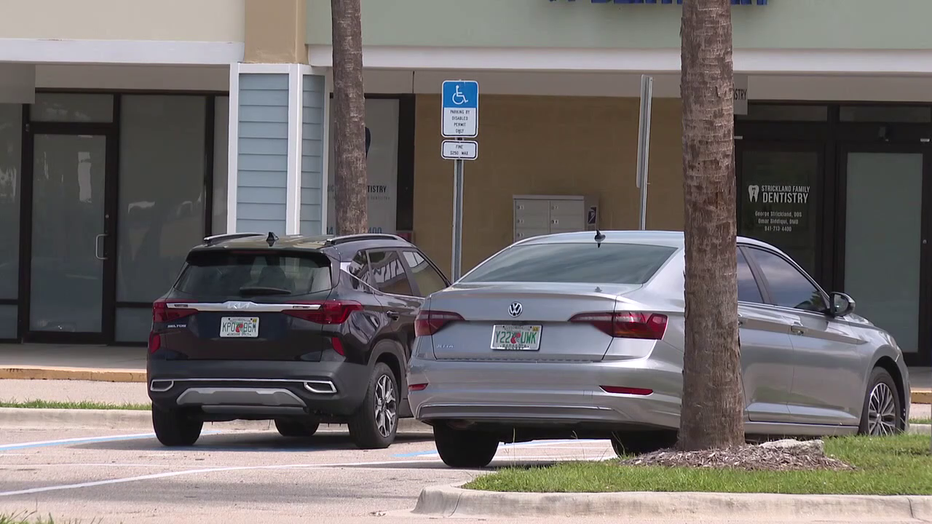
State Rep. Fiona McFarland, R-Sarasota, who proposed the measure, said in October her own experience inspired the effort.
"My fourth baby was due in September, and I was so hot in the Florida summer, and my mobility really was restricted," McFarland said. "I just wanted to help out moms."
The lawsuit argues the law conflicts with the Americans with Disabilities Act by allowing people without qualifying disabilities to use spaces reserved under federal law.
The United Spinal Association is among the groups challenging the measure. Advocates say there are already not enough accessible parking spots to meet demand.
What they're saying:
"We already know that there aren't enough ADA parking spaces," Steve Liberman with the United Spinal Association, said. "Allowing folks who are not covered by [the] ADA to park in ADA parking spaces just exacerbates the existing problems."
Plaintiffs say the state has issued thousands of temporary permits to pregnant women who do not otherwise qualify as disabled, taking up spaces meant for people with disabilities.
Big picture view:
Disability advocates warn the law is making it harder for those who rely on accessible parking to find available spaces.
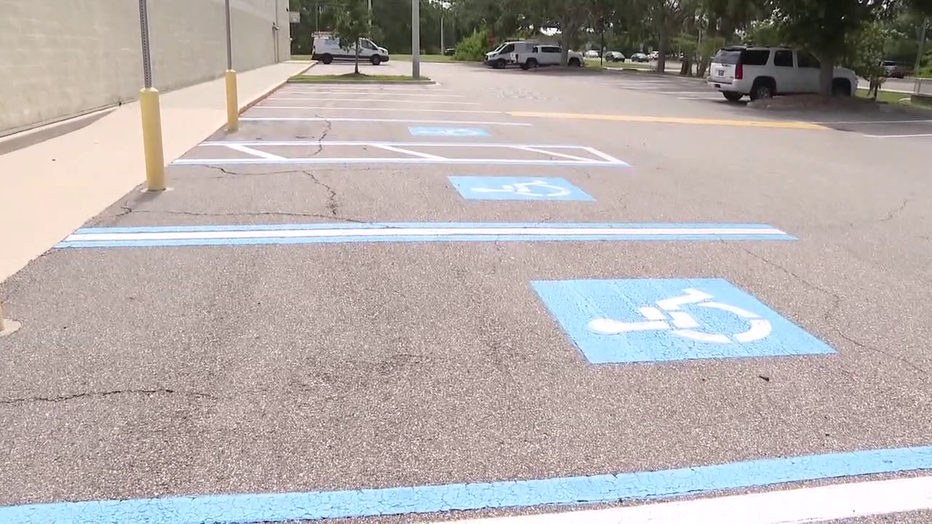
"Everybody should have the parking that they need, but we already have a shortage for disabled people," Claudia Center with the Disability Rights Education and Defense Fund said. "I think it's great to require pregnancy parking, but it has to be separate. It can't be the same spots."
Federal guidelines require parking lots to designate 2 to 4% of spaces for disabled parking. Advocates say that is already insufficient, especially in Florida, where as many as 20% of drivers have disabled permits.
The other side:
McFarland previously acknowledged concerns about protecting access for people with disabilities.
"I don't want to take away from handicapped people who truly have a true physical limit in their mobility," McFarland said. "I just wanted to be able to park in a convenient location when I was really uncomfortable at late stages of my pregnancy."
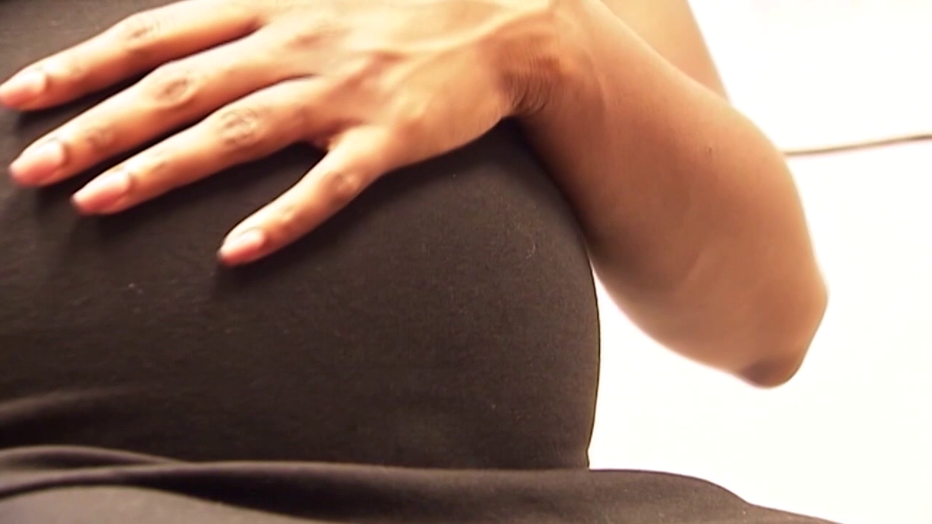
McFarland did not respond to requests for comment on the latest legal challenge.
What's next:
The lawsuit asks a judge to block the law and invalidate all temporary permits issued under it. It’s unclear when the case will go before a judge.
Advocates suggest a compromise could include creating separate parking accommodations for pregnant women that do not conflict with ADA-designated spaces.
The Source: Information in this story comes from court filings, interviews with disability rights advocates and prior statements from a state representative.