

Florida sex offender law: Swimming pool rules spark debate
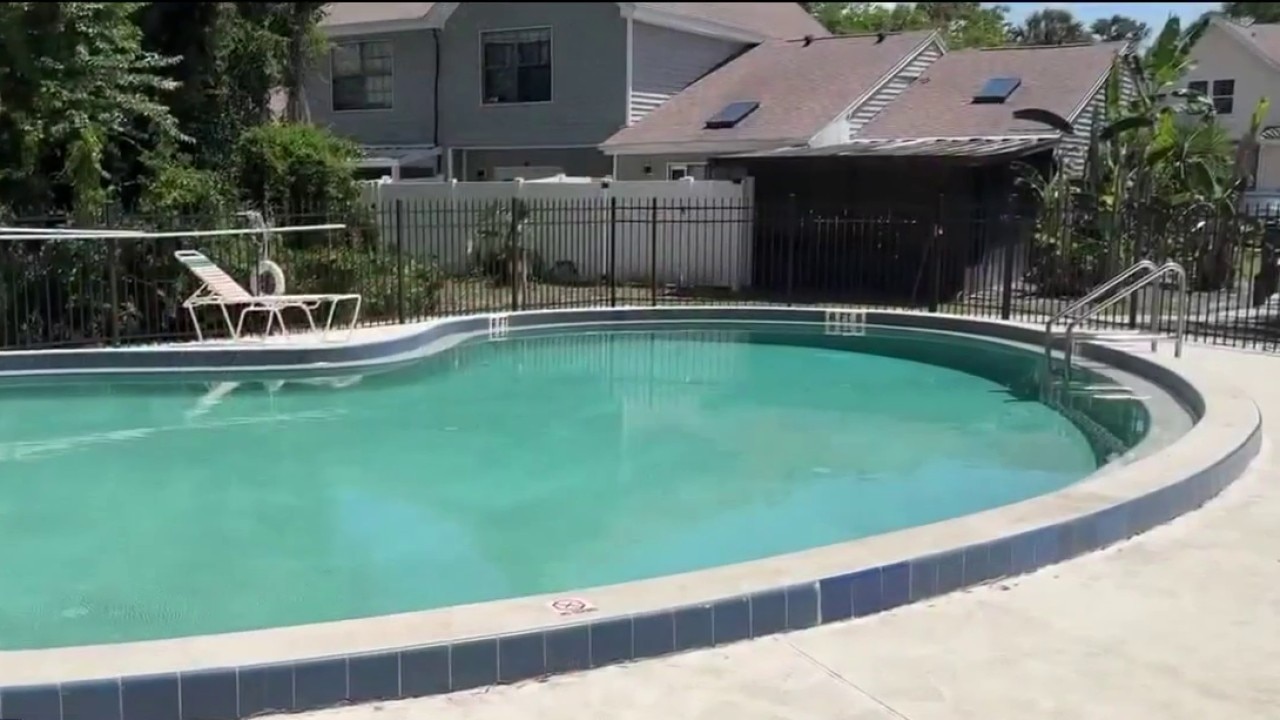
New Florida sex offender law
A controversial new housing restriction went into effect across Florida, prohibiting specific sex offenders from residing within 1,000 feet of public swimming pools and splash pads. FOX 13's Craig Patrick reports.
TALLAHASSEE, Fla. - A controversial new housing restriction went into effect across Florida, prohibiting specific sex offenders from residing within 1,000 feet of public swimming pools and splash pads.
New Florida restriction details
What we know:
Florida law already banned sex offenders from living within 1,000 feet of schools, parks, and playgrounds. The latest restriction extends that 1,000-foot exclusionary zone to include public swimming pools and splash pads.
The primary House sponsor, State Rep. Rachel Plakon (R-Seminole), stressed that the new law targets specific offenses. As written, it applies to offenders who have committed crimes against a minor. This can include repeat sexual predators as well as individuals convicted of a single offense.
The new law was driven by Seminole County Sheriff Dennis Lemma, who experienced a legal setback when trying to prevent a sex offender from living near a pool. A court ruled at the time that a swimming pool did not qualify as an outdoor area for recreation and play, prompting Lemma to lobby lawmakers for the change.
Historical child murder cases
The backstory:
Florida has a history of enacting some of the nation’s strictest laws regarding sex offenders, driven heavily by two high-profile child murders more than 20 years ago. In 2004, 11-year-old Carlie Brucia was kidnapped, sexually assaulted, and killed in Sarasota.
The following year, 9-year-old Jessica Lunsford was kidnapped, raped, and murdered in Homosassa by known sex offender John Couey — who lived directly across the street from her.
These cases helped prompt reform and a progressive expansion of restrictions for convicted offenders in the state.
Housing options severely limited
The other side:
While the bill passed with overwhelming support, a vocal minority of critics — including a handful of state lawmakers, the libertarian Reason Foundation, and some child victim advocates — warn the legislation could backfire and undermine public safety.
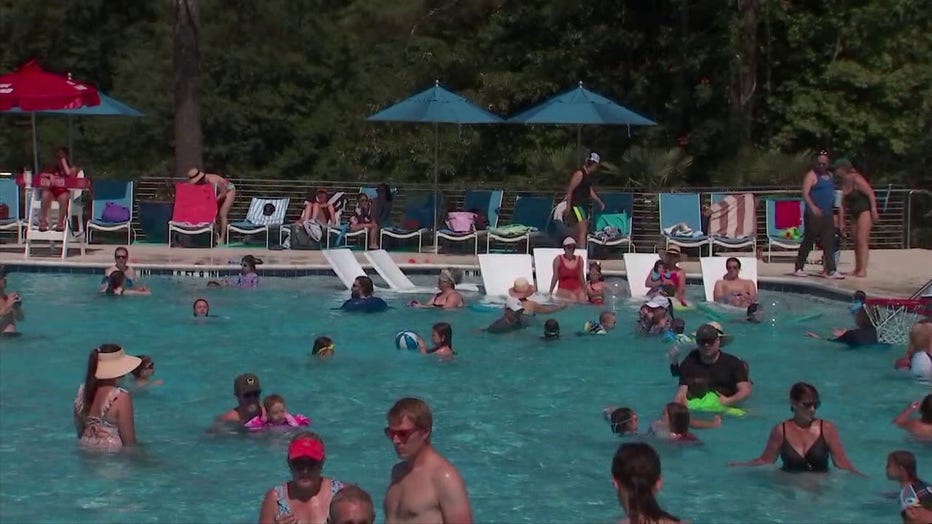
Because swimming pools are prevalent in Florida subdivisions, apartment complexes, and mobile home communities, critics argue the law will severely limit compliant housing options.
A legislative staff analysis noted the restriction may increase the number of homeless sex offenders, which could result in offenders absconding or failing to register an address.
Critics argue that driving offenders "off the map" makes it harder for law enforcement to monitor them.
Lawmakers and advocates clash
What they're saying:
Supporters of the legislation argue the extension is a logical step for protecting children. Seminole County Sheriff Dennis Lemma said, "If it applies well to a park and playground, well, how in the world could it not apply to a public splash pad or pool? ... Actually, I think the sexual offenders should be grateful for this clarity because it will reduce any temptations."
Rep. Doug Bankson noted, "Statistically, nearly every minute, someone is sexually assaulted. Every nine minutes, that someone is a child."
Rep. Rachel Plakon added, "This only applies to severe sex offenders who have committed crimes against children."
Critics express severe concern over the real-world impact of the law. House Minority Leader Fentrice Driskell said, "Any time that I see that the staff is contradicting what the bill sponsor is trying to do, my antennae go up. ... The fact the legislature passed this bill even knowing that there were these concerns should be a red flag to everybody."
Hanna Liebman Dershowitz of the Reason Foundation stated, "Making it harder for them to get housing is really the opposite of a public safety strategy. It will undermine public safety. You can't monitor people if they're effectively off the map."
Child victim advocate and sex crime survivor Gretchen Casey noted, "Generally, people don't commit crimes of a sexual nature in public areas, okay. They do it where there is less likely to be, perhaps, a witness."
Data breakdown
By the numbers:
- 103 to 9: The vote breakdown in the Florida House, with 103 lawmakers voting in favor of the bill and nine voting against it.
- 1,000 feet: The mandatory distance offenders convicted of crimes against minors must maintain between their home and a public pool or splash pad.
- 5% to 24%: The range of recidivism rates for sex offenders cited in the legislative analysis, which reaches 5% after three years and rises to 24% after 15 years.
The Source: The information in this story was gathered from official Florida legislative staff analyses, which detailed the bill's potential impact on housing and recidivism rates, as well as floor debate statements and direct interviews with lawmakers, law enforcement officials and victim advocates.