

GLP-1 use surges among young children
GLP-1 use among children on the rise
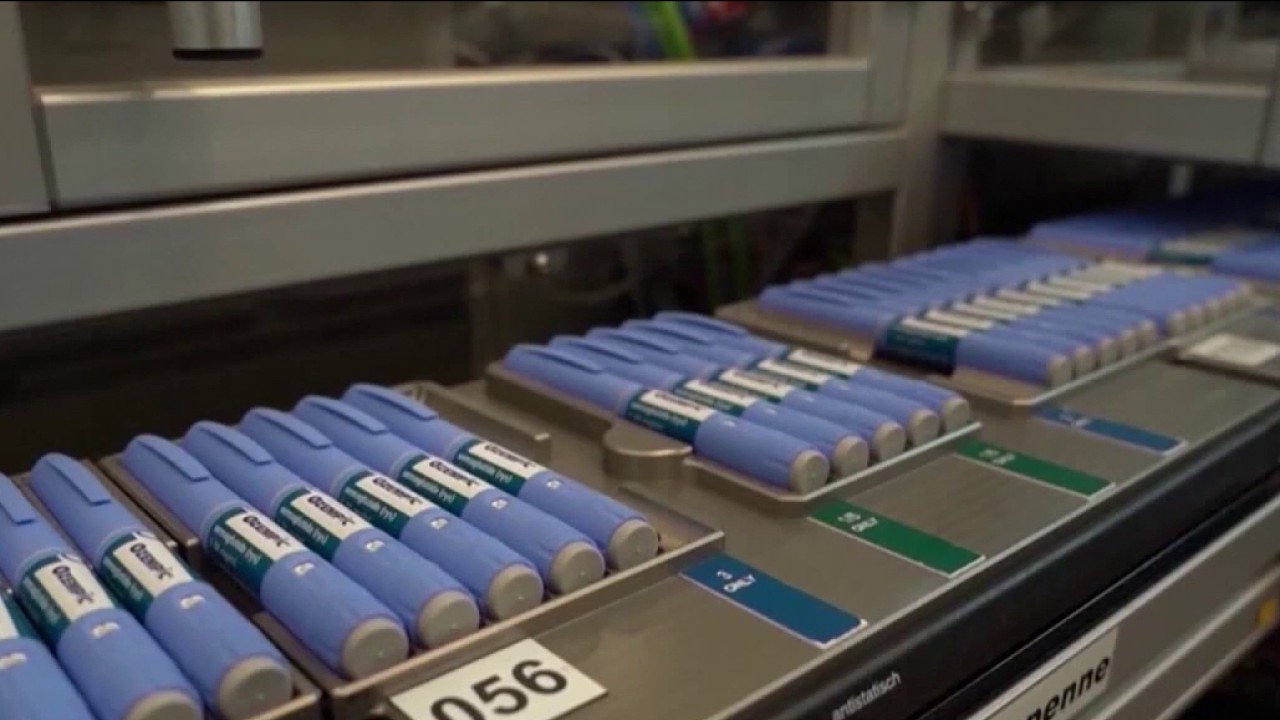
There's a nationwide surge in the number of children using GLP-1 medications. They're often prescribed for diabetes and weight control, mostly in adults. But, a recent study showed a 31,000% increase in the use of the medications among younger children. FOX 13's Aaron Mesmer reports.
TAMPA, Fla. - There is a nationwide surge in the number of children being prescribed GLP-1 medications, drugs commonly used to treat diabetes and manage weight.
What we know:
A recent study from NYU Lagone Health examined health records for about 3.5 million children between the ages of 8 and 11 who did not have diabetes but were living with obesity.
Researchers found the percentage of children in that age group receiving GLP-1 prescriptions increased from 0.03% in 2019 to 9.3% in 2026. That represents about 21,000 children.
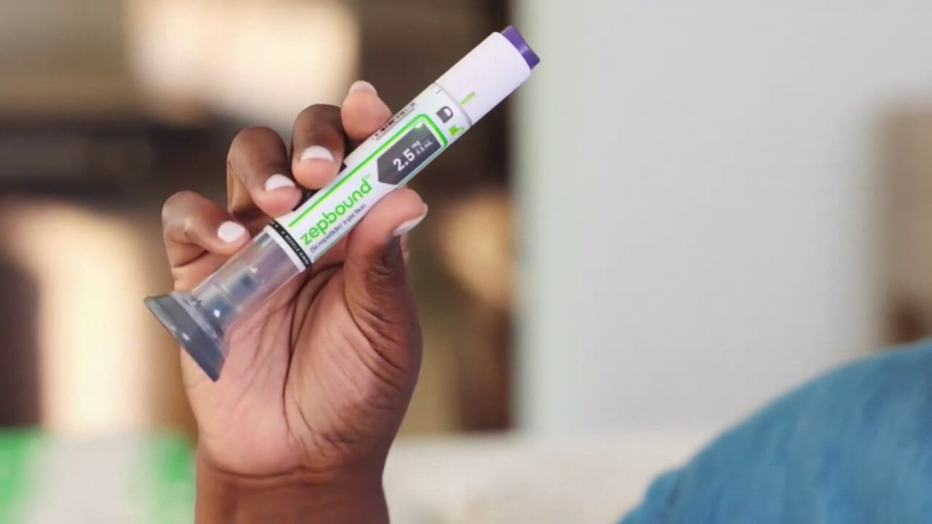
Because the number of prescriptions was small at the beginning of the study period, researchers calculated the increase at about 31,000%.
The study also found a significant increase in GLP-1 prescriptions among children ages 12 to 17.
Children with obesity-related conditions, including high cholesterol and sleep apnea, were more likely to receive the medications.
What they're saying:
Dr. Raquel Hernandez, Director of the Healthy Weight Initiative at Johns Hopkins All Children's Hospital, says the increase is partly being driven by more medications receiving approval for older children.
"We've had more medications be approved for patients 12 and older," Hernandez said. "We know that these medications have good safety data. We know that they have really, really strong evidence for improving patients' health in this age group and so more families are asking about it."
Hernandez said she is concerned some children receiving GLP-1 medications may not actually meet the criteria for treatment.
"I think what concerns me is that some of this increase may be for patients who may not truly qualify and who are not being supervised by a nutrition," she said.
The backstory:
GLP-1 medications can be prescribed to help manage diabetes and obesity. Their use among children has grown as more medications have received approval for patients 12 and older.
The NYU study focused on younger children who, under current FDA approvals, would generally be receiving the medications through off-label prescribing.
Researchers found older children with obesity were more likely than younger children to receive GLP-1 medications.
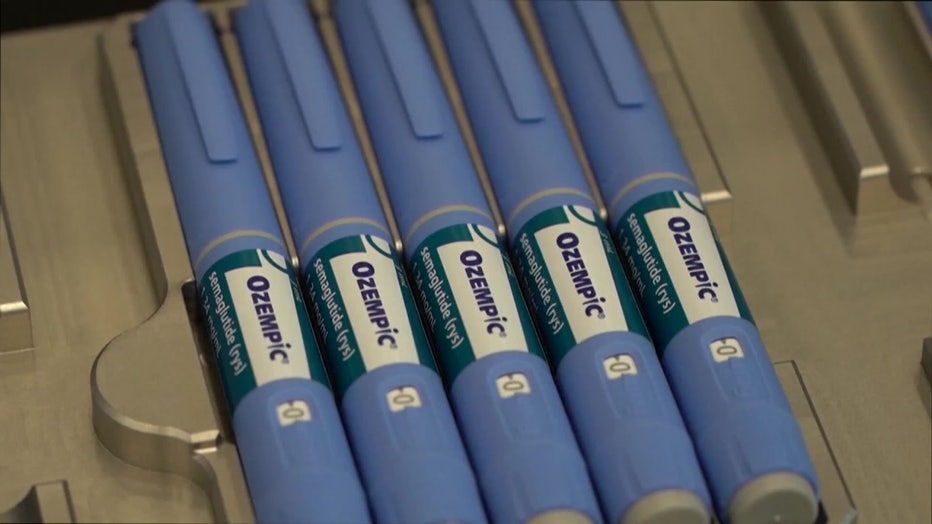
The findings come during Childhood Obesity Awareness Month, putting additional attention to how doctors and families are approaching childhood obesity and treatment options.
Hernandez describes obesity as an intergenerational problem that can affect multiple generations within a family.
Children with obesity also face a six to eight-times higher risk of remaining obese into adulthood, along with an increased risk of potentially serious health problems.
What's next:
Experts say the growing use of GLP-1 medications among children makes careful medical oversight increasingly important.
Hernandez says families should address obesity early and work with healthcare professionals to determine the safest and most appropriate treatment options for their children.
Under current FDA approvals, GLP-1 medications for obesity are authorized for children ages 12 and older, depending on the specific medication and indication.
The Source: Information for this story came from the NYU Lagone Health study on GLP-1 medication use among children, along with an interview with Dr. Raquel Hernandez, Director of the Healthy Weight Initiative at Johns Hopkins All Children's Hospital.