

Government shutdown: Federal workers, agencies brace for impacts

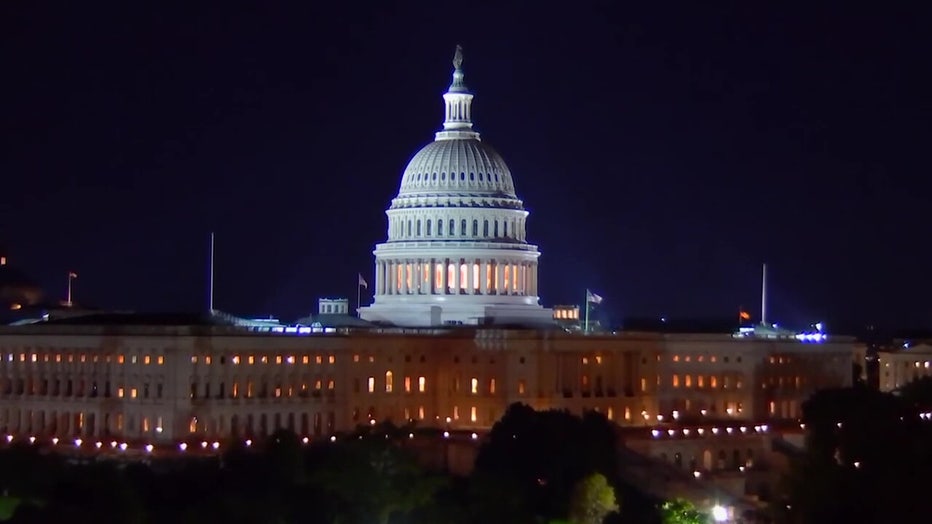
WASHINGTON D.C. - As the government shutdown continues, federal workers could be impacted.
Agencies like FEMA, TSA, the NTSB and air traffic control are federally funded, and could feel some of the impacts of the shutdown if it continues.
The backstory:
Lawmakers failed to reach a deal on Friday, forcing the shutdown to continue.
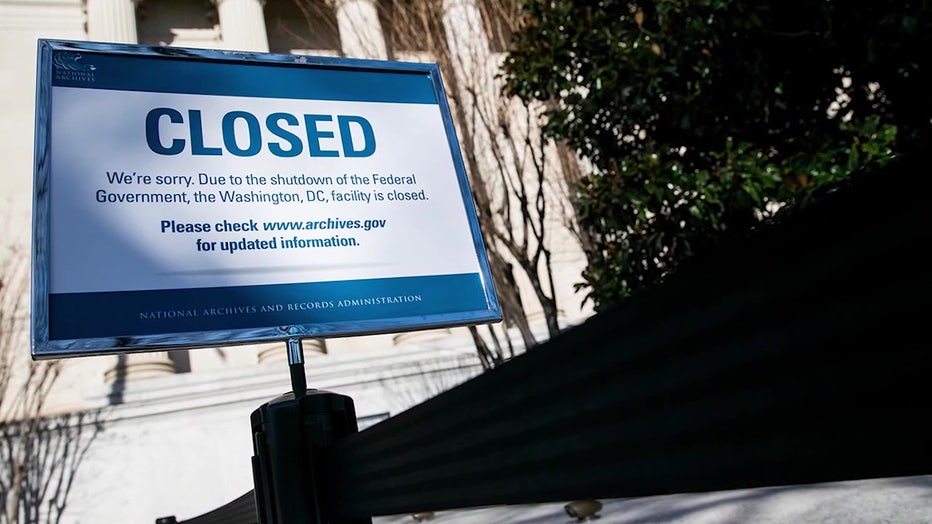
Some government agencies have already put out notices on social media, letting people know that updates may be delayed or nonexistent during the shutdown.
FEMA is expected to continue operating during the shutdown, but the agency receives funding from the disaster relief fund, which is part of a budget allocated by Congress annually.
"The National Flood Insurance Program is in danger of lapsing, which could leave families without necessary help if a disaster strikes," White House Press Secretary Karoline Leavitt said. "And we are in the middle of hurricane season."
PREVIOUS: Government shutdown hits Tampa Bay area: Thousands of federal employees impacted
The NTSB also put out a notice on social media, announcing its Facebook account won't be active until further notice, due to a lapse in appropriations.
"The more than 13,000 air traffic controllers who ensure that Americans fly safely in airports across the country are working without pay," Leavitt said.
The TSA released the following statement this week in response to the shutdown:
"Beginning midnight October 1st, funding for much of the Federal Government will have expired due to the partisan politics of left-wing politicians. While it is unfortunate some of our politicians have put politics before the well-being of our country, TSA is prepared for an orderly shutdown.
Approximately 61,000 of the agency’s 64,000 employees are considered excepted or exempt and TSA will continue operations to keep the travelling public safe. The remaining employees will be temporarily furloughed.
While TSA is prepared to continue screening about 2.5M passengers a day, an extended shutdown could mean longer wait times at airports. We kindly ask for our passengers’ patience during this time. Despite this challenge, we will remain vigilant and focused on performing our vital security mission on behalf of the American people."
Air travel
Travel experts say the shutdown is a financial pressure cooker for government agencies and employees.
"If you have immediate travel in the next day or so, it is unlikely that you're going to get majorly impacted," Katy Nastro, a travel expert and spokesperson for Going.com said.
Nastro says, the longer the shutdown lasts, the more likely its impacts will be felt by government workers and Americans.
"TSA agents are considered essential workers, and they are going without pay," Nastro said. "Even though it's back pay, they're not getting a paycheck yet. Their bills are starting to add up."
Essential government workers like TSA employees and air traffic controllers are still expected to report to work during the shutdown.
If the shutdown continues, Nastro says we could start to see the impacts in the coming weeks.
"We could see understaffing happen or just personnel needing to be elsewhere," she said. "And so, you could see longer lines through security."
The last government shutdown happened at the end of 2018 and continued into 2019, lasting more than a month.
Nastro says airports around the country saw TSA workers and air traffic controllers calling out of work.
"With an already strained air traffic control, we were operating roughly 3,000 less than we did a decade ago," she said. "It is an area of travel that we really have to be sensitive of. And it can make major impacts, as in temporary airport closures, delays in flights, cancelations of flights."
Experts say, although there are still millions of people traveling, this is a less busy travel period, which can help minimize the impacts.
"We're in a shoulder season right now, which is a sort of the best-case scenario for something like this to happen, where there's just fewer people traveling in general," Nastro said.
Passport processing
Experts say the offices in charge of passport processing will continue operating.
"And specifically with passport processing, you're going to see delays," Nastro said. "Now, roughly four to six weeks is a general time period that you can expect your passport to be processed. But like we saw just recently in Covid, is a great example of how processing delays can really add up because staff is not able to get into certain government buildings, if those are closed, which they are during government shutdowns."
What you can do:
Nastro says travelers should be paying close attention to their travel plans and be aware that there could be delays if the shutdown continues.
"You want to make sure that you have the flexibility to be able to change your flight," she said. Or, if you have a travel insurance, see what it does cover. This is really big for people. If you did purchase travel insurance for a big-ticket trip, like going abroad, you want to understand what you are actually owed.
Nastro says the impacts of the shutdown won't be felt immediately, but if it continues for the next few weeks, those impacts could start to be felt around the country.
"The real name of the game is if you have travel further out, say at the end of October, this is where you might want to reconsider your travel plans," she said.
The Source: Information for this story was gathered by FOX 13's Kylie Jones.