

MacDill AFB bomb plot: Court docs show IED details as suspect remains in China, sister in custody
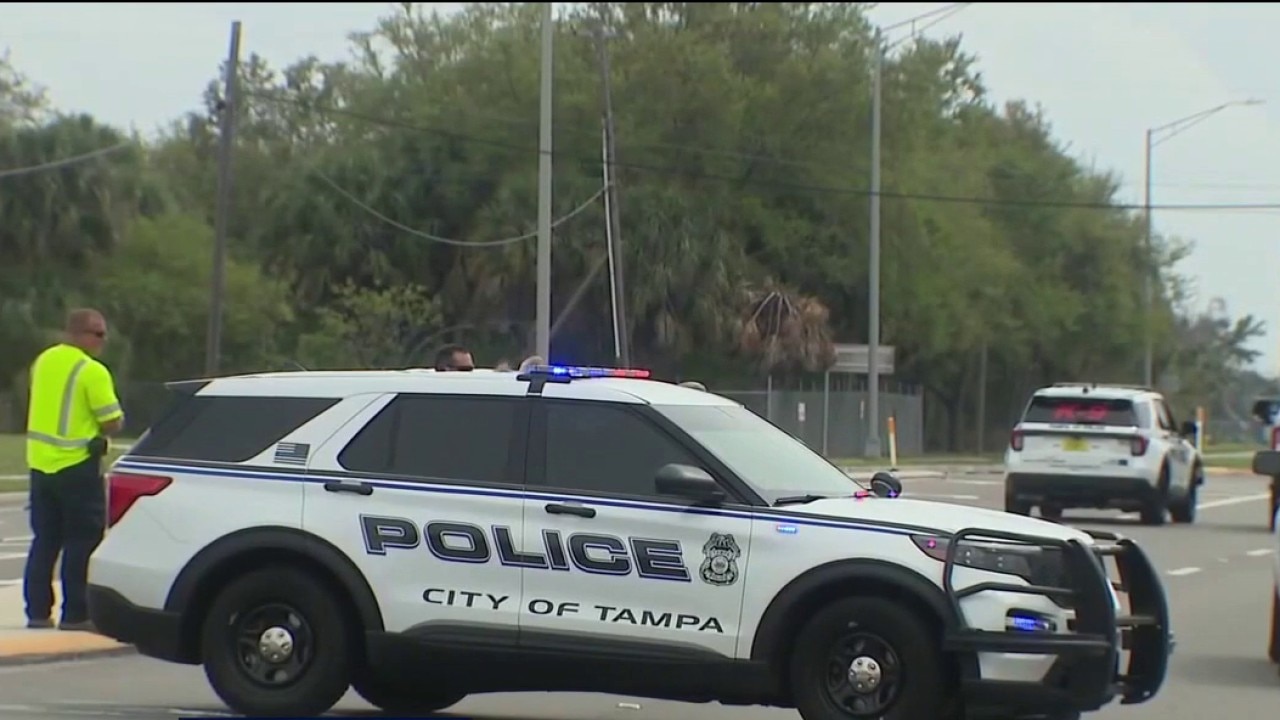
Court records show more on MacDill terrorism plot
Court documents show photos of the explosive device planted at MacDill AFB last month. FOX 13’s Aaron Mesmer reports.
TAMPA, Fla. - Newly released court documents and images are shedding light on the explosive device planted at MacDill Air Force Base last month and how federal investigators say they tracked down the suspects connected to it.
The device did not detonate, but authorities say the case involves a brother and sister with ties to China, raising serious concerns about intent and national security.
What we know:
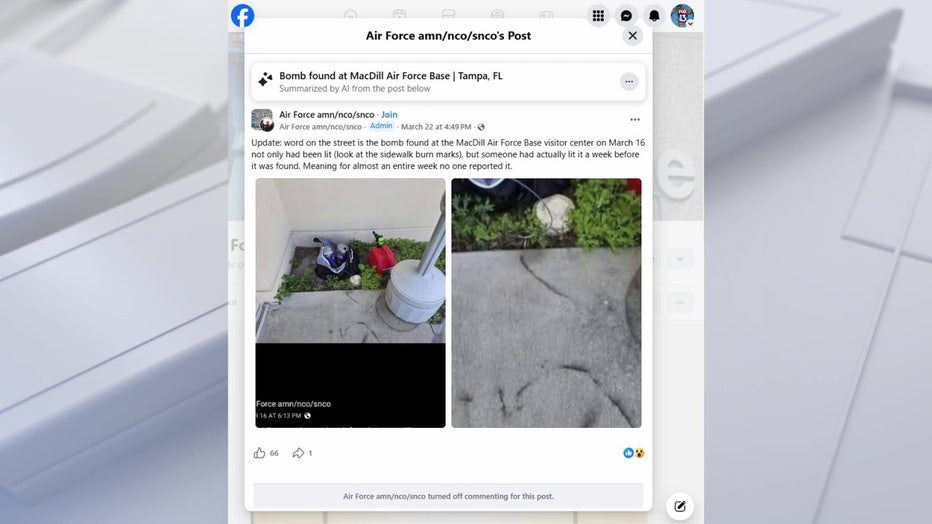
Photos posted on a Facebook forum for Air Force members appear to show the improvised explosive device before it was taken into evidence.
RELATED: Parents of MacDill bomb threat suspects arrested by ICE: DHS
The image shows what looks like two Cherry Pepsi bottles inside a black gym bag. Commenters in the forum also noted burn marks on the ground nearby, suggesting the device may have been lit.
According to court documents, prosecutors say Alen Zheng used the bottles to construct the device.
Surveillance video allegedly shows Zheng driving to MacDill Air Force Base on March 10 with the device in the trunk of his vehicle.
The investigation
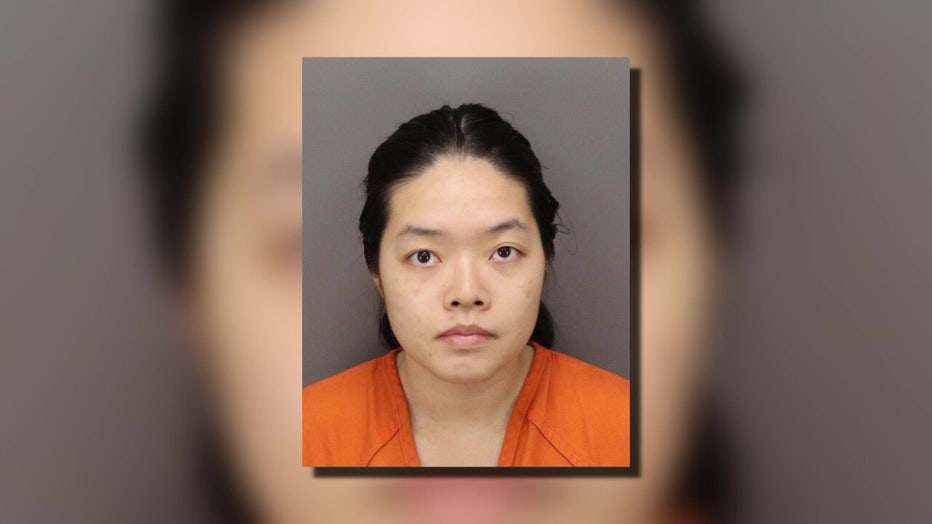
Federal prosecutors are using these details as part of their effort to keep Zheng’s sister, Ann Mary Zheng, in jail.
She’s accused of helping her brother flee the country after the incident. Investigators say he is now in China.
Authorities say Ann Mary Zheng also traveled to China, but she was arrested after returning to the United States earlier this month.
What they're saying:
Richard Kolko, a retired FBI agent, says the device appears relatively simple, but still dangerous.
"It's very simple to find directions on how to build an explosive device. You can do that on the internet. People do that. It's possible that that's where this person got the ideas on how build this. It does not look like a very sophisticated device. Part of the investigation will be determined what other components were located in the house and did this person ever build and test that device or a similar device elsewhere," said Kolko. "Once somebody makes a decision to cause harm to people, the size of the device or the method that they choose, it almost becomes insignificant because if they failed this time, they may be willing to do something more severe next time."
Dig deeper:
The case highlights concerns about how easily explosive devices can be assembled and the potential risks if future attempts are made.
It also raises challenges for law enforcement, as the main suspect remains overseas.
What's next:
The United States does not have an extradition treaty with China, which could complicate efforts to bring Alen Zheng back to face charges.
However, officials say agreements with other countries could limit his ability to travel internationally without being detained.
Authorities also say the siblings’ parents were taken into custody for allegedly overstaying their visas.
The Source: Information in this story comes from newly released federal court documents, images shared on a military-affiliated social media forum and an interview with a retired FBI agent.