

New colorectal cancer screening guidelines add blood test option as Florida trails U.S. screening rate
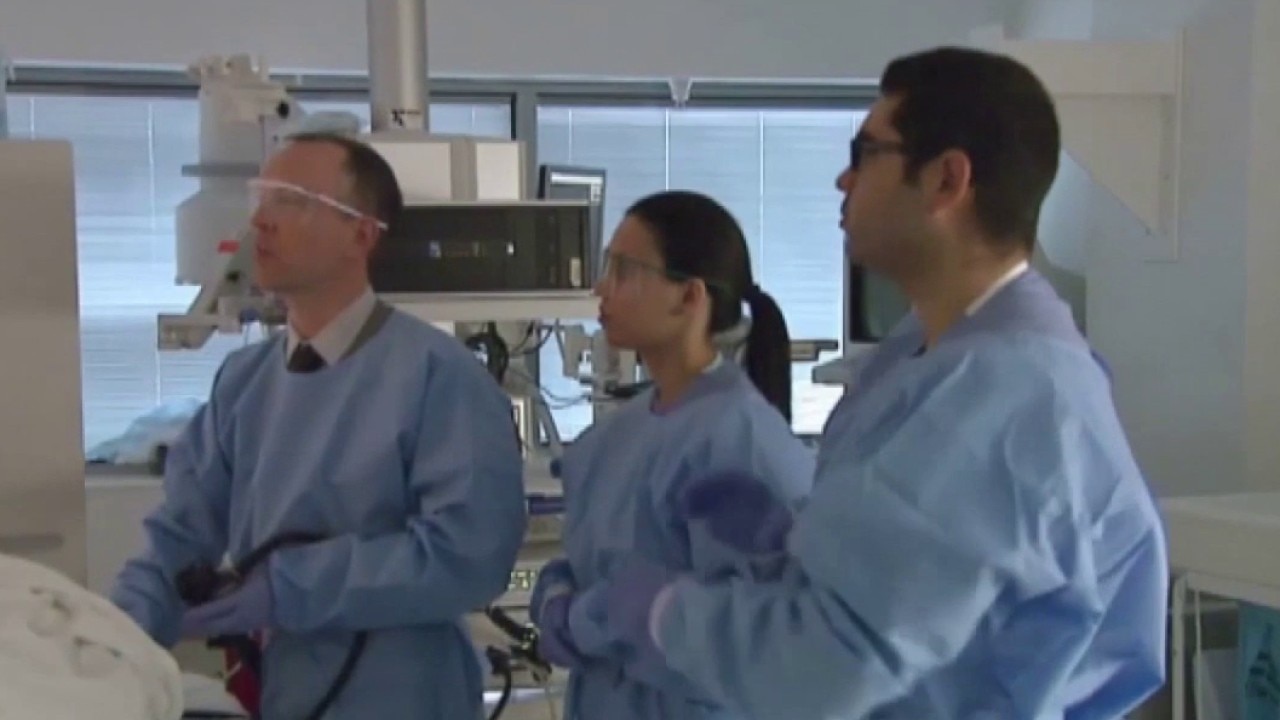
New guidelines for colon cancer screenings
The American Cancer Society says more than 20 million eligible Americans are not up to date on colorectal cancer screening. FOX 13's Matthew McClellan reports.
TAMPA, Fla. - The American Cancer Society is adding more colorectal cancer screening options as millions of eligible Americans remain unscreened.
New options for colorectal cancer screening
The updated guidelines, released on Wednesday, keep the starting age the same. ACS still recommends average-risk adults begin colorectal cancer screening at 45.
A colonoscopy remains the gold standard, but the new guidance adds newer at-home stool tests and a blood-based test for some adults.
The update comes as ACS estimates 12,850 people in Florida will be diagnosed with colorectal cancer in 2026. The group estimates 4,240 Floridians will die from it this year.
"We need to increase our emphasis on colorectal cancer as a highly preventable disease as much as a treatable one," said Dr. Robert Smith, senior vice president of early cancer detection science at ACS.
Florida’s screening gap
Dig deeper:
Florida’s colorectal cancer death rate is slightly lower than the national rate, according to ACS data. But Florida is behind the country when it comes to screening.
ACS data shows 66% of Floridians 45 and older are up-to-date on colorectal cancer screening. Nationally, the rate is 69%.
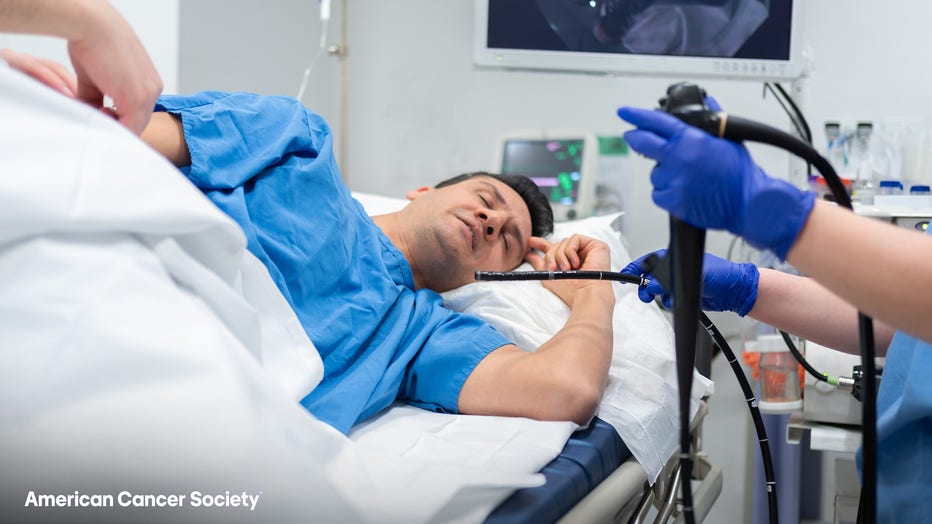
That gap is noteworthy because screening can find cancer early, when it is easier to treat. It can also find some polyps before they turn into cancer.
ACS says more than 20 million eligible Americans remain unscreened.
Dr. Mena Mirhom, a physician at Columbia University Health, said the expanded options could help people who have put off screening.
"The big thing is anytime were looking at these preventable cancers if you're catching this in those in that first early stage your survival rate goes up dramatically," Dr. Mirhom said.
What changed in the ACS guidelines?
The updated ACS guidelines include newer stool-based tests that can be done at home. Those tests look for hidden blood and molecular markers in stool samples.
The guidelines also now include a blood-based screening test done in a doctor’s office.
ACS says blood-based tests are recommended only for people who decline or do not complete preferred screening tests. The group says those blood tests have lower sensitivity for advanced precancerous lesions and stage 1 cancers than established stool-based tests.
Any positive stool test or blood test still requires a follow-up colonoscopy to complete the screening process. ACS recommends that follow-up happen within 6 months.
What they're saying:
The updated guidance does not replace colonoscopy.
ACS says the most effective screening test is the one a patient completes. Colonoscopy remains a key option because doctors can look directly at the colon and remove polyps during the procedure.
"No matter which test you choose, what’s most important is to get screened," said Dr. William Dahut, chief scientific officer at ACS.
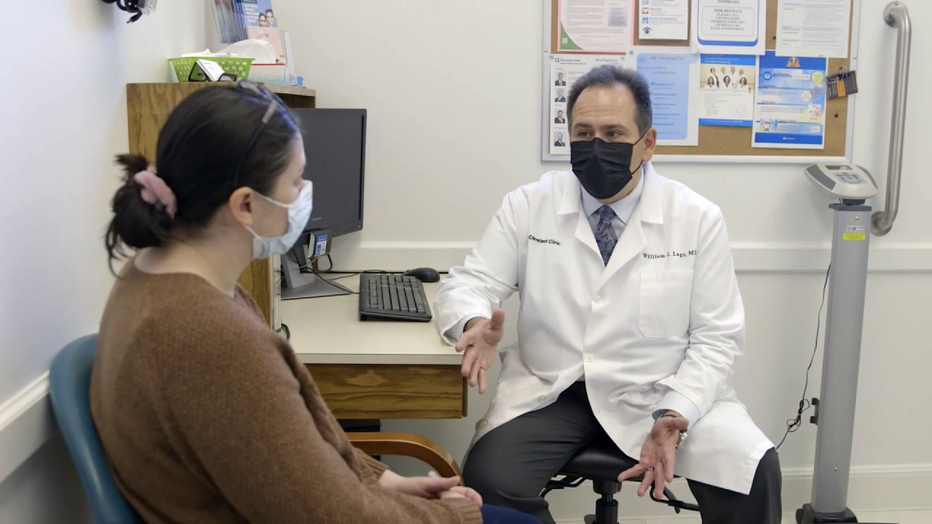
People at increased or high risk may need to start screening before age 45, get screened more often or use specific tests. That includes people with a family history of colorectal cancer, colorectal polyps or inflammatory bowel disease.
People older than 85 should no longer get colorectal cancer screening, according to ACS.
Access remains a concern
ACS and its advocacy affiliate, the American Cancer Society Cancer Action Network, said expanding screening options only helps if people can access them.
"Coverage and affordability remain among the biggest factors in whether eligible individuals get screened for colorectal cancer," said Lisa A. Lacasse, president of ACS CAN.
Doctors also urge people to talk with a medical provider if they notice warning signs, including rectal bleeding, changes in bowel habits, belly pain or iron-deficiency anemia.
The Source: This story is based on an American Cancer Society news release announcing updated colorectal cancer screening guidelines, the ACS Florida Cancer Statistics fact sheet for 2026, and a WTTG-TV interview with Dr. Mena Mirhom.