

Polk County dog's 'swamp cancer' battle sparks warning over stagnant water
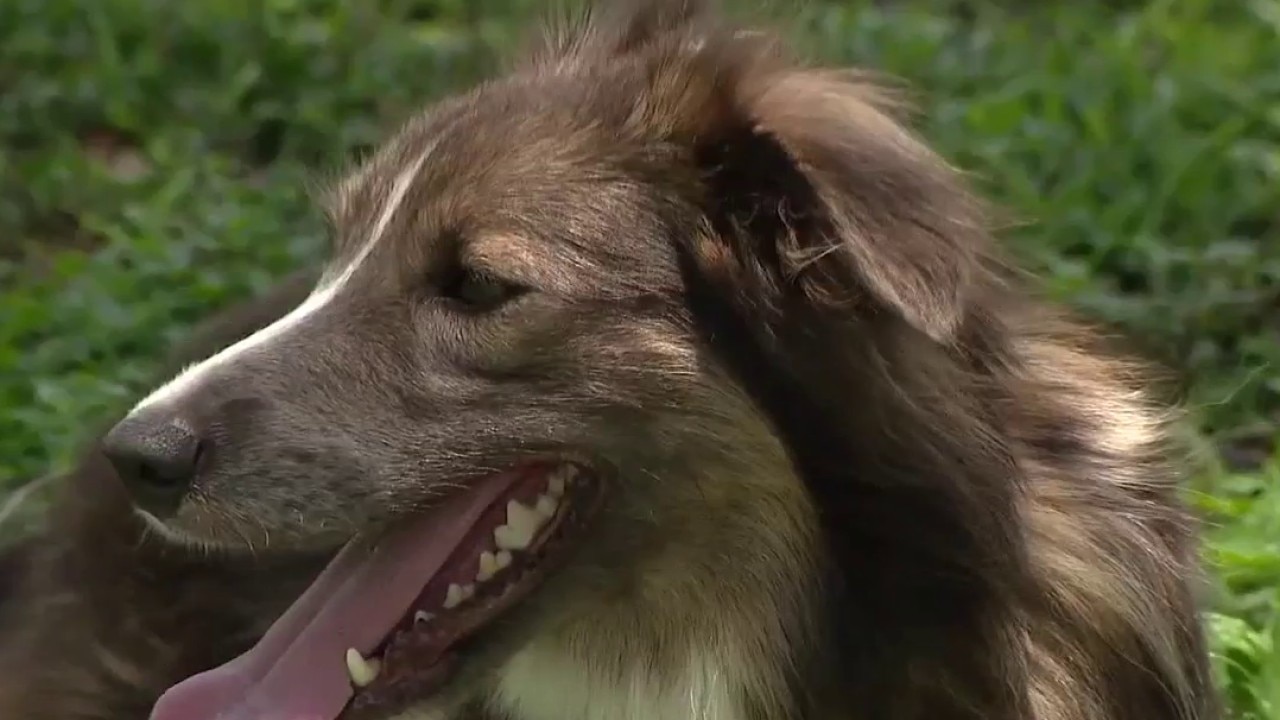
Pet owner warns others about 'swamp cancer'
A quick dip in that neighborhood lake or pond might seem like the perfect way for your dog to cool off, but something could be hiding in that warm, stagnant water. A Polk County dog spent the last year fighting for her life after contracting what's called "swamp cancer." FOX 13's Ariel Plasencia reports.
BARTOW, Fla. - A Bartow woman is warning pet owners after her dog spent the last year battling a near-fatal disease called "swamp cancer."
Polk County dog's battle
The backstory:
In July 2025, Summer was on a walk with her family when the then one-year-old Australian Shepherd mix drank water from a lake near her Bartow home.
Shortly after, her family noticed symptoms, including bloody diarrhea, vomiting, and her inability to keep water down.
"I was crying. I was like, something's wrong. Something's wrong," mom Katelynn Wedeman said.
Following a hospital stay, ultrasound, biopsy, and a slew of tests, veterinarians diagnosed Summer with pythiosis.
"That was the first time I ever heard that word," Wedeman said.
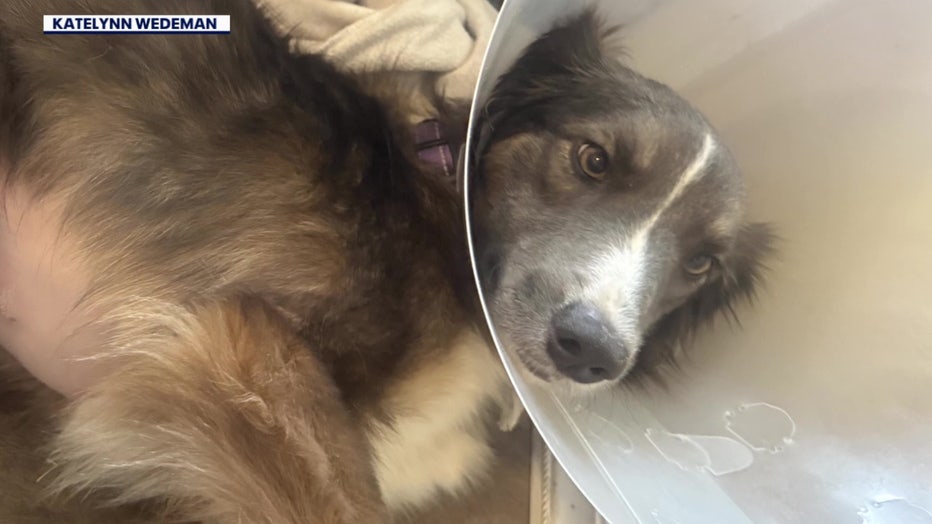
Summer wearing a protective cone during her intensive recovery. Her owner is sharing her story to ensure other families recognize the symptoms before it's too late.
Stagnant water dangers
What we know:
Pythiosis comes from a fungus-like organism that lives in swampy, stagnant water.
Dogs can contract the disease if they swallow the contaminated water or swim in it with open wounds or cuts.
Once infected, dogs can develop large masses within their intestinal tract.
The disease is sometimes called "swamp cancer."
"What you see often looks like a massive tumor," said Dr. Bob Encinosa, owner of Boyette Animal Hospital in Riverview. "And unless the owners are willing to pursue histopathology and take biopsies and so forth, it often -- I think -- goes undiagnosed as just an unresectable mass."
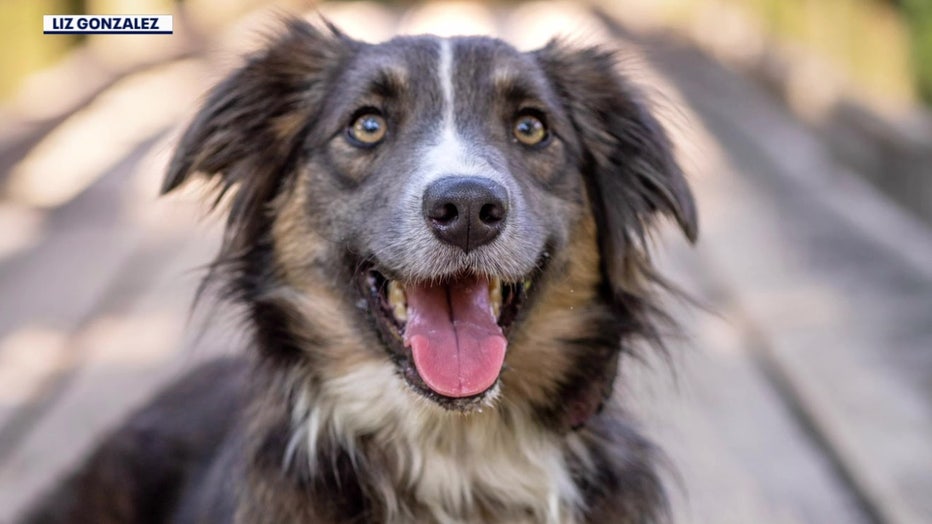
Summer, an Australian Shepherd mix from Bartow, is finishing a year-long medication regimen after contracting a dangerous disease known as pythiosis.
Local perspective:
Encinosa told FOX 13 he’s already seen one fatal case of pythiosis this year after a dog swam in a retention pond.
"Ridiculously difficult to treat," Encinosa said of the disease. "It doesn't respond to most of the antifungal drugs very well that we have. So surgical excision is the method of choice, but that even generally has to be followed with immunotherapies and even chemotherapies to try to kill it."
Encinosa recommends avoiding muddy, warm, shallow water.
"If you can touch the bottom, don't put your head under the water," Encinosa said. "Because a lot of these organisms are residing in the mud at the bottom. And when things get stirred up, that's when they become dangerous."
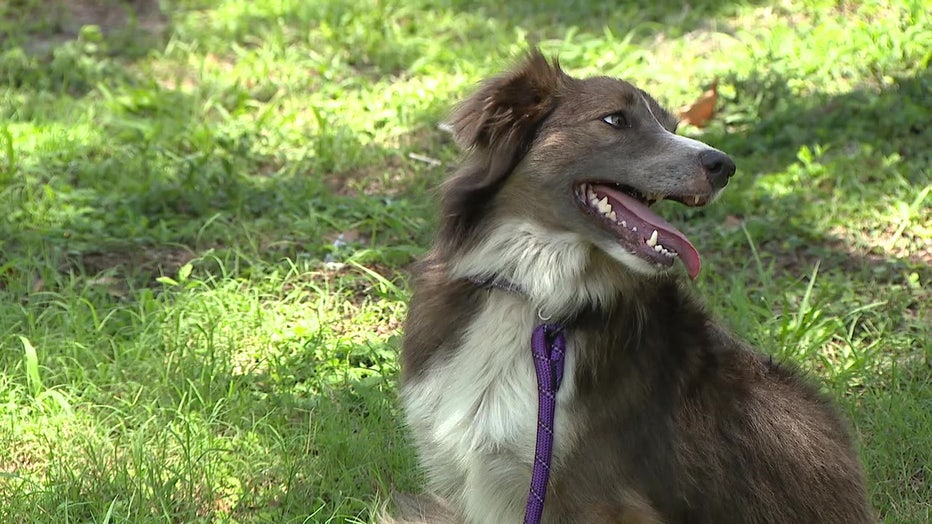
Veterinarians warn pet owners to keep dogs away from stagnant, warm, muddy water, where the fungus-like organism that causes "swamp cancer" thrives.
Summer’s recovery
What's next:
Now, one year after falling ill, Summer is finally finishing her intensive medication regimen. She will remain on immunotherapy for the rest of her life – and won’t be going anywhere near stagnant water.
"I just don't want another pet owner to ever hear the word ‘pythiosis’ before it's too late," Wedeman said. "Because it was really almost too late for her."
The Source: The information in this story was gathered from interviews with pet owner Katelynn Wedeman and Dr. Bob Encinosa of Boyette Animal Hospital.