

Pinellas transit vote: PSTA delays Route 90 decision, ends Snapper service in Safety Harbor
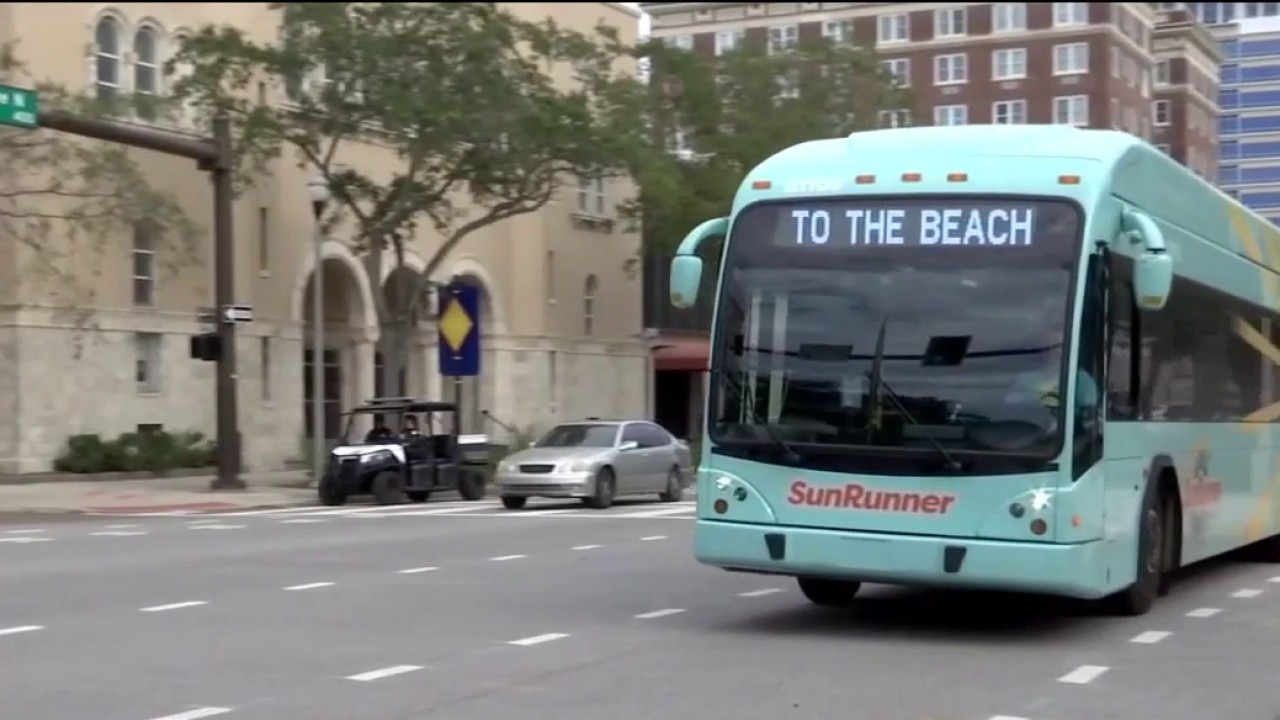
PTSA considers cutting bus routes, raising fares
Pinellas County transit leaders are set to decide Wednesday whether to eliminate two PSTA services and increase some fares after riders packed a public hearing last week to argue that the value of public transportation cannot always be measured by ridership and cost alone. FOX 13's Matthew McClellan reports.
ST. PETERSBURG, Fla. - The Pinellas Suncoast Transit Authority Board of Directors voted Wednesday to delay a decision on eliminating Route 90 until the end of the year, while approving the elimination of Snapper service in Safety Harbor.
The board also voted to keep Routes 16 and 58, Snapper Clearwater and the Grouper Airport Shuttle.
Pinellas transit vote
What we know:
The decisions came after weeks of public discussion over proposed PSTA service cuts and fare changes.
The board held a second public hearing at 9 a.m. Wednesday at PSTA headquarters in St. Petersburg.
Six routes and services were originally put under review: Routes 16, 58 and 90; Snapper service in Safety Harbor and Clearwater; and the Grouper Airport Shuttle.
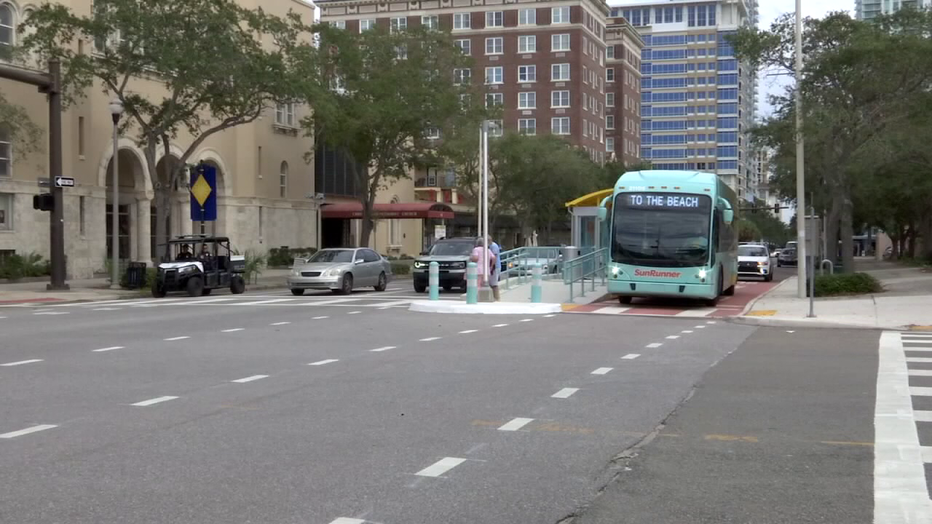
PSTA board members voted to postpone discussions about eliminating Route 90, which connects St. Pete and St. Pete Beach, until the end of the year.
PSTA staff had recommended eliminating Route 90 as part of an effort to improve the efficiency of the transit system and lower the agency's property tax rate.
The board's decision Wednesday means Route 90, which averages about 730 riders per month, will continue operating while PSTA considers its future.
Fare and fee adjustments
By the numbers:
PSTA began reviewing its routes in February, examining factors including ridership, operating costs, revenue and the net subsidy required for each ride.
But the agency is not facing a budget shortfall that requires service cuts.
PSTA says its tentative property tax rate of 0.7250 mills would produce a balanced fiscal year 2027 budget without requiring service reductions or fare increases. The proposed rate would also mark the third consecutive year the rate has fallen.
Snapper Safety Harbor service ending
The board voted to eliminate Snapper on-demand service in Safety Harbor. The service averages about 87 riders per month, according to PSTA's analysis.
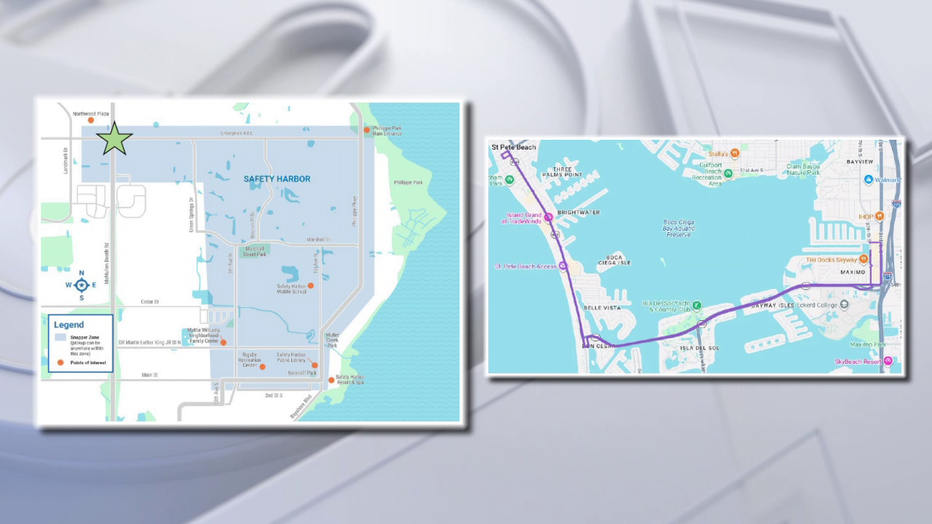
PSTA has described Safety Harbor as a lower-density area where previous fixed-route and connector services have struggled to attract riders.
The agency has proposed adding Direct Connect service near Enterprise Road and McMullen Booth Road as an alternative.
At last week's hearing, however, Clearwater resident and public transit accessibility advocate Gloria Lepik-Corrigan urged board members to consider what transit contributes beyond its balance sheet.
"Transit is an engine of opportunity for our communities," Lepik-Corrigan said. "It brings people to stores, doctors, jobs, restaurants and community events."
Lepik-Corrigan specifically argued against eliminating the Safety Harbor service, telling board members she had previously relied on transit to visit her mother at a nursing home there.
Four services will stay
The board voted to keep four of the services that were initially placed under review:
- Route 16
- Route 58
- Snapper Clearwater
- Grouper Airport Shuttle
Route 16 averages 3,193 riders per month and connects downtown St. Pete with destinations including Gateway Mall, Northeast High School, Meadowlawn Middle School, Mirror Lake Library and the Sunshine Senior Center. PSTA says there is no alternative route that replaces the service.
Route 58 averages 2,918 riders per month and serves St. Petersburg College's Seminole campus, Seminole City Center, Osceola High School, employment centers and other destinations. PSTA similarly lists no alternative route.
Public hearing testimony
What they're saying:
Several Route 58 riders appeared at last week's hearing to explain what losing it would mean.
Mark Shaw told board members he and his wife have used the route for years to get to work, while his granddaughter uses it to reach St. Petersburg College.
"I can't afford to take an Uber to work back and forth every day," Shaw said. "I have looked at alternate routes, but none can get me to my job at 7 a.m."
PSTA Chief Planning and Community Affairs Officer Darden Rice said staff concluded Route 58 serves people with few other transportation options.
"This is an important corridor," Rice told the committee. "It connects people who have no other choices in the county."
Staff also recommends keeping Snapper Clearwater, where ridership has been growing. PSTA believes it can reduce the service's cost per rider by combining some trips with PSTA Access service.
The Grouper Airport Shuttle would remain as well, although PSTA proposes reducing dedicated bus service on some lower-demand days and increasing fares.
Riders describe transit as a necessity
Much of last week's hearing centered on something harder to quantify: what happens when someone without a car loses a transit connection.
Keith Gamble of St. Pete urged PSTA leaders to consider that human impact.
"Put some more thought into what you're doing and how it affects people's lives," Gamble said. "You're affecting people's lives."
Gabriel Ray, a Clearwater student who said he uses PSTA to get to and from school, said the board transit determines whether he can participate in activities after the school day ends.
"I cannot do clubs if I don't have the bus," Ray said. "I cannot stay after school. I can't get help from teachers."
Those concerns factored into staff's recommendation to preserve some routes.
Rice said Route 16, for example, serves schools, senior facilities and other destinations where riders would have few realistic alternatives. She also warned that eliminating a feeder route can cost the system riders elsewhere because passengers often transfer between routes.
What could cost riders more
Dig deeper:
The board will also consider several fare and fee adjustments Wednesday.
The regular $2.25 bus fare is not proposed to increase across the board.
Instead, riders who tap a credit or debit card onboard would pay an additional 11 cents, bringing a single ride paid that way to $2.36. PSTA says about 11% of fares are now collected through credit or debit card taps and the agency pays approximately $25,000 per month in processing fees.
PSTA's current published regular fare is $2.25 for a single ride.
Other proposed changes include:
- Raising the Transportation Disadvantaged monthly bus pass copay from $11 to $13.
- Raising the Grouper fare for a single rider from $8 to $10, with larger increases for group fares.
- Creating a fuel-price surcharge for ferry service when diesel exceeds $4 per gallon. The proposal calls for an additional $1 on the Clearwater Ferry and $2 on the new Tampa Bay service while that threshold is exceeded.
PSTA estimates the fare and fee changes could generate approximately $75,000 in additional revenue.
Board decision schedule
What's next:
The board's decision Wednesday to revisit the issue by the end of the year leaves the future of Route 90 unresolved.
For riders who spoke last week, the decision is about more than whether a particular route generates enough revenue.
As Route 58 rider Robin Shaw told board members, "It's not a business so much as it's a public service."
The Source: Information in this story comes from Pinellas Suncoast Transit Authority documents prepared for its Aug. 26 Board of Directors meeting, including PSTA's proposed FY2027 route and fare adjustments and staff recommendations. FOX 13 also reviewed the transcript of PSTA's Aug. 19 public hearing, including comments from riders, community members and PSTA officials.