

Seaside Seabird Sanctuary urges against tree trimming during spring, summer to protect nesting birds
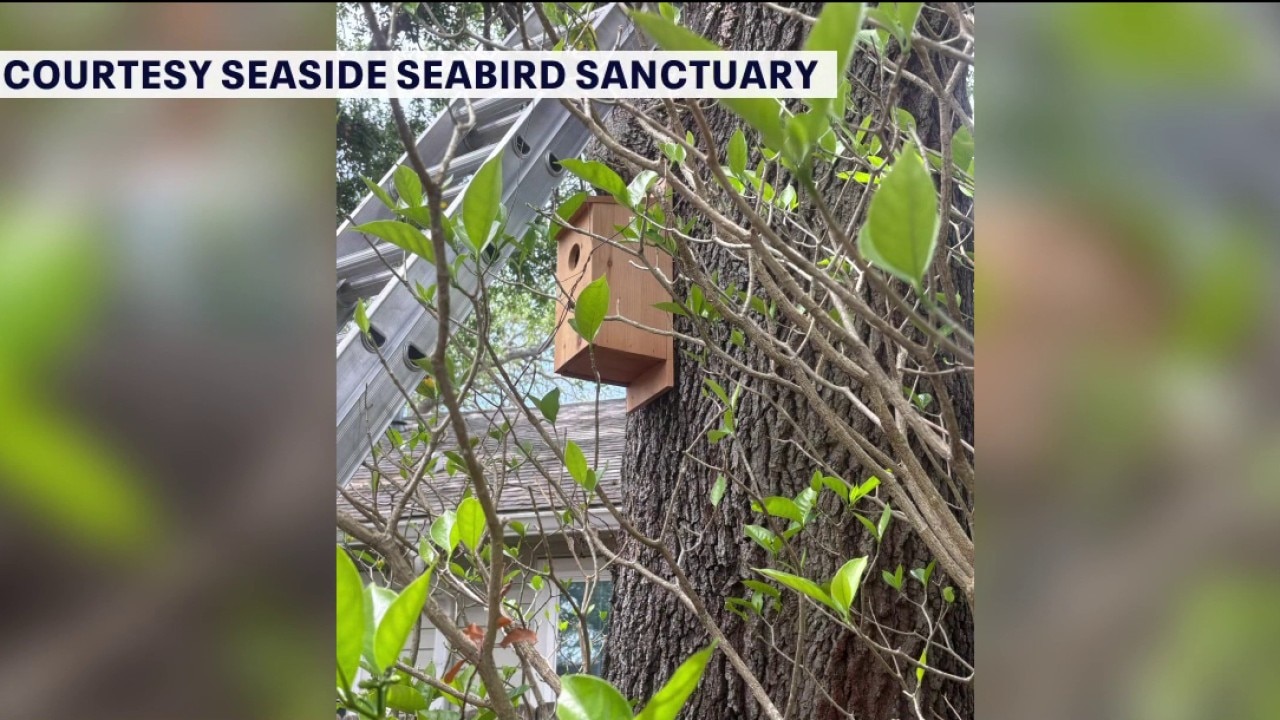
Local owl population at risk from tree removal
Wildlife experts at the Seaside Seabird Sanctuary in Indian Shores are asking homeowners to think twice before trimming and removing trees this spring, as they’ve received an influx of calls about displaced baby birds. FOX 13's Kailey Tracy reports.
INDIAN SHORES, Fla. - Wildlife experts at the Seaside Seabird Sanctuary in Indian Shores are asking homeowners to think twice before trimming and removing trees this spring, as they’ve received an influx of calls about displaced baby birds.
By the numbers:
The sanctuary, located in Pinellas County, reports it is currently receiving 40 to 60 calls per day, mainly about baby birds. Many of these calls involve eastern screech-owlets that have been inadvertently removed from their homes during tree removals.
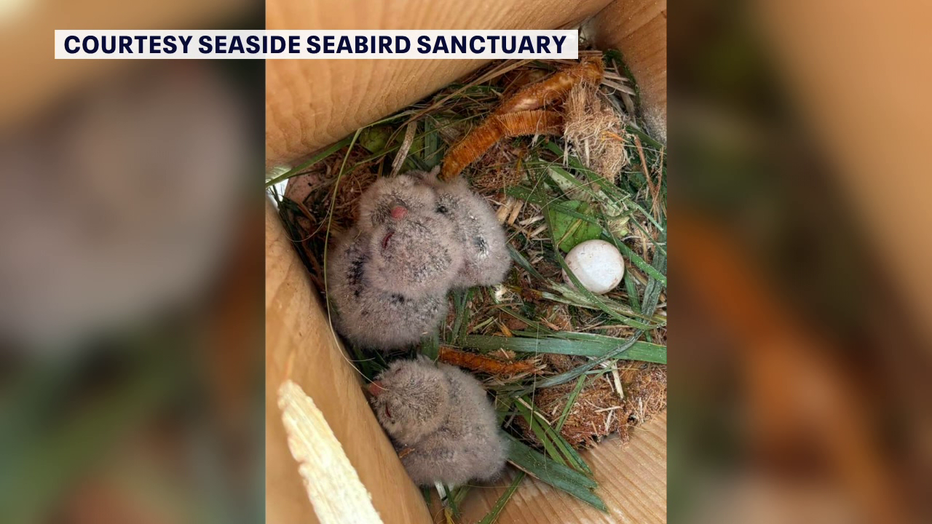
Courtesy: Seaside Seabird Sanctuary
"In the past few days, I think we've had maybe five or six that we actually send people out for renesting," Dylan Kahn, a hospital technician at the sanctuary, said.
While natural events like windstorms and heavy rain can knock nests loose, Kahn noted that human activity is the primary cause of the current influx.
Dig deeper:
Eastern screech-owls pose a unique challenge for tree services because they are cavity nesters. Unlike species that build visible nests of twigs on outer branches, these owls live inside the tree, making their nests harder to see.
The sanctuary recently issued a public service announcement on social media asking residents to refrain from trimming or removing trees between April and August. This window marks the peak nesting season for several local species.
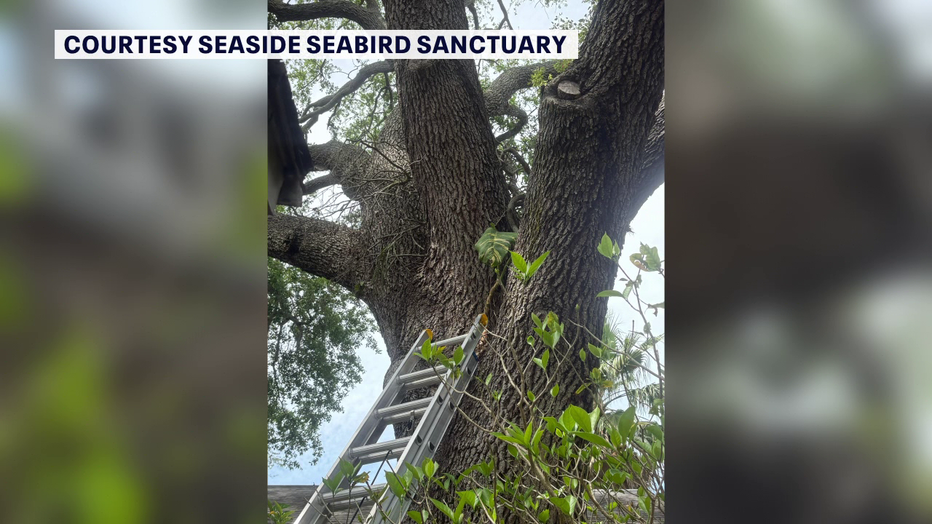
Courtesy: Seaside Seabird Sanctuary
The issue is particularly acute in Pinellas County, which maintains one of the highest population densities of screech owls in the United States. Kahn clarified that homeowners may not need to wait the entire season to resume yard work.
"Sometimes, especially if the baby's already older or nearing that fledgling stage, sometimes you only need to wait a week, or a few days or so," Kahn said.
What you can do:
For situations where a tree poses an immediate safety hazard, such as interfering with power lines, the sanctuary advises homeowners to thoroughly inspect the area and explicitly ask tree service professionals to check for active nests before starting work.
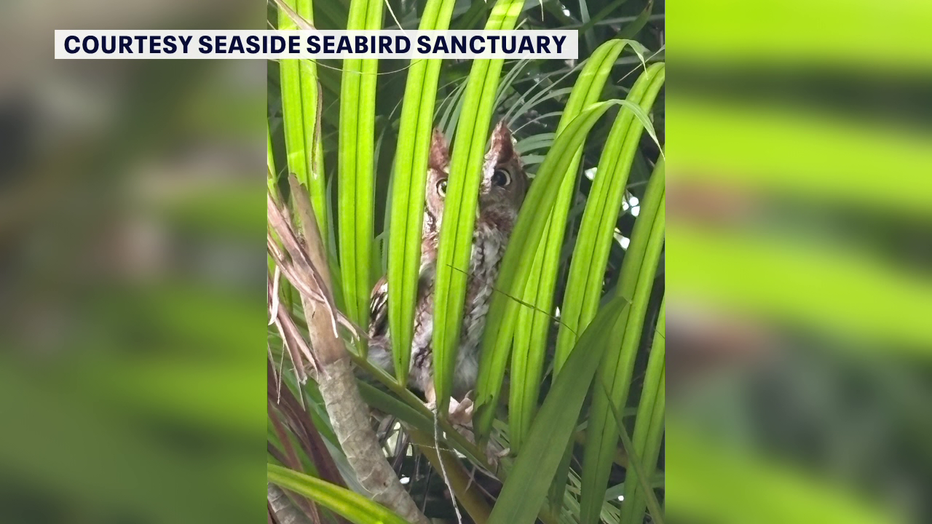
Courtesy: Seaside Seabird Sanctuary
If a resident finds a bird that appears injured or displaced, Kahn urges them to call their rescue line at 727-391-6211, rather than trying to care for the animal themselves.
What's next:
Staff at the sanctuary expects the volume of calls to continue to rise as the nesting season progresses into the summer months.
The Source: Information in this story comes from an interview with a hospital technician at Seaside Seabird Sanctuary.