

100 Deadliest Days: Why the period between Memorial Day and Labor Day is so deadly for teens
100 deadliest days of summer
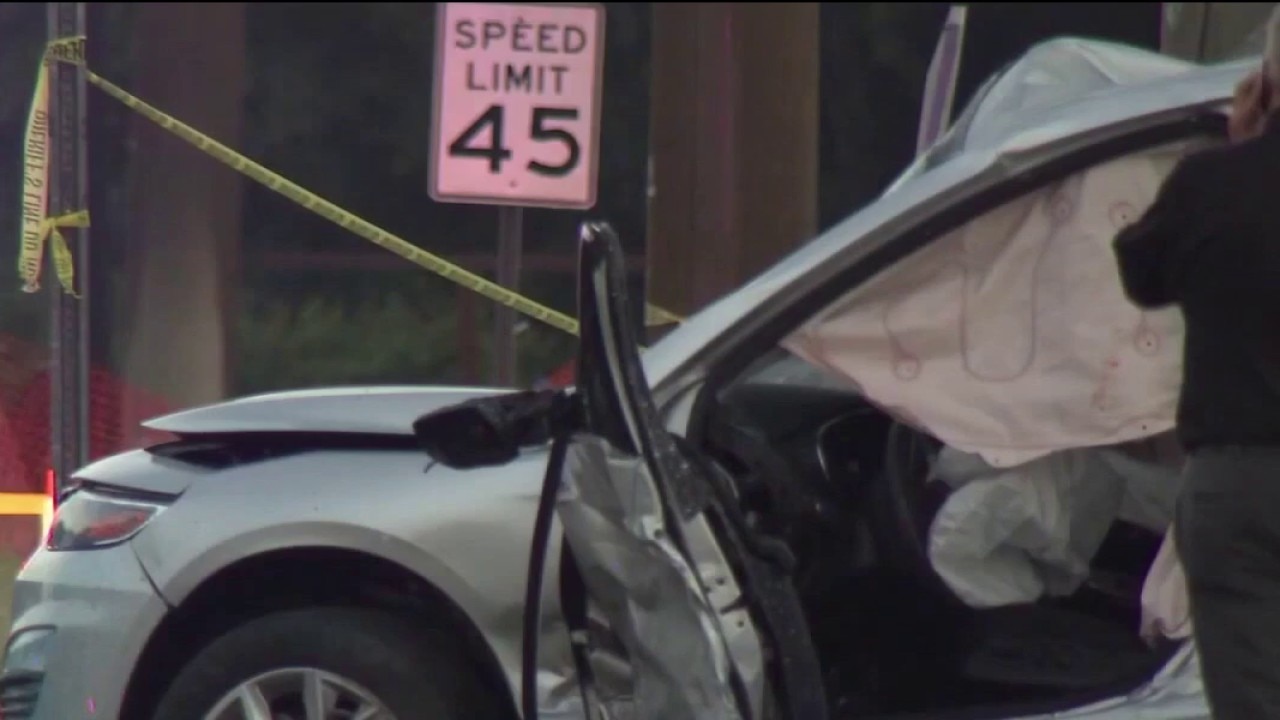
Memorial Day marks the unofficial start to summer and the 100 deadliest days when it comes to teen drivers. FOX 13’s Heather Healy reports.
TAMPA, Fla. - The annual onset of Memorial Day weekend marks the beginning of a highly dangerous traffic window known as the 100 Deadliest Days of Summer. Automotive safety advocates warn that fatal crashes involving adolescent motorists spike dramatically during this timeframe.
Summer highway accident spike
What we know:
Automotive club AAA reports that car crashes stand as the top cause of death for American teenagers. Between Memorial Day and Labor Day, young motorists are 20% more likely to die in a vehicle collision compared to the rest of the year.
Missing regional crash variables
What we don't know:
The national safety briefing does not specify which states currently track the highest volume of seasonal teenage highway fatalities. It also remains unclear how localized law enforcement agencies plan to step up summer traffic patrols.
Teen highway safety factors
The backstory:
The period between late May and early September shifts driving patterns significantly as school sessions close for the year. Young people spend significantly more hours operating vehicles without adult supervision during these months.
AAA spokesman Mark Jenkins detailed the compounding risk factors that target younger motorists when classes end for the summer.
"That's largely because you have more people out on the roads, but you also have teenage drivers who have more time behind the wheel because classes are out. So that's young, inexperienced drivers driving more often during the day and at night, and oftentimes they're riding with other teenage passengers, which is a huge distraction. So this is an effort from AAA and all safety advocates to just encourage safe driving habits, particularly among teen drivers," Jenkins said.
Fatal vehicle accident data
By the numbers:
Statistics show that consistent seat belt usage slashes overall vehicular mortality risks by 45%. Conversely, fatigued operating habits contribute to roughly 100,000 traffic incidents across the country every year.
Safe youth driving habits
What you can do:
Parents are encouraged to hold frequent, direct conversations with their children regarding seasonal roadway dangers. Teenagers should consistently wear safety belts, maintain a safe trailing distance behind other vehicles, obey posted speed limits, get adequate rest, and never operate a vehicle under the influence of alcohol.
The Source: The information in this story was gathered from AAA spokesman Mark Jenkins, who explained how teenage schedule changes and passenger distractions increase roadway hazards during the summer months.