

Flying out of TPA? Here’s how nationwide flight cancellations could impact the airport
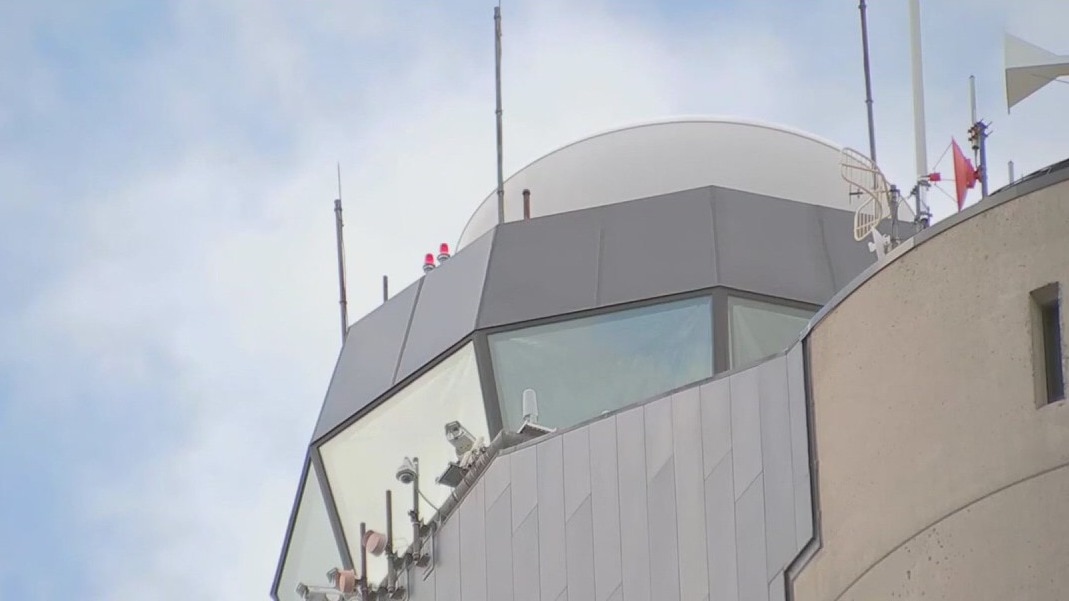
TAMPA, Fla. - The Federal Aviation Administration announced Thursday which airports will be affected by nationwide flight reductions, prompted by the ongoing government shutdown. Tampa International Airport is on the list of airports required to cut flights.
What we know:
The FAA on Wednesday announced a plan to cut flights by up to 10% at 40 of the country’s busiest airports.
PREVIOUS COVERAGE: 10% of flights in 40 U.S. busy airports will be canceled starting Friday — What experts, travelers are saying
Travel expert Katy Nastro with Going Travel says the ripple effects will extend far beyond the airports that make the list.
"This has the potential to impact hundreds of thousands of people on any given day," Nastro said. "It will start at 4%, then increase to 5% and upwards of 10%. The system doesn’t handle that well, so we’ll likely see impacts beyond just Friday."
So far, FlightAware data shows only minimal disruptions nationwide, with two cancellations per major airline. Tampa International’s departure board remains clear for now, but experts warn travelers to stay alert.
What they're saying:
"These flight cuts are going to affect, I think, 80% or more of the airline system, because even though it's 40 airports, these are major hubs," Henry Harteveldt, an airline industry analyst with Atmosphere Research Group, said.
Airline experts say travelers could be impacted beyond the 40 airports on the FAA's list.
"Starting Friday, airlines are going to have to cut 4% of their flights," Harteveldt said. "On Saturday, that increases to 5%. By some point next week, it has to reach the 10% reduction."
Airline experts say major airlines will likely look to cut smaller, regional flights first.
"Other airlines are going to look at routes that have high frequencies of flights," Harteveldt said. "So, where they may have eight or more flights, that's probably where they'll start to cut first."
He says routes with only a few flights a day and international flights will face minimal impacts. Harteveldt says the cancellations will also impact flight crews.
"Their schedules are built months in advance," he said. "They are precision-engineered, and to ask an airline to start dismantling that with only 36 hours advance notice, that's a Herculean task."
What we don't know:
Experts say it's not clear how this could potentially impact airfare and ticket prices during this time.
"With fewer seats, that means fewer low-fare seats," Harteveldt said. "At the same time, if these flight restrictions are scaring people away from traveling and airlines are saying you can get a refund, we may see people who have flights booked, cancel them."
Experts hope the impacts of this reduction do not linger through Thanksgiving, but they say things may not bounce back immediately upon the government reopening.
"They want to see where the control towers and on-route traffic control centers are still severely short-staffed," Harteveldt said. "And, if they see those staffing problems continue, the flight cuts will continue in spite of the government going back to work. So, there will likely be some lingering hangover."
Tampa International Airport impacts
Local perspective:
On Thursday afternoon, TPA said it's closely monitoring developments with the FAA's order. TPA officials shared the following statement:
"The Airport is currently awaiting information about how TPA may be affected by this plan. The FAA has stated its intention to reduce air traffic by 10 percent in 40 markets nationwide, but has yet to announce an official list of facilities where these reductions will take effect or how this plan will be implemented in each market."
TPA is the 27th largest airport in the U.S. In a post on social media, TPA said up to 10% of its 600 daily flights could be impacted. However, officials say airports don't determine that flight schedules and that scheduling is up to the airlines.
Big picture view:
Several of the nation's major airlines have responded to the FAA's order. United, Delta and American all released statements on social media about preliminary flight impacts and passenger information.
Travelers are encouraged to pay close attention to their flight details.
Travel tips if your flight is canceled:
Use your airline’s app:
It’s the fastest way to receive real-time notifications and the quickest method to rebook yourself on another flight.
Know your rights:
Airlines will typically automatically rebook you on the next available flight, but you can opt for a refund instead or a rebooking on a different flight, within a similar time window.
Endorsement by another airline:
Your airline is under no obligation to cover the cost of rebooking with a different airline, but it can be worth asking if your airline is willing to endorse your ticket to another carrier—should you find a flight with someone else that works better after a cancellation.
Review your reservations :
Check hotel and rental car cancellation policies in advance, and consider researching alternative travel options such as trains, buses or nearby airports. Having a backup plan can save money and reduce stress if delays stretch into the weekend.
The Source: Information from the Federal Aviation Administration, FlightAware data, and travel expert Katy Nastro with Going Travel.