

Blood shortage: OneBlood sees critical supply drop, forcing urgent call for donors
OneBlood reaches critical supply shortage
OneBlood officials announced a critical supply shortage of O-positive and O-negative blood, the two most frequently used blood types in emergency medical care. Regional representatives are urging citizens to donate immediately to replenish depleted reserves during the high-demand summer months. FOX 13's Danielle Zulkosky reports.
TAMPA, Fla. - OneBlood officials announced a critical supply shortage of O-positive and O-negative blood, the two most frequently used blood types in emergency medical care. Regional representatives are urging citizens to donate immediately to replenish depleted reserves during the high-demand summer months.
OneBlood faces critical shortage
What we know:
The regional blood bank currently operates with only a one-day supply of O-positive and O-negative blood. Hospitals rely heavily on O-negative blood, because it serves as the universal type given to trauma patients when their blood type is unknown. O-positive is the most frequently transfused blood type, making up 37% of the general population.
While roughly 60% of the population is eligible to give blood, less than 5% of people actually donate. Officials emphasize that anyone who received a tattoo at a licensed facility can donate once it heals, and the FDA lifted restrictions on men in same-sex relationships three years ago.
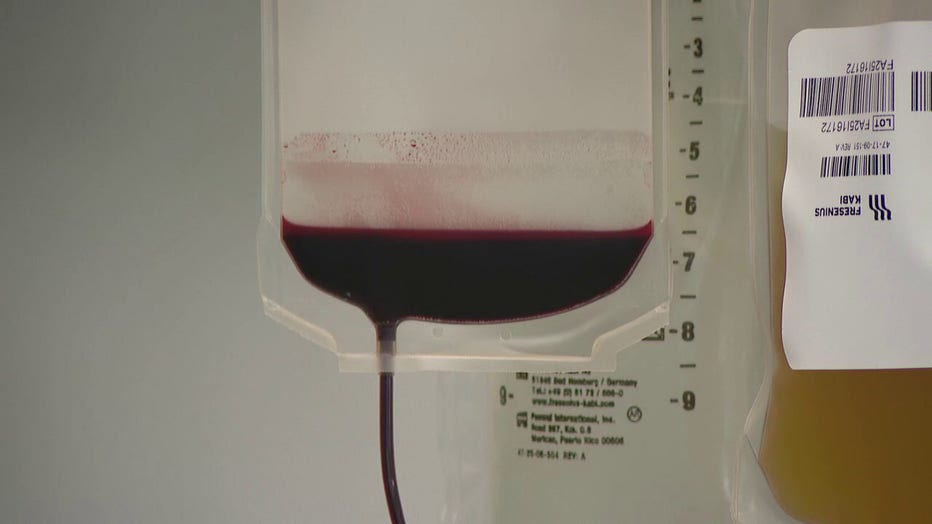
Severe summer blood deficits
Why you should care:
Blood center donations historically drop during the summer months, because families are traveling and on vacation. At the same time, the legal and medical need for blood spikes during this season. More people are active outdoors, which leads to an increased number of accidental injuries and trauma cases.
Hospital networks in need
By the numbers:
OneBlood serves as the primary provider of blood products for more than 250 hospitals throughout the southeastern United States. Donated blood is processed quickly and typically reaches a patient in need of life-saving care within just a few days.
Expanding donor eligibility rules
Dig deeper:
Every person who visits a center undergoes the exact same medical screening questions to ensure safety. Additionally, laboratory technicians test all donated blood products for infectious diseases before hospitals clear them for patient transfusions.
Finding a donation center
What you can do:
You don't need to know your blood type ahead of time to help fill the emergency gap. If you want to find a nearby collection center or bloodmobile, detailed scheduling information is available on the official OneBlood website.
The Source: The information in this story was gathered from the OneBlood official website and interviews conducted by FOX 13's Danielle Zulkosky with Pat Michaels, the director of media and public relations for OneBlood.