

Florida high school student-athlete ECG requirement: How screenings work
Important heart test for high school athletes
A new Florida law now requires many high school student-athletes to receive a one-time electrocardiogram (ECG) heart screening before participating in FHSAA athletics. FOX 13's Matthew McClellan reports.
PINELLAS PARK, Fla. - For thousands of Florida families, the back-to-school sports checklist has a new requirement this year.
Florida student-athlete ECG requirement
The backstory:
Beginning in the 2026-27 school year, incoming ninth-grade athletes and students in grades 10 through 12 participating in an FHSAA sport for the first time must complete a one-time electrocardiogram, or ECG, before they can practice or compete under Florida's new Second Chance Act.
The law was passed to help detect potentially dangerous heart conditions that can lead to sudden cardiac arrest in young athletes. The conditions often show no warning signs.
Courtesy: Who We Play For
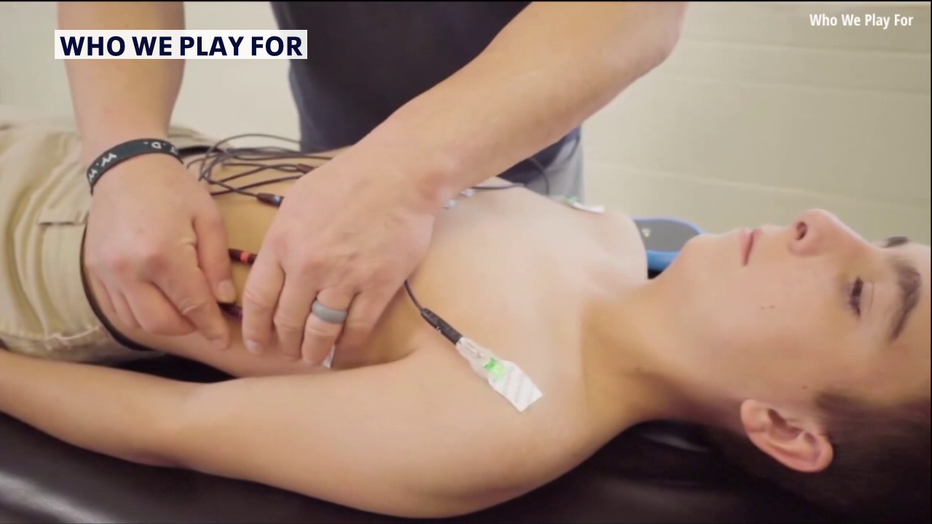
FOX 13 received exclusive access inside a heart screening clinic run by the nonprofit Who We Play For, where technicians demonstrated the process that many Florida families will now experience before the start of the school year.
How the high school heart screening works
What we know:
The screening itself takes only a few minutes.
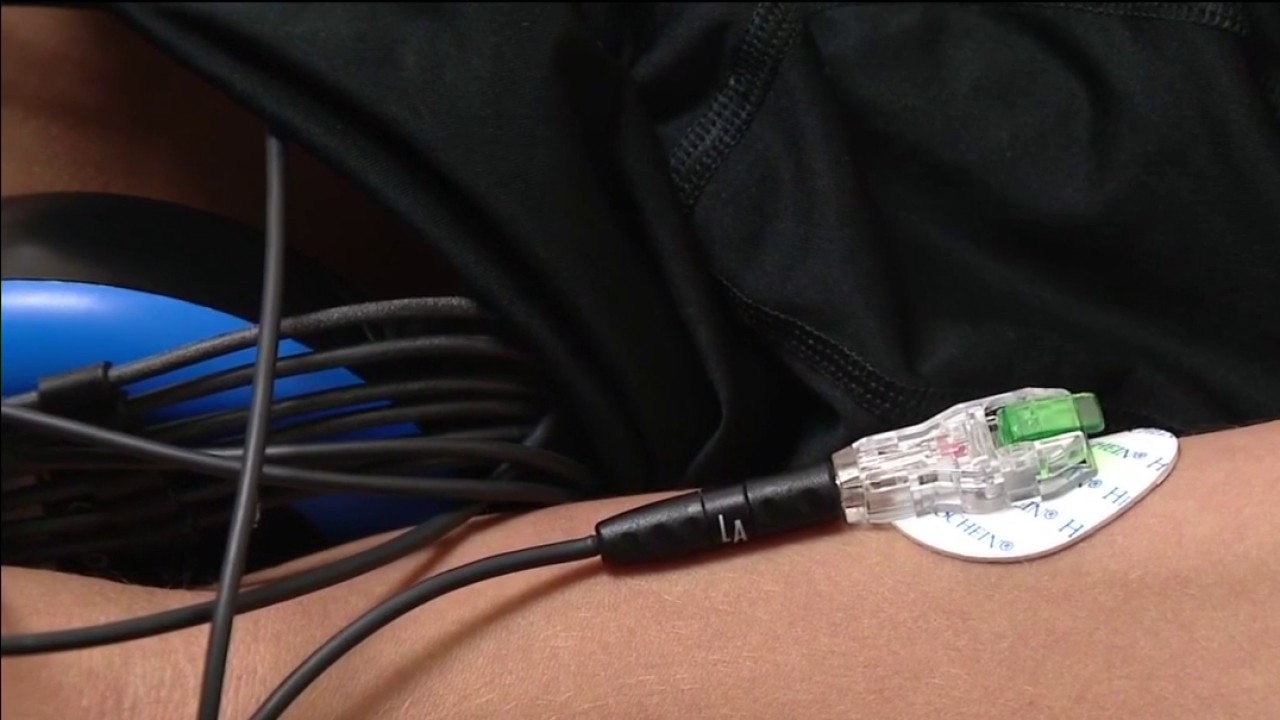
Technicians place small adhesive electrodes on a student's chest, arms and torso before connecting them to an ECG machine that records the heart's electrical activity. The test is painless and does not use needles or electricity.
"There are no needles hidden, and we don't stab you," Krysti Jonas, heart screening director for Pinellas and Hillsborough counties with Who We Play For, said. "It's just stickers. They might be cold, but that's all you're going to feel."
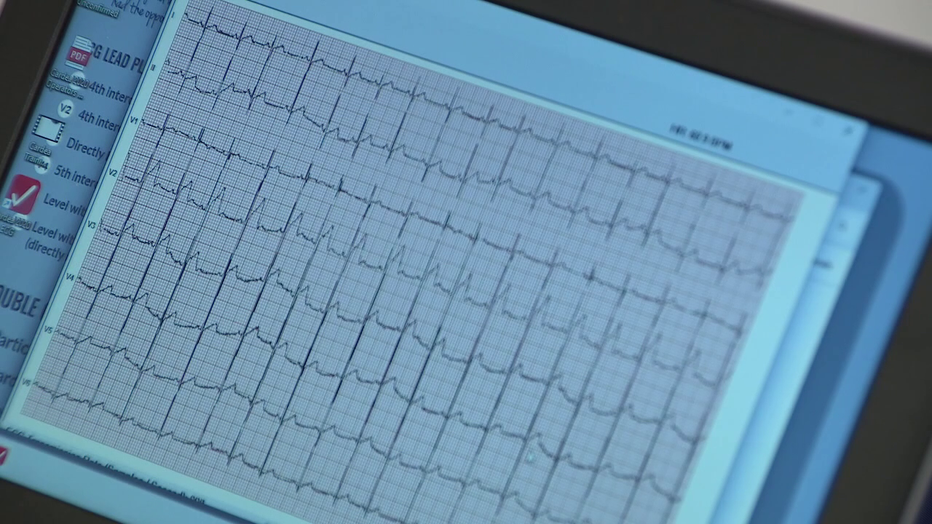
Doctors later review the tracing for abnormalities that could indicate an underlying heart condition requiring additional evaluation.
Why Florida added the requirement
Why you should care:
Supporters of the law say the additional screening fills a gap left by traditional sports physicals.
According to organizations supporting the screenings, approximately one in 300 young people have an undiagnosed heart condition that could increase the risk of sudden cardiac arrest. Research has also shown ECG screening can detect many conditions that routine physical examinations may miss.
Jonas said the technology gives families an opportunity to identify potential problems before an emergency happens.
"As a mom, knowing that I can do something that takes three minutes that could potentially save her life is huge," Jonas said, while describing why she plans to have her own daughter screened. "We're all about preventing that and helping throughout the whole process."
Parents say the process is 'easy'
What they're saying:
Parents who brought their children to the clinic described the new requirement as another step toward keeping young athletes safe.
"It wasn't really a big deal to us," parent Jeremy Kelly said. "It was just something else that we can make sure he'd be okay to play sports and not have any issues. It's not hurting anything to be a little more cautious."
Kelly also said registering for the screening was straightforward.
"It was easy," Kelly said. "Just go right on, and you can pick the location that's convenient for you and whatever time slot works and get it done."
Students who completed the screening also described the experience as much easier than they expected.
"It was really easy," volleyball player Lauren Shannon said. "You just heard a beep, and then it took like five seconds."
What happens if a screening finds something?
Dig deeper:
An abnormal ECG does not automatically prevent a student from playing sports.
Instead, the student must undergo additional medical evaluation and receive written clearance from a qualified healthcare provider before participating in athletics, according to FHSAA requirements.
Schools require documentation that the screening has been completed before covered student-athletes become eligible to participate. Head to this site or this resource to schedule a screening.
The Source: This story is based on Florida Senate Bill 1070, FHSAA heart screening guidance for the 2026-27 school year, and reporting by FOX 13 inside a student-athlete heart screening clinic operated by the nonprofit Who We Play For. Interviews included heart screening director Krysti Jonas, parents and student-athletes participating in the screening.