

BayCare, Florida nonprofit offers heart screenings ahead of new ECG law for first-time high school athletes
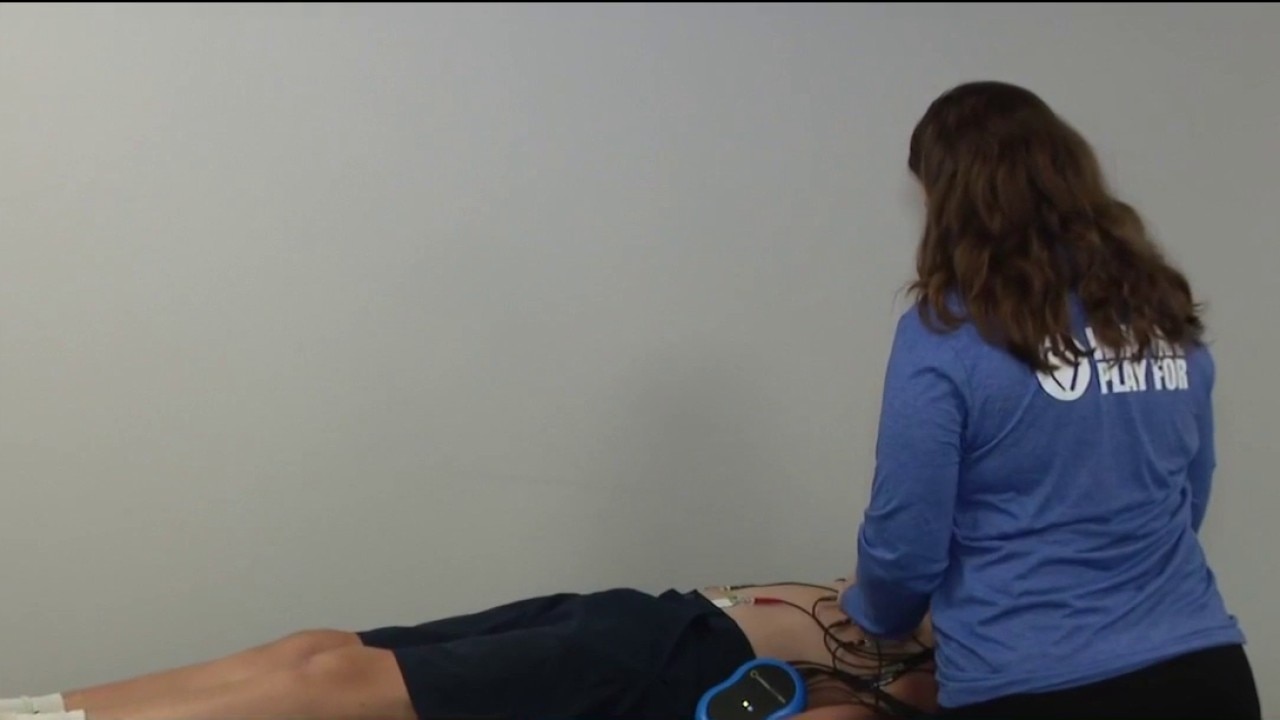
Heart screenings for high school athletes
First-time high school athletes must get an EKG screening in Florida for the upcoming school year. FOX 13’s Kylie Jones reports.
TAMPA, Fla. - A new law in Florida will require all first-time high school athletes to get an electrocardiogram (ECG), ahead of the upcoming school year.
The Second Chance Act goes into effect on July 1, requiring these heart screenings before new high school athletes begin their sports season.
The backstory:
The law passed last year, requiring new high school athletes to pass an ECG screening.
An ECG can detect abnormalities in a student's heart that a standard physical wouldn't otherwise detect.
"Sudden cardiac death is the most common cause of death in high school athletes," Dr. Stephanie Kurtz, a pediatric cardiologist with BayCare Kids, said.
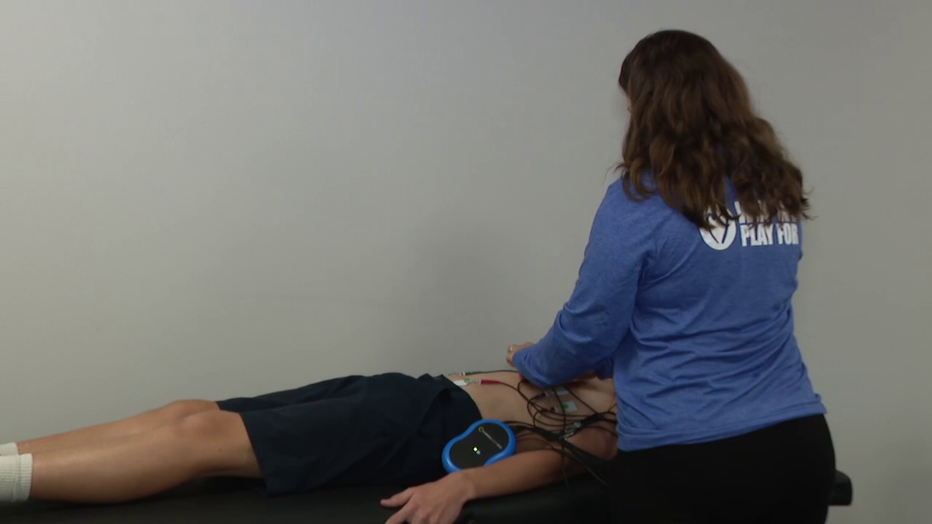
Kurtz says about 90% of sudden cardiac arrests that happen outside the hospital are deadly.
Kurtz says sudden cardiac arrest is relatively rare in teens, but many can be prevented with the help of an ECG.
"We can catch things before those sudden cardiac deaths occur," Kurtz said.
An ECG is a non-invasive screening that only takes a few minutes, and it records the electrical activity of your heart.
What they're saying:
Laura Walters says an ECG could've caught a rare heart condition that her daughter, Sara, was diagnosed with after surviving a sudden cardiac arrest when she was 14 years old.
"In a lot of ways, it feels like a lifetime ago, and [in] a lot of ways, it feels like yesterday," Laura Walters said.
Sara Walters is now a student at Florida State University.
In 2019, Sara had just turned 14 and started her freshman year of high school as a competitive swimmer.
Warning signs
Sara came home from swim practice one day, feeling extremely sick. Her mom says she was having a hard time catching her breath.
"She vomited on the way home, which never happened before," Laura Walters said. "And when we got home, my husband gave her some Gatorade and she sat on the couch, and while she was sitting on the couch, she kept saying she wanted to go upstairs and go to bed."
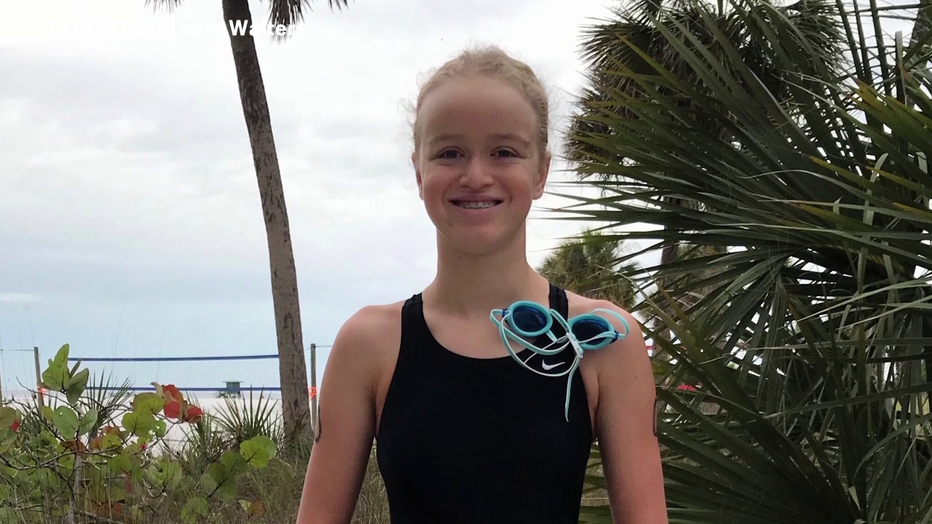
Courtesy: Laura Walters
Before Sara could go upstairs, her mom says she had a seizure.
"And at the end of her seizure, she went comatose," Laura Walters said. "She was non-responsive, and I thought she was dead, honestly."
Dig deeper:
Laura Walters says Sara had a sudden cardiac arrest, and at the hospital, she was diagnosed with a rare heart condition.
"She [Sara] was diagnosed with an inherited heart condition, a cardiomyopathy called ARVC, which is arrhythmogenic right ventricular cardiomyopathy, which is the number two killer of high school athletes, after hypertrophic cardiomyopathy," Walters said. "We didn't have this in our family."
Although Sara survived, she has permanent heart damage and had to get a pacemaker.
"And it also has a cardioverter on it," Laura Walters said. "So, if she ever goes through an arrhythmia again, it will actually shock her, just like it would in the ER."
What you can do:
Laura Walters now urges every family to get their children screened, so they can avoid a potentially deadly situation.
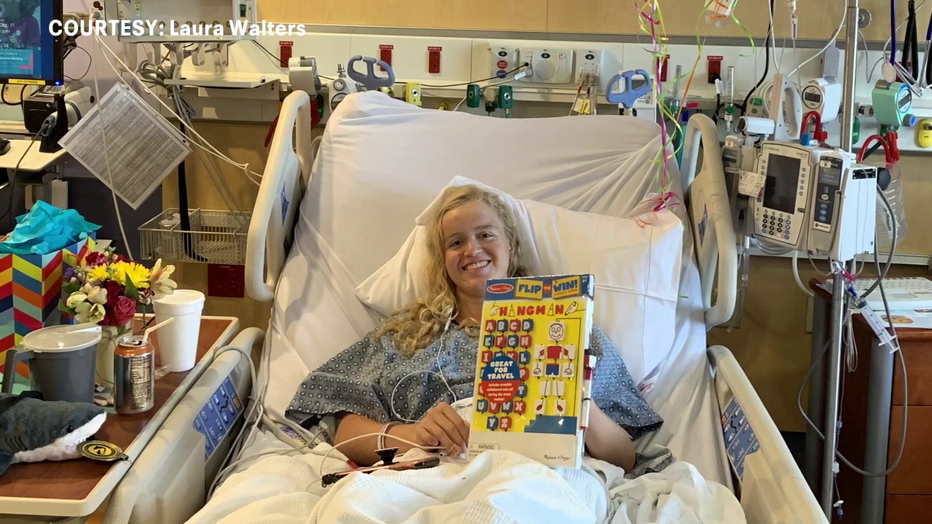
Courtesy: Laura Walters
The nonprofit, Who We Play For, is holding several ECG screening events ahead of the upcoming school year. The screenings are in partnership with BayCare Medical Group on May 16, May 30 and June 6 at different BayCare Medical Group locations.
You can find more information about how to register for a screening here.
The Source: Information for this story was gathered from interviews conducted with a BayCare Kids pediatric cardiologist, a parent whose child survived a sudden cardiac arrest and data from the Sudden Cardiac Arrest Foundation.