

Global carbon emissions hit record high, scientists warn of worsening climate disasters

Climate change concerns
More and more fossil fuels are being burned around the world as nations continue to miss the mark. FOX 13's Craig Patrick explains what could happen if this continues.
TAMPA, Fla. - Nearly 10 years ago, most nations signed the Paris Agreement to limit greenhouse gas emissions and slow climate change. But global pledges and follow-through have fallen short. As a result, carbon pollution is accumulating in the atmosphere, trapping heat and driving up temperatures worldwide.
What they're saying:
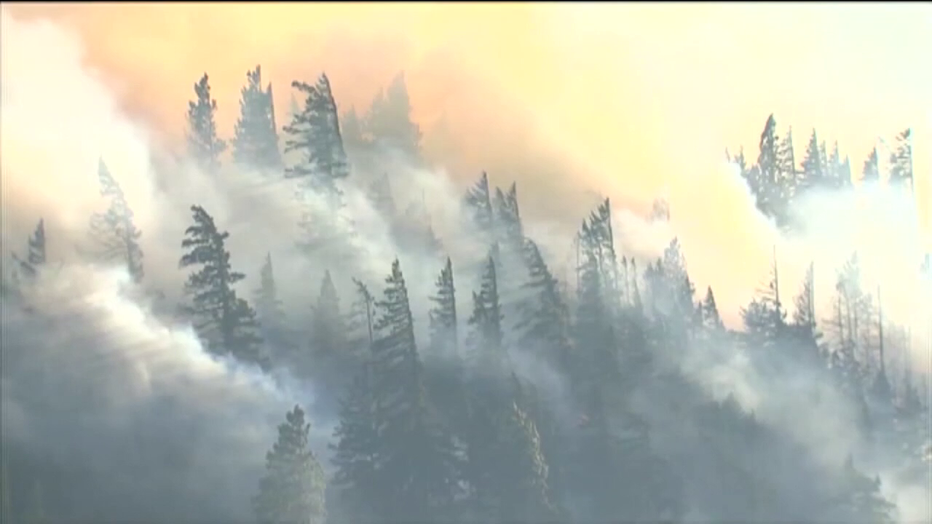
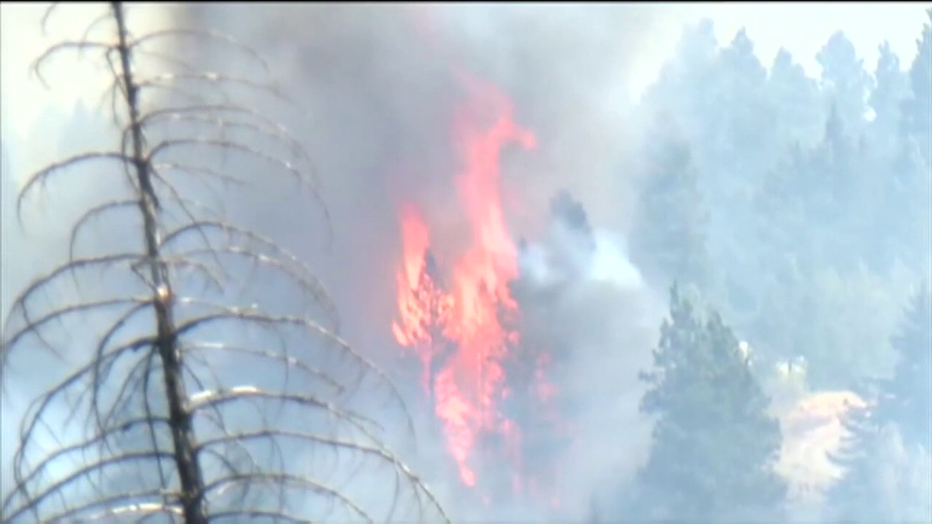
"Fires will be raging. Droughts will be happening. Tropical storms will be more intense and more frequent," Inger Andersen, executive director of the UN Environment Program, warns.
MORE NEWS: Florida Agriculture Commissioner urges caution as a risky fire season looms
According to the World Meteorological Organization, carbon dioxide levels hit a record high in 2024, with the largest single-year increase on record. Data for 2025 will not be available for several months, but environmentalists are not optimistic.
Ten years ago, the Earth had already warmed 1.1°C since the Industrial Revolution, and scientists warned that rising to 1.5°C would trigger more severe impacts. Current UN research indicates that limiting warming to 1.5°C is no longer likely or possible.
Adelle Thomas, climate adaptation chief at the Natural Resources Defense Council, emphasized the stakes.
"Every tenth of a degree counts… ocean heat waves and, you know, the destruction of coral reefs. It matters long-term when we think about sea-level rise."
The Political Context:
In the United States, climate mitigation has not been a priority. The Trump administration phased out clean-energy projects and incentives, rolled back environmental regulations and proposed lowering vehicle efficiency standards in an effort to reduce costs.
Internationally, climate conferences have failed to secure binding fossil-fuel reduction commitments, though some funding has been promised to help nations cope with the growing impacts of climate change.
What's next:
Scientists warn that the planet faces rising seas, extreme weather events and long-term environmental consequences if emissions continue unchecked. While some impacts are now unavoidable, proactive measures and international cooperation can still limit further damage and protect vulnerable communities.
The Source: This report is based on reporting by FOX 13 Political Editor Craig Patrick and data from the World Meteorological Organization.