

Nearly 20 Tampa Bay area restaurants still falsely claiming shrimp served is from the Gulf: ‘Massive problem’

TAMPA, Fla. - The Gulf shrimp on your plate might not actually be from the Gulf — and new testing suggests the problem isn’t going away.
What we know:
In January, SeaD Consulting, a food safety technology company, revealed that only two of 44 Tampa Bay area restaurants claiming to serve Gulf shrimp were actually doing so. This month, SeaD returned to re-test shrimp at 22 of those locations.
The results disappointed experts: Only three of the 22 restaurants were serving genuine Gulf-caught shrimp.
"Eighty percent of the restaurants we found [were] serving imported product," said SeaD founder David Williams.
Salt Shack on the Bay in Tampa passed the test both times. Two others — 4th Street Shrimp Store in Tampa and another that asked SeaD to remain anonymous — also showed improvement. Stillwater Tavern in St. Pete passed the test in January and was not re-tested.
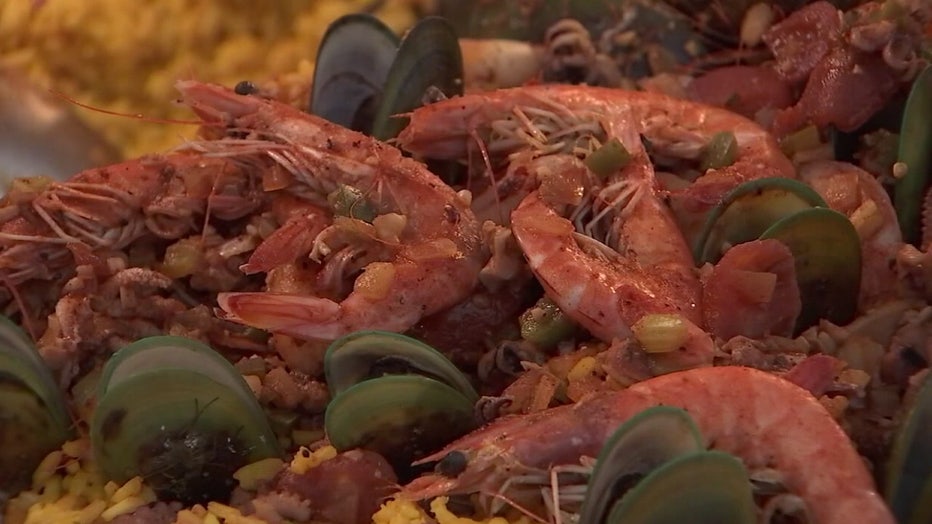
PREVIOUS: Study finds 96% of restaurants tested are lying about the source of their shrimp
SeaD has chosen not to release the names of restaurants that failed the test, citing concerns about fairness, as many untested establishments may also be engaging in similar practices.
The backstory:
Williams’ company was contracted by the Southern Shrimp Alliance late last year to conduct the tests. He said determining a shrimp’s origin is straightforward: DNA analysis can identify whether it’s a farm-raised species commonly imported from overseas.
"If it’s a farm-raised shrimp, then you know that it doesn’t come from the Gulf," he explained.
Imported shrimp, often from countries like India, Cambodia and China, is cheaper to buy, but many restaurants mark it up and market it as wild-caught Gulf shrimp, misleading customers and hurting domestic producers, experts said.
READ: Shrimpers for life: A Tampa legacy on the line
"It’s a massive problem, and it’s basically moving money away from Florida’s economy, sending it overseas," said Williams. "I want the commercial industry to survive, not die, because that’s a heartbeat of our culture on the coast."
Tampa's shrinking industry
Dig deeper:
Tampa’s once-thriving shrimping industry has been hit hard.
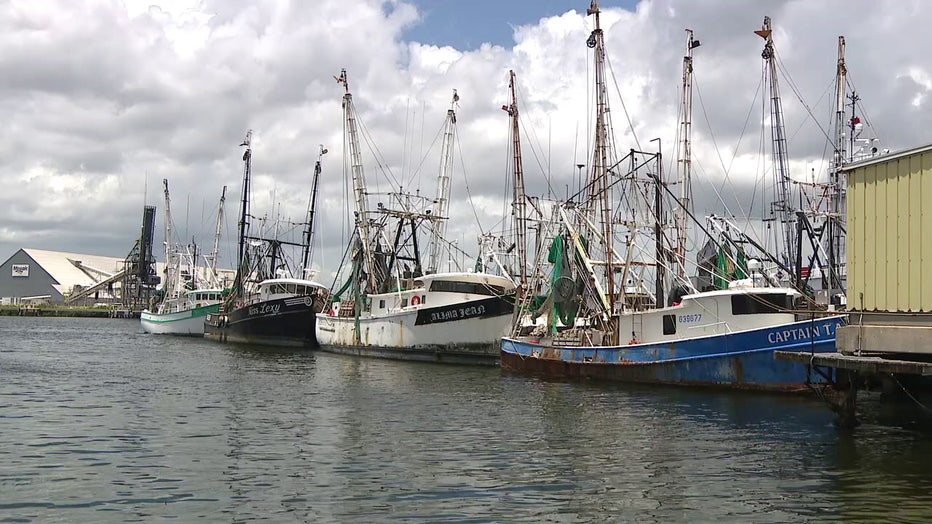
"We're really proud of what we produce," said Justin Versaggi, whose family has operated in the shrimping business for generations.
At its peak, the Versaggi operation had 55 working vessels. This year, they’re down to just five.
Salvator Versaggi said rising operational costs and the influx of mislabeled imported shrimp are driving local boats out of business.
MORE: Smokin' for generations: A St. Pete landmark
"They’re selling stuff that came from India and Cambodia and China, halfway around the world," he said. "I would just tell people to be cautious when they go into restaurants and so on and so forth. There's a lot of misleading information out there."
What they're saying:
The Southern Shrimp Alliance and SeaD hopes increased awareness will shift demand back toward domestic seafood. David Williams is now calling on lawmakers to strengthen labeling regulations and enforcement.
What's next:
SeaD Consulting plans to continue testing shrimp at restaurants in the Tampa Bay area and throughout Florida in the coming months.
The Source: Information for this story came from TV reporting and interviews with SeaD Consulting, the Versaggi shrimping family, Salt Shack on the Bay and the Southern Shrimp Alliance.