

Orban’s Nursery makes dramatic comeback after losing every Poinsettia in 2024 storms

Orban's Nursery continues poinsettia tradition
Orban's Nursery in Bradenton is continuing their poinsettia tradition this holiday season.
BRADENTON, Fla. - One of the Bay Area’s most vibrant holiday traditions returned on Saturday as Orban’s Nursery in Bradenton displays and sells 50,000 poinsettias at its annual holiday kickoff.
The celebration marks a major milestone for the fourth-generation family farm, which suffered a devastating blow in 2024 when back-to-back hurricanes wiped out their entire crop.
Hurricane Helene flooded and destroyed every poinsettia on the property. Two weeks later, Hurricane Milton tore through Manatee County, shredding buildings, collapsing shade structures, and blowing away the screens that protect the plants.
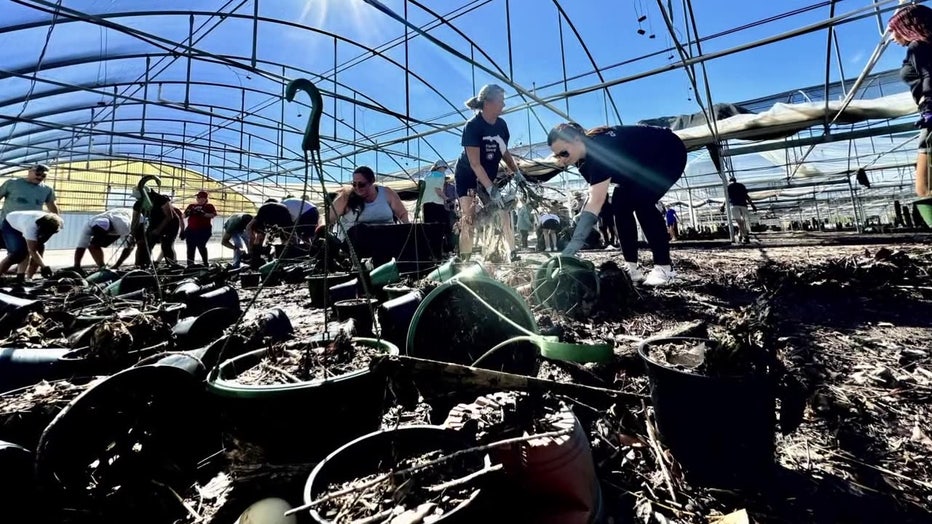
What had been a thriving, 110-year-old family business was reeling, and could have been on the brink of collapse.
Tyler Orban, who runs the family nursery, said the farm lost "100% of the poinsettias we grew" and spent months "trying to put the pieces back together." What followed was a community-driven comeback that brought the operation back to life.
How they rebuilt
With help from neighbors, customers, and volunteers, the Orban family rebuilt their structures, restored their growing systems, and restarted production months after losing everything. Today, their greenhouses are once again filled with rows of bright red, white, and pink poinsettias.
Before the storms, Orban’s Nursery produced roughly 250,000 poinsettias each season, shipping to multiple states. This year, they’ve grown 50,000 — a fraction of their usual output but a remarkable achievement just one year after a total loss.
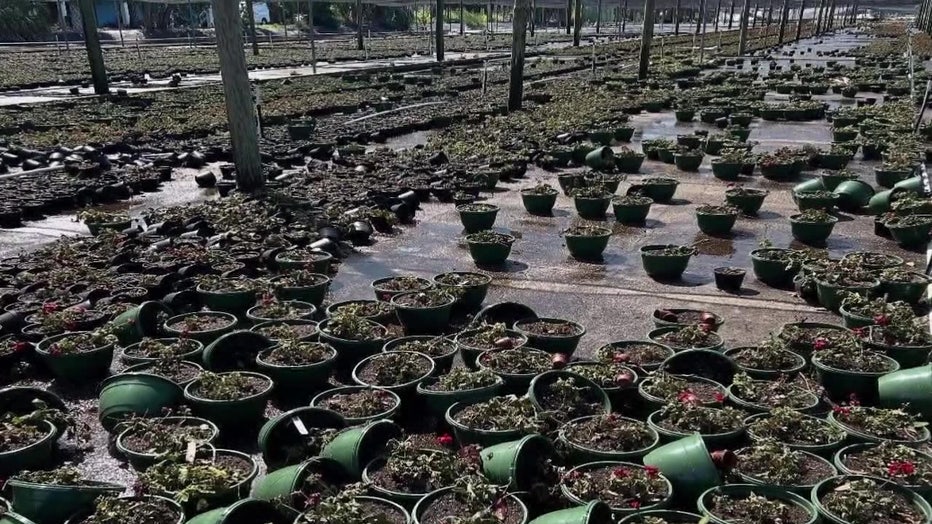
The nursery provides poinsettias for fundraisers, garden centers, landscapers, and local retailers. Despite the scaled-down season, Orban said customer support helped keep the family business alive.
How Poinsettias are grown
As they do every year, the Orbans began their new crop in July with live, unrooted cuttings sourced from around the world — including Ethiopia, Guatemala, and Mexico. The cuttings must be planted quickly because they are perishable and need to remain cool until rooting.
READ: St. Pete Beach's Postcard Inn on the Beach reimagined, renamed after hurricane damage
By early October, the plants begin taking shape. A few weeks later, their colors start to appear, triggered by shorter days during the fall season. By Thanksgiving, the nursery is filled with bright, iconic reds associated with Christmas.
The backstory:
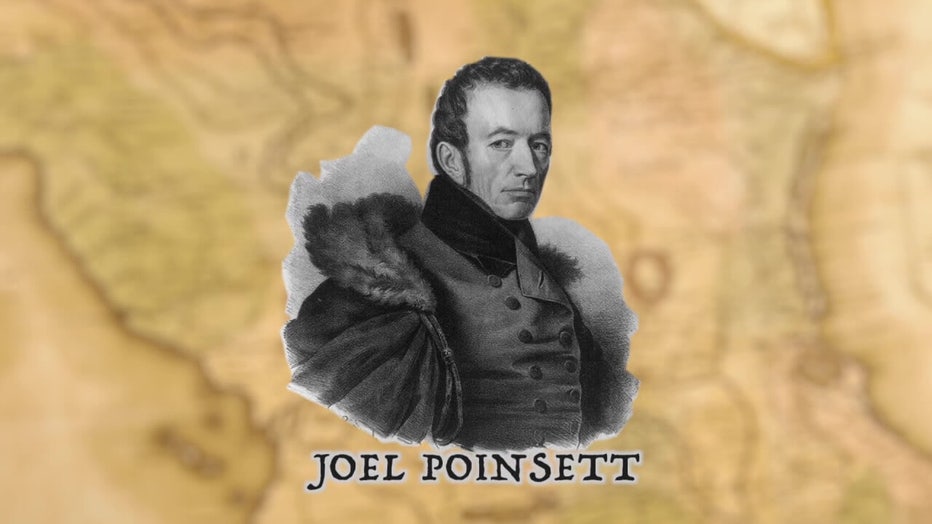
Poinsettias are native to Mexico, where a popular legend tells of a young girl who placed weeds at a nativity scene. According to the legend, they miraculously bloomed into bright red star-shaped flowers. The plant later made its way to the United States through Joel Poinsett, the first U.S. ambassador to Mexico, who introduced it in the 1800s — and lent the plant his name.
Its national popularity surged thanks to the Ecke family in Southern California, who famously supplied massive poinsettia displays to Johnny Carson’s Tonight Show for years. The exposure helped cement the plant as a modern Christmas staple.
Even today, people debate how to pronounce it. Dictionaries recognize both "poin-SET-ee-uh" and "poin-SET-uh."
The Orban family began growing poinsettias in the 1940s and has supplied much of the Eastern United States from Ohio to Florida. They’ve operated in Bradenton since 1954.
The Orban family’s comeback is one of the most colorful revival stories in Florida agriculture this year. After enduring catastrophic flooding and structural destruction, their successful return reflects both the resilience of a century-old family business and the community that rallied around it.
CLICK HERE:>>> Follow FOX 13 on YouTube
The Source: Information for this story was gathered by FOX 13's Craig Patrick.