

Squeezing out the red tape: Modernizing America's orange juice standards to aid domestic farmers
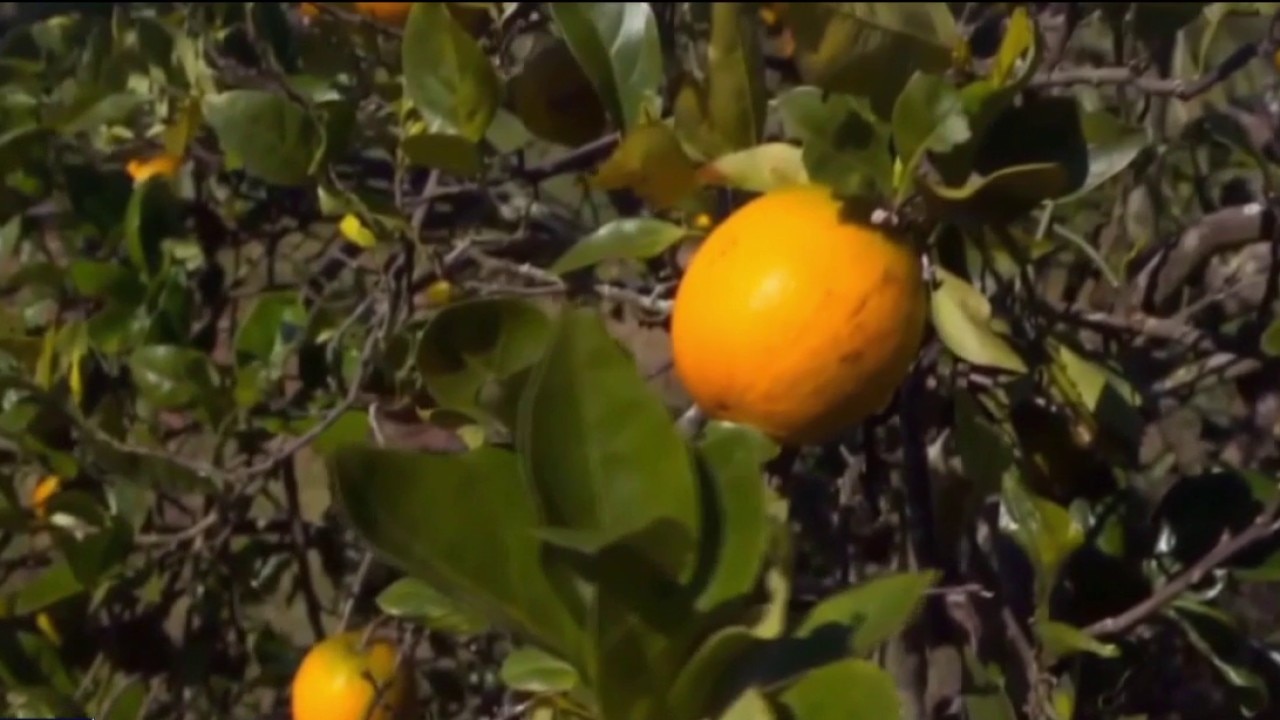
FDA updating decades-old orange juice rule
A new Food and Drug Administration regulation will lower the minimum sugar content for pasteurized orange juice, a change that the Trump administration says will advance the "America First" agenda, officials announced in Lakeland on Friday. FOX 13's Carla Bayron reports.
LAKELAND, Fla. - A new Food and Drug Administration regulation will lower the minimum sugar content for pasteurized orange juice, a change that the Trump administration says will advance the "America First" agenda, officials announced in Lakeland on Friday.
New orange juice standards
What we know:
According to the U.S. Department of Health and Human Services, natural causes have forced the nation's orange juice companies to import citrus from foreign competitors.
"The hurricanes and the freezing temperatures which happened between 2017 and 2024 really aggravated this issue, and the citrus growers didn't petition until the Biden administration. President Trump was unaware of this issue until Senator Moody brought it to his attention," U.S. Secretary of Health and Human Services Secretary Robert Kennedy Jr. said.
Since 1963, the standard Brix level for pasteurized orange juice has been at a minimum of 10.5 degrees. The new rule allows the minimum dissolved sugar content to drop to 10 degrees, according to a press release.
"Updating the minimum Brix standard is about modernizing regulations so they reflect today's science and growing conditions. This common-sense change allows processors to rely more heavily on Florida-grown oranges instead of being forced to blend with imported juice simply to satisfy an outdated requirement," Florida Farm Bureau President Jeb Smith said.
Ending foreign citrus reliance
Why you should care:
Officials said that despite citrus growers having high-quality fruit, they have been forced to import oranges with higher sugar content to meet the old standard. The release stated that due to severe weather and citrus greening disease, Brix levels in domestic fruit have naturally declined.
The change will stop reliance on imports and unleash American agriculture, according to Kennedy.
The new rule will end an "outdated regulation that forced American orange juice producers to rely on imports and an obsolete sugar standard," Kennedy said.
The press release stated that the safety, quality and taste of the juice will remain the same.
U.S. Senator Ashley Moody has been a strong advocate of the rule change to protect American citrus growers, according to the department.
"Today is proof that the juice was worth the squeeze," Moody said. "Florida’s citrus farmers are an integral part of Florida’s culture, and I will always fight to ensure they have the support they need to continue growing and making a living."
The press conference was held at Bonnet Springs Park in Lakeland.
Remaining juicy questions
What we don't know:
Officials have not yet confirmed the exact date when consumers will see the newly standardized bottles on grocery store shelves. It remains unclear how quickly domestic growers will completely phase out their current reliance on foreign citrus imports.
The Source: The information in this story was gathered from a press release from the U.S. Department of Health and Human Services and a press conference held in Lakeland.