

Tampa Bay area restaurants struggle: More than 20 local spots close or rebrand
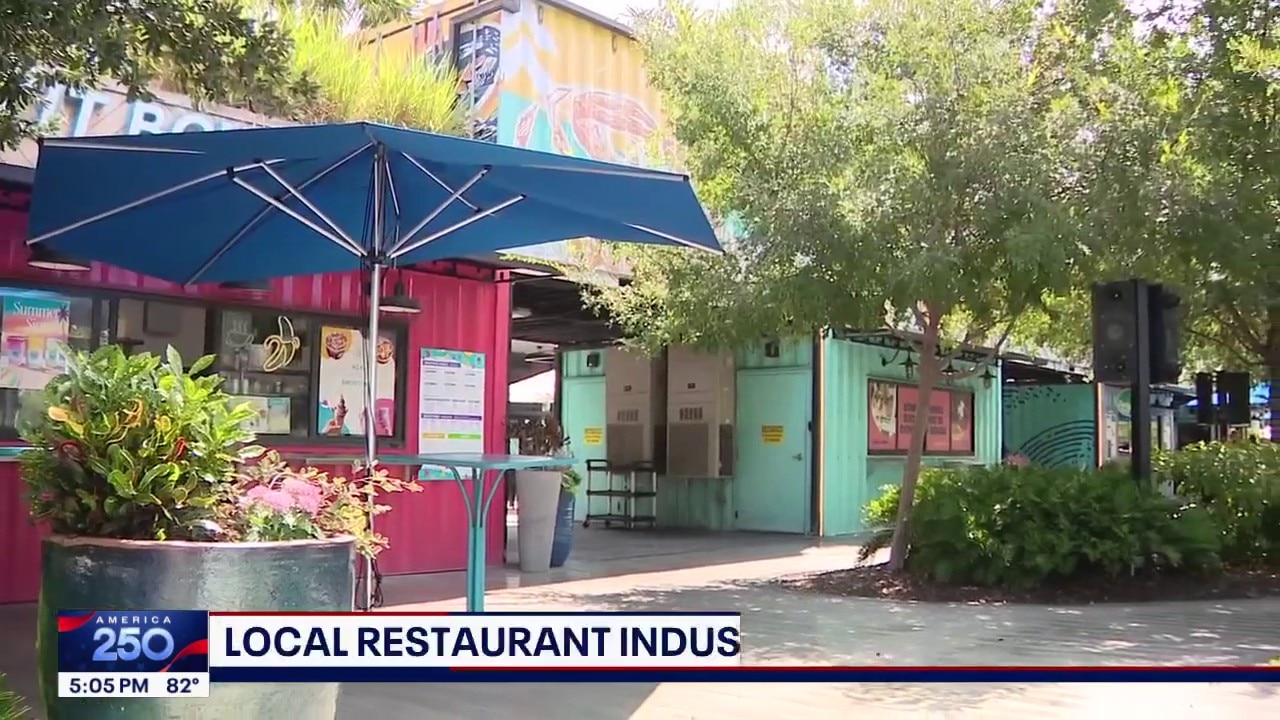
Bay Area restaurant industry faces challenges
It’s been a rough six months for the restaurant industry across the Bay Area with dozens announcing plans to close or rebrand. FOX 13’s Aaron Mesmer reports.
TAMPA, Fla. - The dining landscape across Tampa and St. Petersburg is enduring a massive wave of disruptions as more than a dozen local eateries pull down their blinds or change strategies.
Florida restaurant industry shifts
What we know:
Local foodies note that higher dining tabs directly change how often they eat out at regional spots. Regular patron Jimmy Ngo said that price factors changed his household habits from eating out three times a week down to just once a week.
According to Zachary Leonard, a specialist with Tampa-based Revenue Management Solutions, a combination of soaring fuel costs, incoming tariffs and strained consumer wallets has triggered a severe economic squeeze.
Community impact and job stakes
Why you should care:
When a neighborhood dining spot folds, the fallout spreads rapidly across the regional workforce, commercial storefronts, and consumer choices. Independent, homegrown eateries face the steepest hurdles because they lack the deep financial safety nets of massive corporate chains.
Leonard explained that in a fast-growing city, the timeline for a new establishment to secure traction is incredibly brief before initial capital vanishes entirely.
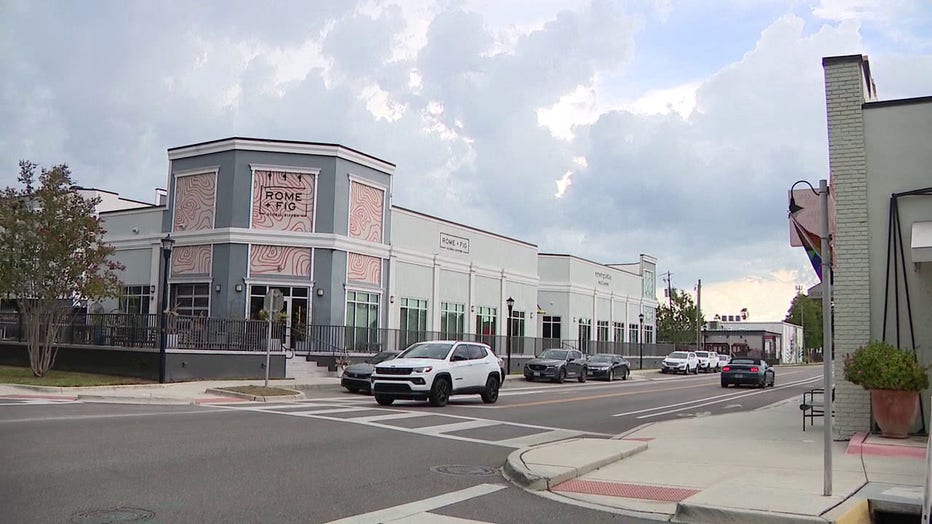
Closing by the numbers
By the numbers:
Longtime community fixtures pulling the plug or shifting concepts include the Rusty Pelican, Haven, Tampa Bay Brewing Company, and Red Mesa Cantina. Newer brands like Rome + Fig have also shut down and TNT Burger plans to close its brick-and-mortar restaurant in South Tampa, while continuing to operate its original food truck and its location in north Tampa on Dale Mabry.
Meanwhile, some business owners are pivoting rather than quitting outright, with Gen X Tavern and Daily Eats preparing to restructure under fresh names and menus.
Survival in the big picture
Big picture view:
Bumping up menu prices can backfire on businesses attempting to offset their growing overhead costs. Instead, industry consultants advise owners to focus heavily on superior customer service to build a base of repeat diners.
Leonard suggested that staying relevant requires careful pricing alongside major investments in training managers and staff to deliver unforgettable guest experiences. Ngo lamented that while many spots survive, an alarming number of hometown favorites are disappearing completely.
Next steps for local dining
What's next:
New startups entering the local market face a narrow three-to-six-month window to achieve profitability before running into major financial stress. While well-funded national brands possess the capital to absorb losses from underperforming spots, independent mom-and-pop operations must navigate a highly cautious consumer spending environment.
The Source: The information in this story was gathered from first-hand interviews with Tampa Bay restaurant customer Jimmy Ngo, who detailed changing consumer habits, as well as Revenue Management Solutions consultant Zachary Leonard, who explained the overarching economic challenges facing independent business owners.