

While the US looked up during Artemis II, USF researchers were listening to the ground
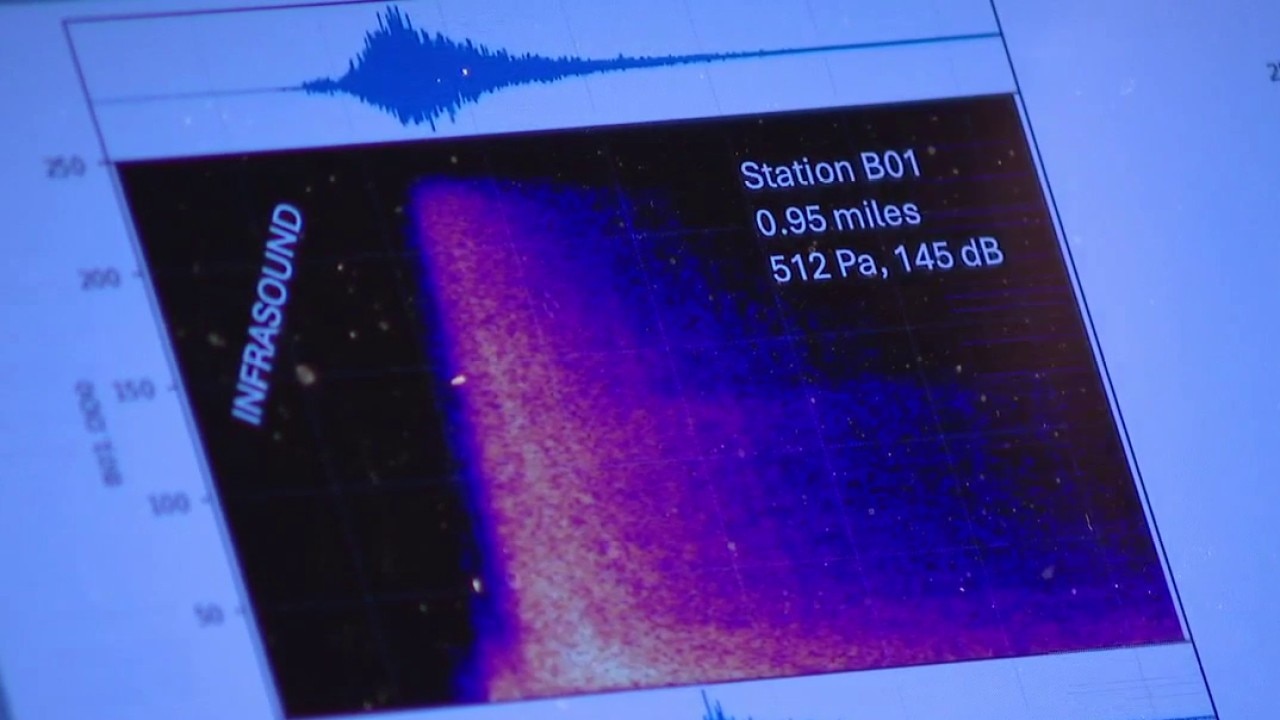
USF scientists study Artemis II launch impacts
The Artemis II mission kept us glued for updates, even the scientists at the University of South Florida. Local researchers paid attention to the ground as the rest of us looked up so they could capture sound waves from the rocket as it lifted off. FOX 13's Briona Arradondo reports.
TAMPA, Fla. - Researchers at the University of South Florida paid attention to the ground as the rest of the U.S. looked up during the Artemis II launch, all so they could capture sound waves from the rocket.
Big picture view:
Seismologist Glenn Thompson and his team at the University of South Florida used the Artemis II rocket launch on April 1 to measure sound waves.
Thompson said they usually study volcanoes as part of the USF Seismology Group, but they’ve set up equipment at the Kennedy Space Center for the last 10 years.
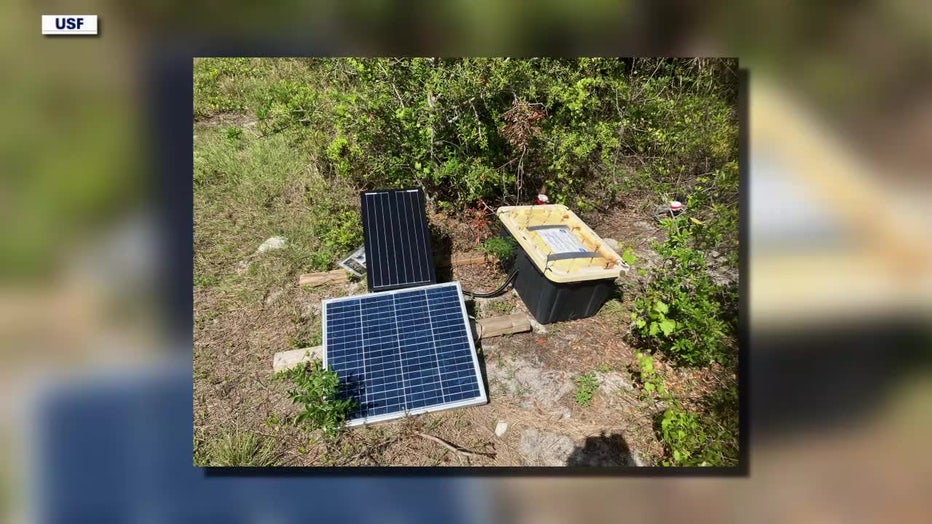
Courtesy: University of South Florida
"Every time that there's a newsworthy launch, we make an extra effort to record it. And I mean, there's been nothing bigger than this," Thompson said. "The primary information that we capture is the peak seismic ground shaking and the peak pressure in the air from the rocket launches."
Dig deeper:
To get the data, Thompson and a team at USF put out dozens of seismometers and other equipment in the ground around Merritt Island. Picking up something far greater than the latest Falcon 9 launches.
"The thrust of the rocket is about five times as much. So, we really wanted to capture this because it's the most powerful rocket launch from Kennedy Space Center since Saturn V. But I think it's more powerful than Saturn V, so that was 1967 to 1972," Thompson said.
Why you should care:
The rare sounds you can and cannot hear through the ground and air matter to more than just scientists.
"That's something that structural engineers use to build resilient structures. And with larger launches happening, a lot of the infrastructure hasn't been tested at that level before, so they're interested in getting these kinds of primary measurements," Thompson said.
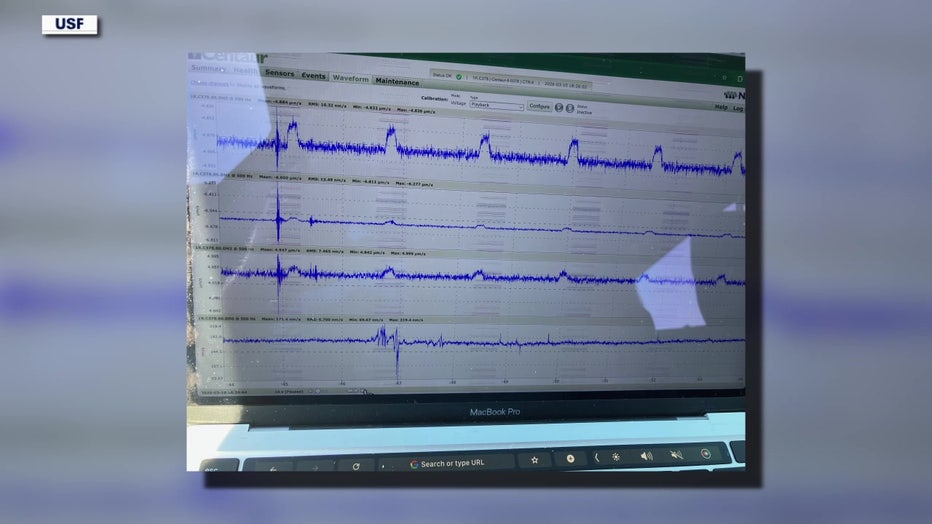
Courtesy: University of South Florida
He said it also helps wildlife biologists learn what is happening to the surrounding environment, and it helps archaeologists find out impacts to historic sites.
"When you can use something as powerful as a rocket launch to do that, you can send waves much deeper, you can image much greater depths, you can understand things on a much larger scale," Thompson said.
What's next:
The plan now is to scale up. Thompson said NASA’s Marshall Space Flight Center is working with USF for a future SpaceX Starship launch. He added that they plan to deploy 75 stations with sensors to capture that data.
"We have experience now of putting this equipment out in the field, how to process the data," Thompson said. "So, we'll have all these workflows built and kind of well-drilled when it comes to putting out a lot more stations."
Thompson said they will dig into the peak amplitude data collected by next week, but research papers with geological models can take months.
The Source: The information in this story was gathered through an interview with University of South Florida seismologist Glenn Thompson by FOX13’s Briona Arradondo.