

USF researchers use AI and satellite technology to target mosquito breeding grounds amid dengue outbreak
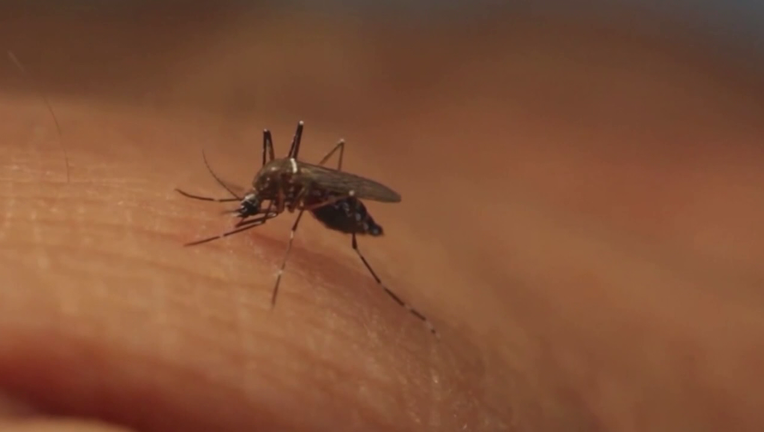
TAMPA, Fla. - USF researchers are using high-tech tools to help fight the dengue fever outbreak in Tampa Bay, working with the Florida Department of Health to find and eliminate mosquito breeding grounds before the insects have a chance to multiply.
AI mosquito tracking
What we know:
The effort takes a more targeted approach than traditional mosquito spraying, which can cover broad areas from the air and the ground.
Researchers use artificial intelligence to identify locations where mosquitoes are likely to breed, including small pockets of standing water in items such as discarded tires, birdbaths and flowerpots.
The team then uses satellite imagery to identify potential mosquito habitats within about 10 meters. Geographic mapping helps narrow down the locations, so crews can target the specific breeding sites.
USF researchers recently demonstrated the technology to Department of Health workers, explaining how the approach could help identify areas that broader mosquito-control efforts might miss.
Targeted eradication strategy
What they're saying:
Dr. Benjamin Jacob, who’s leading the effort with USF's Department of Biostatistics and Data Analysis, said identifying smaller breeding sites is critical to controlling mosquito populations.
"[The county has] done some spraying, but is that enough? Do we need it have a ground deploy?" Jacob said. "I look at things very militaristic. I work in Africa with malaria. And I know that smaller habitats can have a lot of immature [mosquitoes]."
Jacob said finding those habitats is central to the team's strategy, which he calls "Seek and Destroy."
"My program is called Seek and Destroy. We find it and we destroy it. Rather than just treating everything with insecticide," Jacob said.
USF researchers say residents can apply the same targeted approach around their own homes by looking for standing water where mosquitoes can lay eggs.
Even small amounts of collected water can create potential breeding sites. Birdbaths, flowerpots, discarded containers and old tires are among the places residents should check.
Outbreak by numbers
By the numbers:
Florida has reported 425 dengue fever cases, according to the latest report released by the Florida Department of Health. Of those, 346 cases are in Hillsborough County, accounting for more than 80% of the state's reported total.
Ongoing health response
What's next:
Researchers will continue working with state and local health officials to help locate mosquito breeding habitats and improve efforts to control the insects spreading dengue fever.
USF researchers say residents should regularly inspect their yards and dump out standing water to help prevent mosquitoes from breeding.
The Source: Information for this story came from an interview with Dr. Benjamin Jacob and the Florida Department of Health.