

Veterans scam warning: BBB issues fraud alert for military community
Scammers targeting veterans
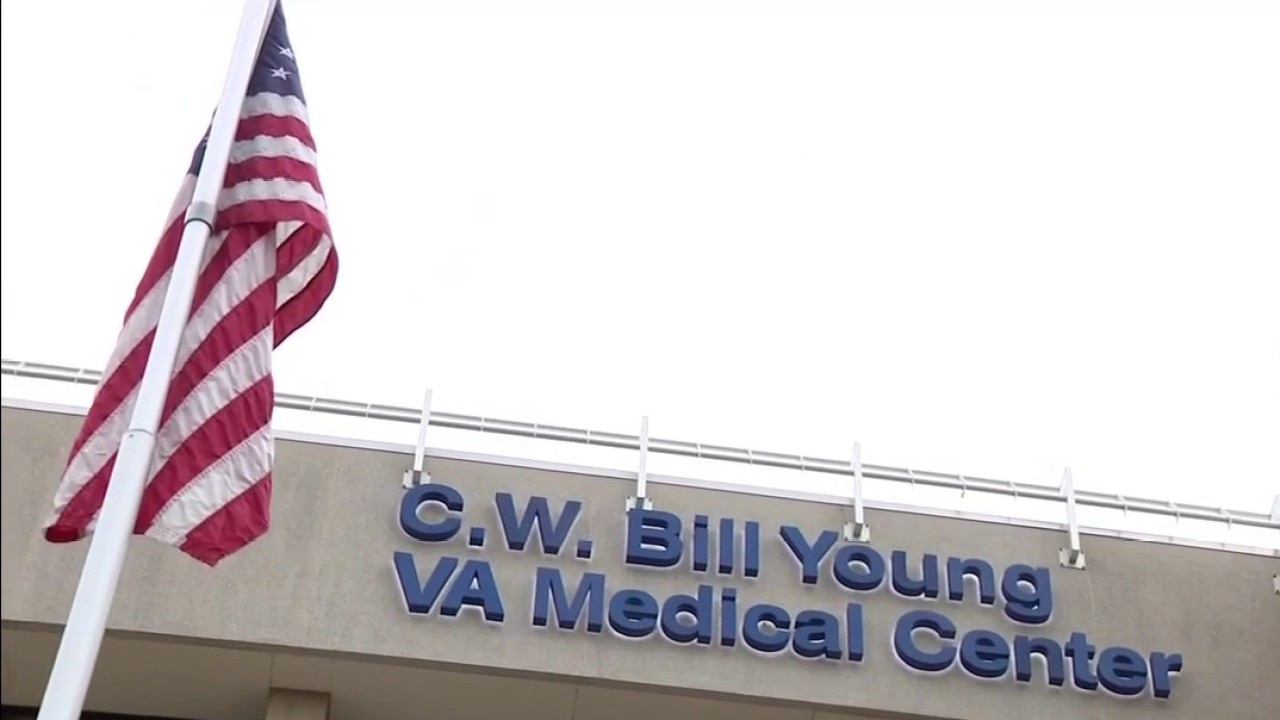
As we remember the sacrifices of our service members, the BBB has issued a scam alert warning about scammers targeting veterans. FOX 13's Genevieve Curtis reports.
TAMPA, Fla. - Consumer advocates are warning that scammers are increasingly targeting veterans and military families with sophisticated fraud schemes designed to steal money and personal information. The warning comes as Americans honored those who served on Monday.
Retired Air Force veteran Jack Porath said it is upsetting to see scammers prey on those who served their country.
"It’s absolutely deplorable what they are trying to do is scam the veterans," Porath said.
Military community fraud tactics
What we know:
Consumer advocates say one of the most common scams involves fake emails, phone calls, or text messages claiming there is a problem with a veteran’s benefits. Some messages falsely tell veterans they were overpaid by the Department of Veterans Affairs and need to return money, while others claim direct deposit information needs to be verified or that a payment is required to keep benefits active.
The Department of Veterans Affairs recently released a warning about the growing overpayment scam and reminded veterans that the agency will never ask for login credentials or demand upfront payments to protect benefits. Better Business Bureau officials say the fraudulent messages often look convincing, using realistic logos, official-sounding language, and urgent requests to pressure victims into acting quickly.
Financial losses from fraud
What we don't know:
While the exact number of local service members affected this month remains unclear, tracking systems show a continuous rise in reported military fraud.
Officials have not yet determined how many specific individuals fell victim to the latest overpayment texts or how much money was stolen during this specific holiday period.
Military records exploited
The backstory:
According to the Federal Trade Commission, military consumers reported losing $684 million to fraud last year. Experts say scammers can use publicly available military records and cross-reference them with enrollment or benefits information to make their scams appear more legitimate.
A FOX13 review of the Better Business Bureau Scam Tracker also shows veterans reporting a variety of scams, from fraudulent offers to increase disability payments to fake home loan-related schemes.
Recurring military schemes
By the numbers:
The Better Business Bureau warns against several recurring scams targeting the military community:
- Veterans’ benefits buyout plans: These plans offer a cash payment in exchange for a disabled veteran’s future benefits or pension payments, but the cash amount is only about 30% to 40% of what the veteran is entitled to.
- Misleading car sales: Websites posting classified ads offer false discounts for military personnel or claim to be from soldiers who must sell their vehicles fast due to deployment, requiring upfront fees via wire transfer.
- Fake military discounts: Scammers advertise deep military discounts on vehicles, electronics, or apartments, ask for payment upfront, and then vanish.
- Expensive life insurance policies: Military members are targeted with high-pressured sales pitches offering unnecessary, expensive life insurance policies with false statements regarding the benefits.
Protecting personal information
What you can do:
Those working to protect veterans say the warning signs are often the same as other scams, including unsolicited calls, requests for money, threats, or promises that sound too good to be true.
Consumer advocates urge veterans to verify any communication directly through the official website of the Department of Veterans Affairs or by calling the agency before sharing personal information or sending money.
Advocates say never wire money or use applications like Zelle or Cash App to send money to anyone. Anyone who accepts gift cards or cryptocurrency as payment is also likely a scammer.
The Source: The information in this story was gathered from the Better Business Bureau Scam Tracker, which compiled fraud reports from veterans, as well as the U.S. Department of Veterans Affairs and the Federal Trade Commission, who provided official data and consumer warnings.