

Bay Area doctors explain how to reduce colon cancer risk after James Van Der Beek’s death
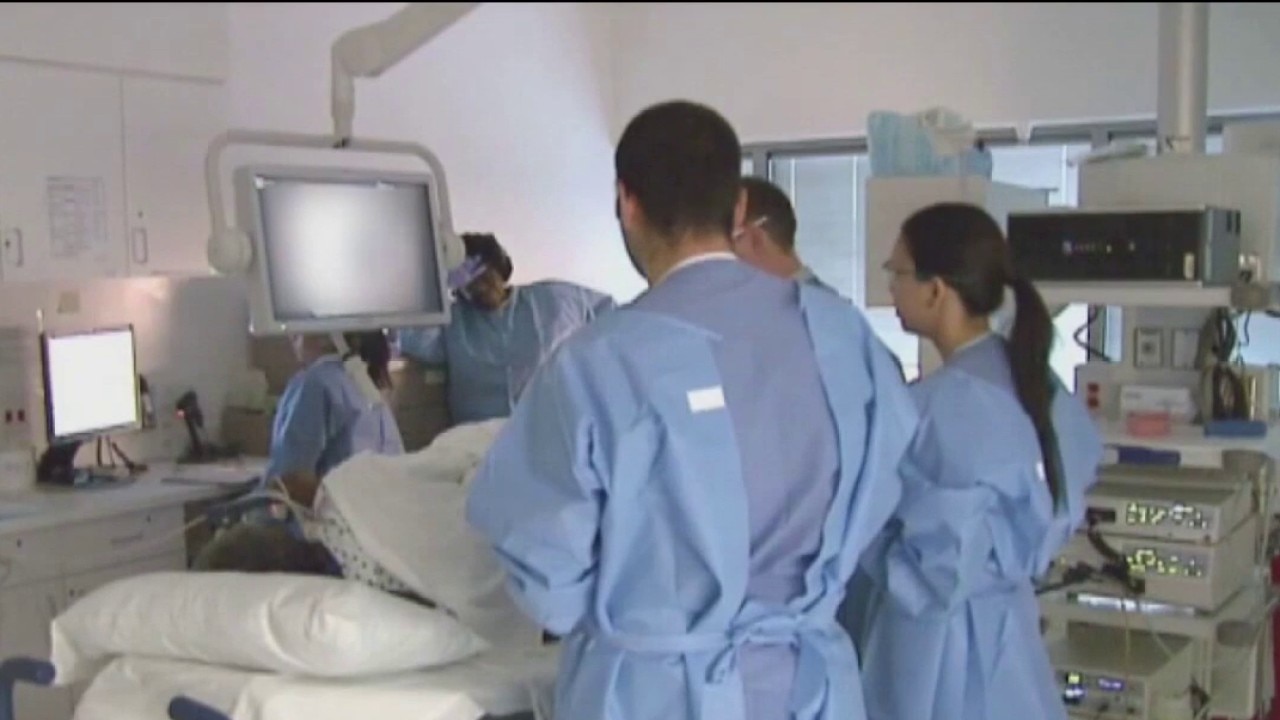
TAMPA, Fla. - Doctors are warning patients that colon cancer is on the rise in people under 55.
The National Cancer Institute says colon cancer is now the leading cause of death for adults aged 20-49 and with the death of 48-year-old James Van Der Beek this week, colon cancer is getting a lot of attention.
What we know:
Doctors explained that there are things you can do to prevent your risk of colon cancer.
"There's not a reason to panic," Dr. Jorge Marcet, a colorectal surgeon and the medical director of colorectal surgery services at Tampa General Hospital, explained. "It's not an epidemic of colon cancer."
RELATED: Doctors urge getting checked as colon cancer rises in the U.S.
He said hope is not lost, but this is something to take seriously. Statistics show 10% of colon cancer diagnoses happen before the age of 50. Just 20 years ago, in the early 2000s, that number sat at 5-7%, according to the Mayo Clinic.
"There's now new data pointing out that it is most likely diet-related," Marcet said.
Reducing colon cancer risk
What they're saying:
Doctors suggest improving your diet and trying to eat mostly whole unprocessed foods.
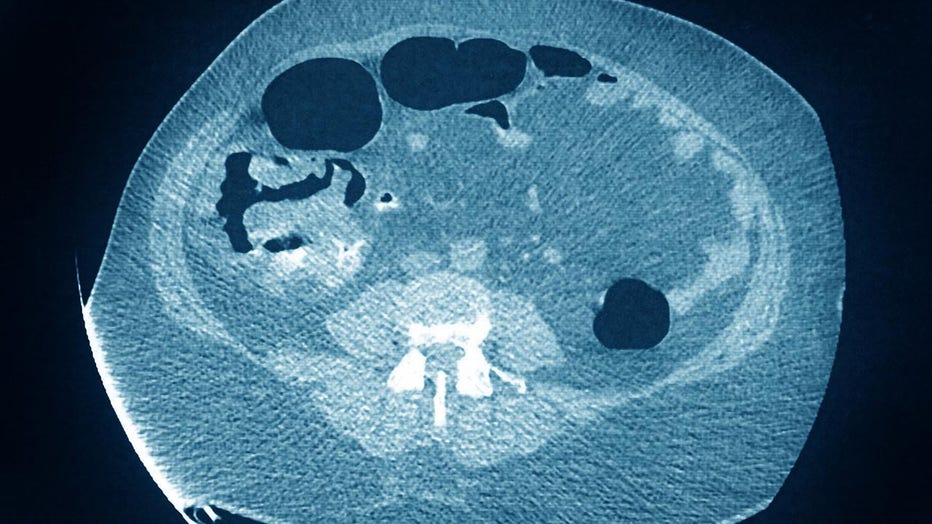
"We're talking about fresh greens, fresh vegetables and variety in the vegetables that we eat can give you the most nutrients to support a healthy microbiome," Marcet said.
You should also reduce processed foods, especially processed meats, including bacon and lunch meat.
"Processed food is a treat," Marcet said. "Just don't make it every day and multiple times a day."
Dr. Alexander Lake, an osteopathic gastroenterologist at Advent Health Carrollwood, said increasing your fiber intake is important for colon health.
"Take some type of fiber supplement like Benefiber or Metamucil to get a good amount of around 25 to 30 grams of fiber per day," Lake explained.
This reduces your risk of colon cancer.
"I think the studies have shown around 7% [reduction in colon cancer]," Lake said.
Big picture view:
Another key: Drink more water, reduce alcohol and stop smoking.
"If there's not a lot of water there, you have a lot of hard stool running through there," Lake said. "The hard stool pushing against the mucosa of the colon in turn can cause inflammation."
"Excess alcohol intake can lead to an increase in colon cancer, a sedentary lifestyle, and lack of exercise," Marcet said. "All these things have been shown in large studies to increase the risk of colon cancer."
RELATED: Colorectal cancer: Symptoms and what causes it
They also suggest improving your gut microbiome to reduce inflammation.
"You can wipe out your gut microbiomes," Marcet said. "So, some people take probiotics after that. Natural probiotics are found in fermented foods, yogurt, kimchi."
Scientists are now linking a healthy gut microbiome to a decreased risk of heart disease, inflammatory disease and even Alzheimer's disease.
What you can do:
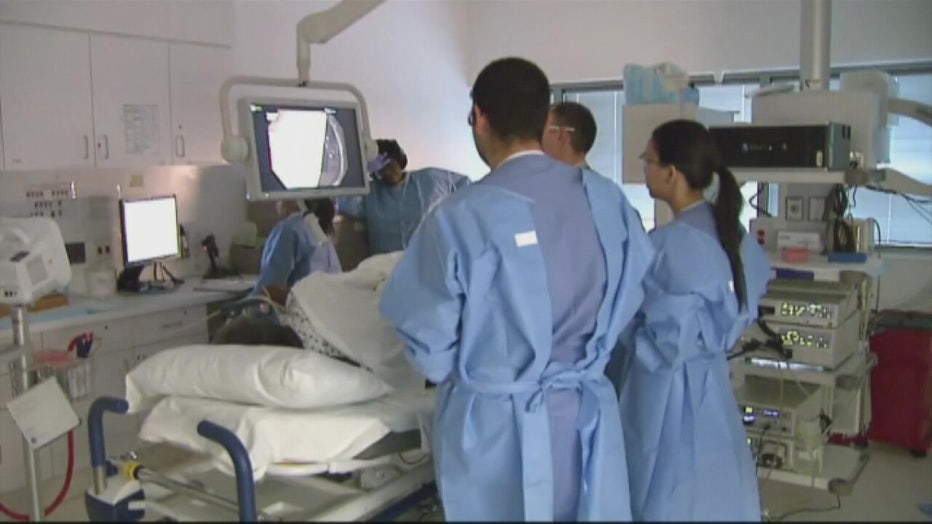
Doctors said the most important thing you can do is get a colonoscopy. Most people should get their first one at 45 unless you have a family history of colon cancer.
The Source: Information in this story comes from interviews done by FOX 13's Danielle Zulkosky.