

Bay Area nonprofit helps battle the 'summer slide' with everyday reading tips for kids
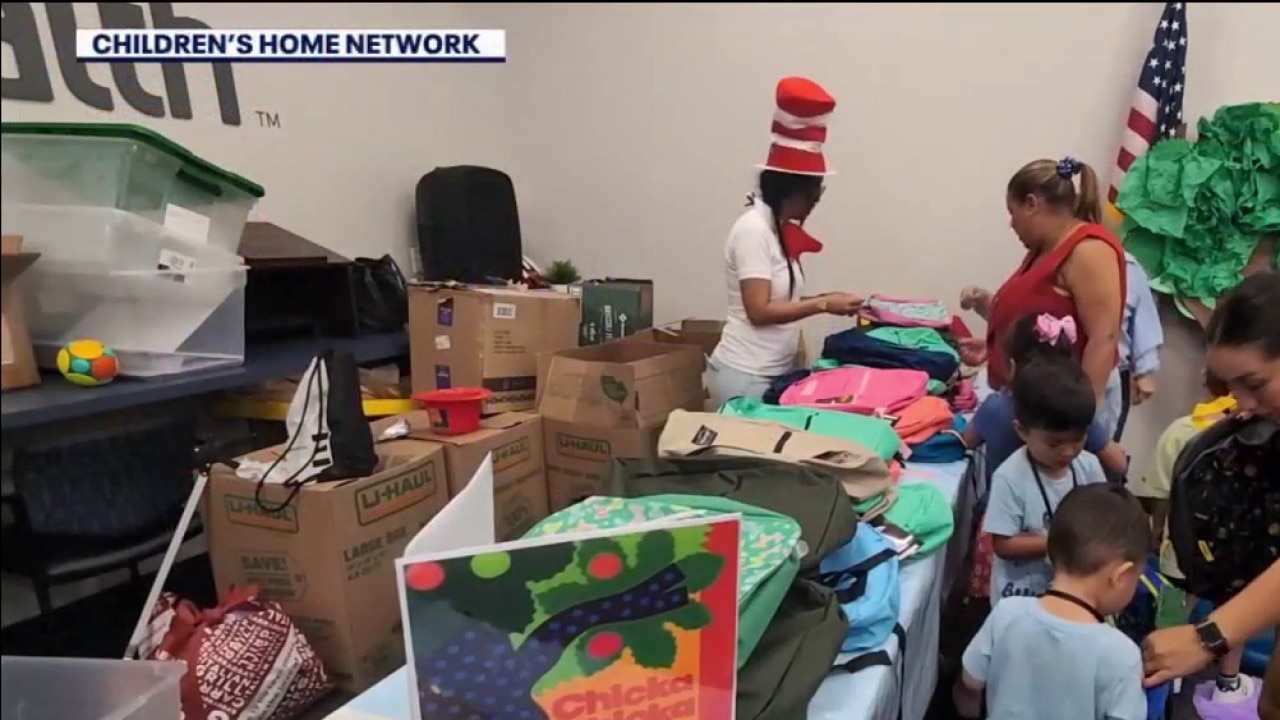
Literacy program aims to prevent the summer slide
Kids are probably counting down the days until summer break. Putting the books away for too long can come at a cost. Harvard researchers say Florida already ranks last in reading for grades three through eight. A non-profit is working to combat the summer slide. FOX 13's Ariel Plasencia reports.
TAMPA, Fla. - As summer break approaches, local educators and parents are fighting the "summer slide" by integrating literacy into everyday activities to keep children engaged.
Florida last in national reading study
By the numbers:
The Education Scorecard – which is a collaboration between researchers at Harvard University, Stanford University and Dartmouth College – released a study in May, showing Florida ranks 35th out of the 35 states they studied for reading. They looked at state test results for students in third through eighth grade between 2022 and 2025.
Reading struggles
Staff with the Hillsborough County nonprofit, Children’s Home Network, have seen some of the state’s reading challenges firsthand.
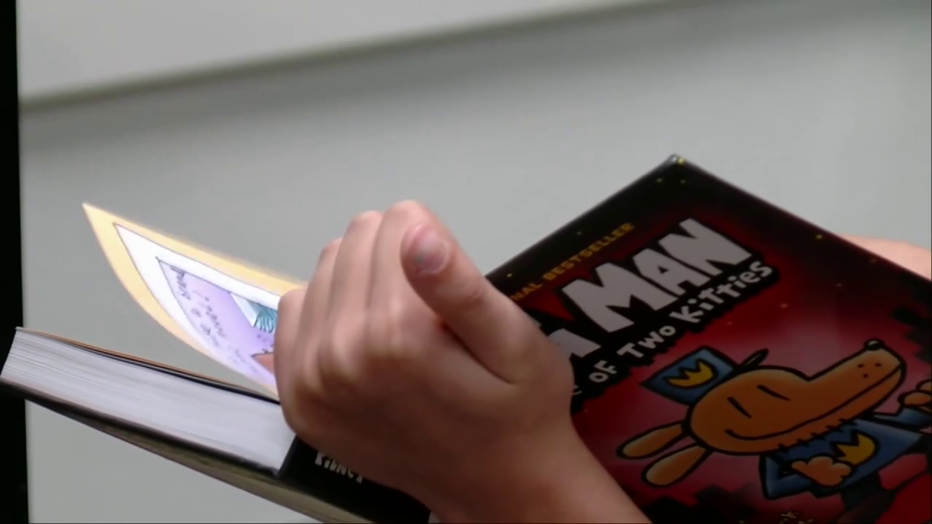
"A lot of our kiddos are coming in with two to three grade levels behind," Tosha Johnson, the SEEDS program director at the Children’s Home Network, told FOX 13. "Right now, I can think of a fourth grader who came into our program recently who's reading at a first grade reading level."
Support expands as demand grows
The backstory:
The Supporting and Empowering Educational and Developmental Services (SEEDS) Program already helps around 425 kids – ages three-years-old up to fifth grade – boost their reading levels. They also teach parents how to keep those skills sharp at home.
But right now, demand is outpacing the supply.
"It’s one of our biggest challenges. We have close to 300 children who are waiting for SEED services," Johnson said.
Reinforcing reading at home
What you can do:
While families wait for a spot, staff with the SEEDS program invites them to literacy workshops and sends them resources. They also provide sneaky ways parents can slip learning and reading practice into everyday life.
Experts recommend turning on closed captioning when watching television, so children can see and hear words at the same time. Parents can also have children write out the grocery list or help with dinner.
"They're now reading recipes, so they're having to go through, read the recipe, and maybe even jot down what they need. So that can be like a reading as well as a math [lesson]," Johnson said.
Daily literary practice
What they're saying:
Vera Gilmore is a Bay Area mom of four biological children. The special education teacher and author is also a foster parent – so she knows the end of the school year can be tough!
"I know every parent can relate to the whole ‘dress your kid up for this day,’" Gilmore said, giving just one example of many typical end-of-year festivities. "So, it’s exhausting those last couple weeks!"
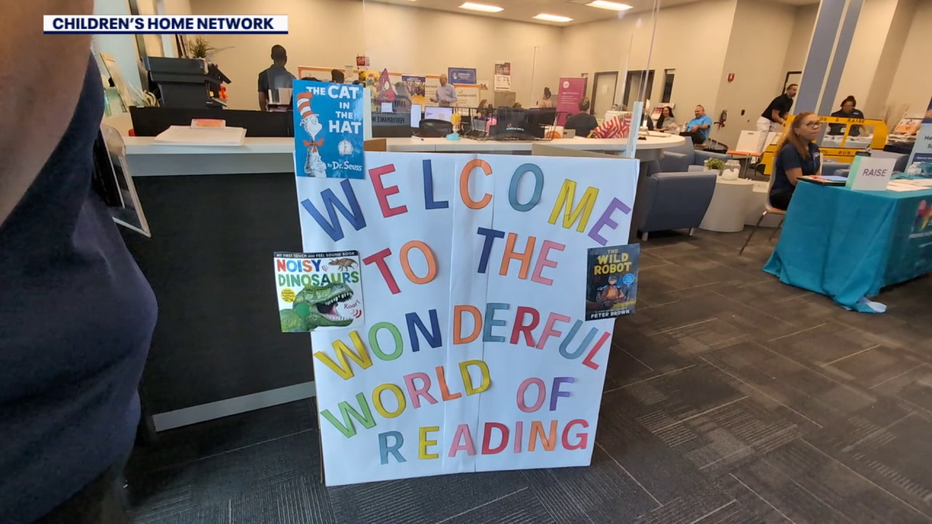
Gilmore knows it’s easy to relax and play all summer long – and more difficult to work on reading literacy.
So, for her family, they prevent the summer slide by choosing the right book for a family book club.
"We always keep it nice and easy. So that entry-level chapter book that’s still super engaging, but it's also something that my seven-year-old could read, all the way up to my 15-year-old, and then still have that conversation about it," Gilmore, who’s in the middle of writing her third book, said.
The Source: The information in this story was gathered from a multi-university research study conducted by the Education Scorecard, as well as interviews with the SEEDS program director and a Bay Area parent.