

Can tarantula venom cure anxiety? Tampa teen's AI research wins Florida Invention Convention
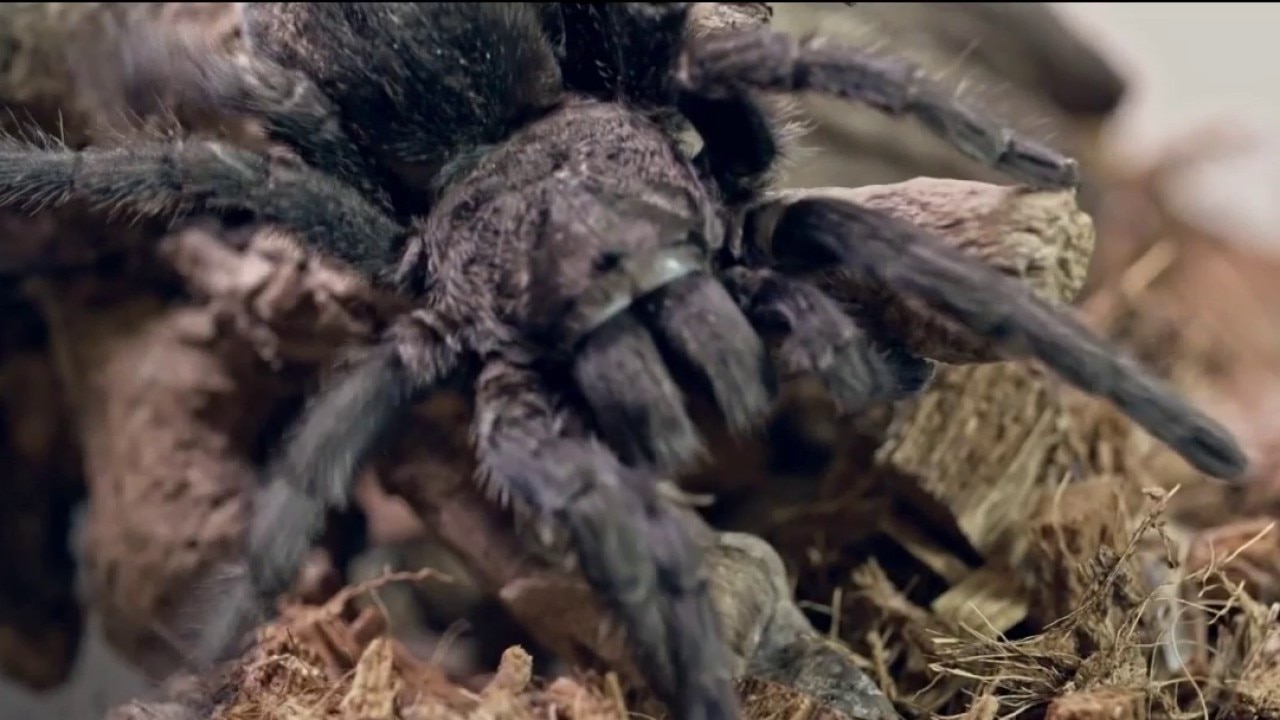
Turning tarantulas into treatment
For most people, a tarantula is a source of pure anxiety. But for King High School graduating senior Daniel Park, the venomous spider might actually hold the cure. FOX 13's Ariel Plasencia reports.
TAMPA, Fla. - For most people, a tarantula is a source of pure anxiety. But for King High School graduating senior Daniel Park, the venomous spider might actually hold the cure.
"I think mental health is an incredibly important issue, especially in today's world," Park, 18, said. "It's one thing to see it as a data point, but also, when I'm talking to my friends or my family, a lot of them have been suffering from these conditions as well."
Teen modifies spider venom
What we know:
Park wanted to find a way to target the amygdala— the part of the brain responsible for emotional processing, especially fear and anxiety.
"And it turns out that spiders, especially tarantulas, are very good at producing venoms that interact with that part of the brain," Park explained.
It might sound backwards at first. But the teen was drawn to the fact that researchers already use venom to treat medical conditions.
"It's like magic, like you're taking something harmful and turning it into something good by harnessing that natural power of this venom," Park said. "And I thought it was a really interesting thing. I wanted to explore it more."
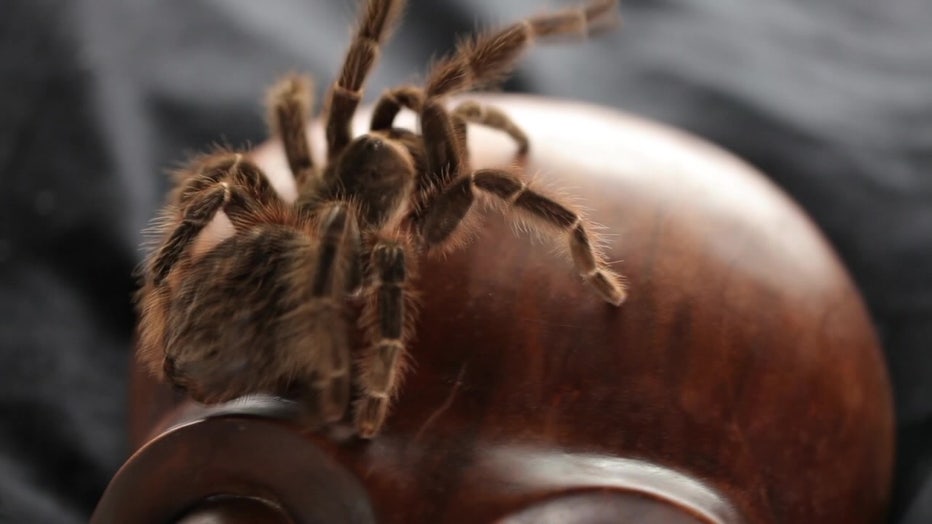
A tarantula is shown in a file photo. King High School senior Daniel Park is researching how to digitally modify tarantula venom to potentially treat anxiety.
Testing virtual venom
The backstory:
Instead of handling live spiders in a lab, Park used computers and artificial intelligence to digitally modify the venom’s molecular structure.
Park said his goal was to, "take out the bad parts of the protein essentially and then leave in the good parts so that the brain would recognize it as sort of a friendly molecule."
Using advanced computer simulations, he put his digitally engineered protein to the test.
"I was able to see, hey, how well is this new protein going to stick itself to the receptor in the part of the brain that we want to target? And then after that happens, is it going to stay there? Is it going to fall right off? Is it going to be effective or not? And those were some of the simulations I was able to run with these different tools," Park added.
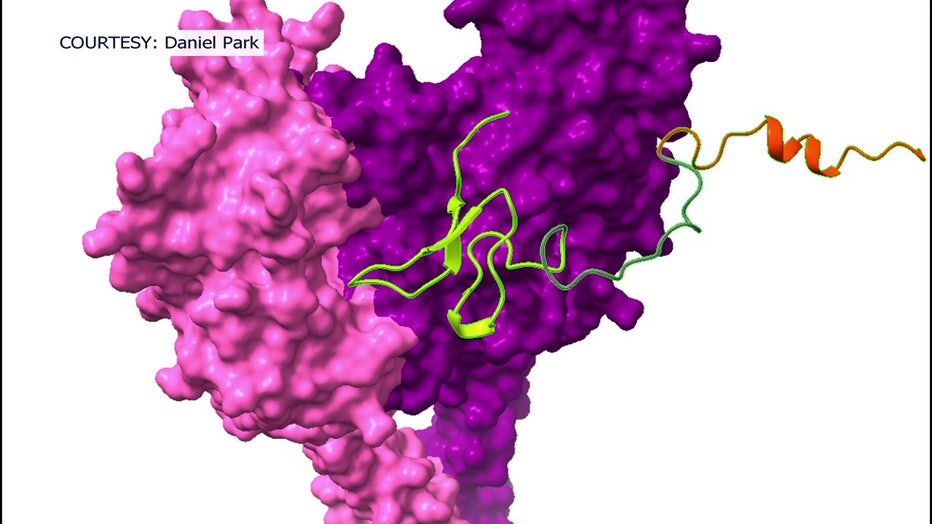
A computer simulation shows a digitally engineered protein. Student Daniel Park used artificial intelligence to modify the molecular structure of venom to target receptors in the brain.
Florida Invention Convention win
What's next:
His results recently won him first place for seniors at the Florida Invention Convention. And next month, he’ll represent Florida at the Invention Convention Nationals in Michigan.
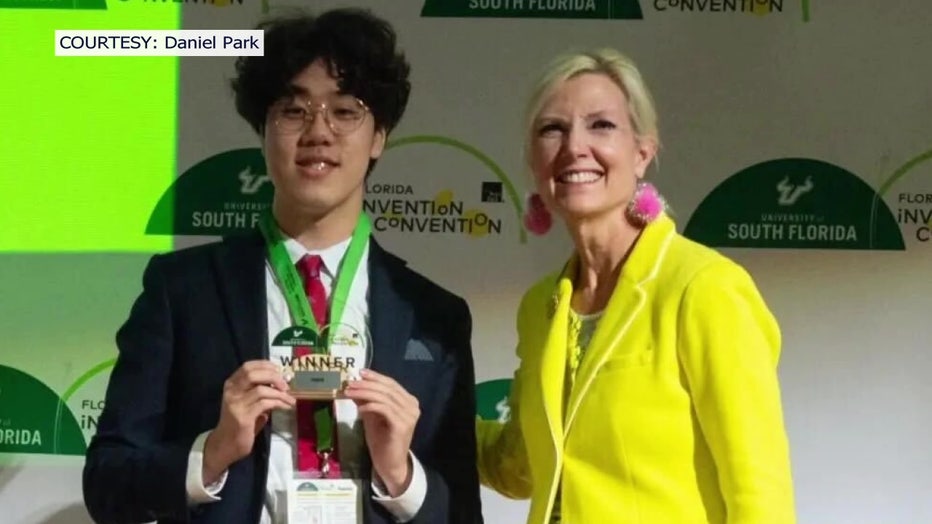
Daniel Park, an 18-year-old senior at King High School, holds his first-place award from the Florida Invention Convention. Park will represent Florida at the national competition in Michigan next month.
Park is no stranger to winning.
FOX 13 interviewed Park two years ago when he won an international contest for discovering a way to use bacteria to make water safer from pollutants.
The teen innovator is getting ready to head off to Brown University, where he hopes to turn his virtual venom into a real-world cure.
"I really want to try and test this in the lab. I want to make this protein in real life and see if it actually works," Park said. "And then of course, after that, we can move on to things like clinical trials."
The Source: FOX 13’s Ariel Plasencia interviewed Daniel Park, 18, regarding his award-winning research and future academic plans.