

Cuban Americans react to US indictment of Raul Castro for 1996 plane shootdown that killed 3 US citizens
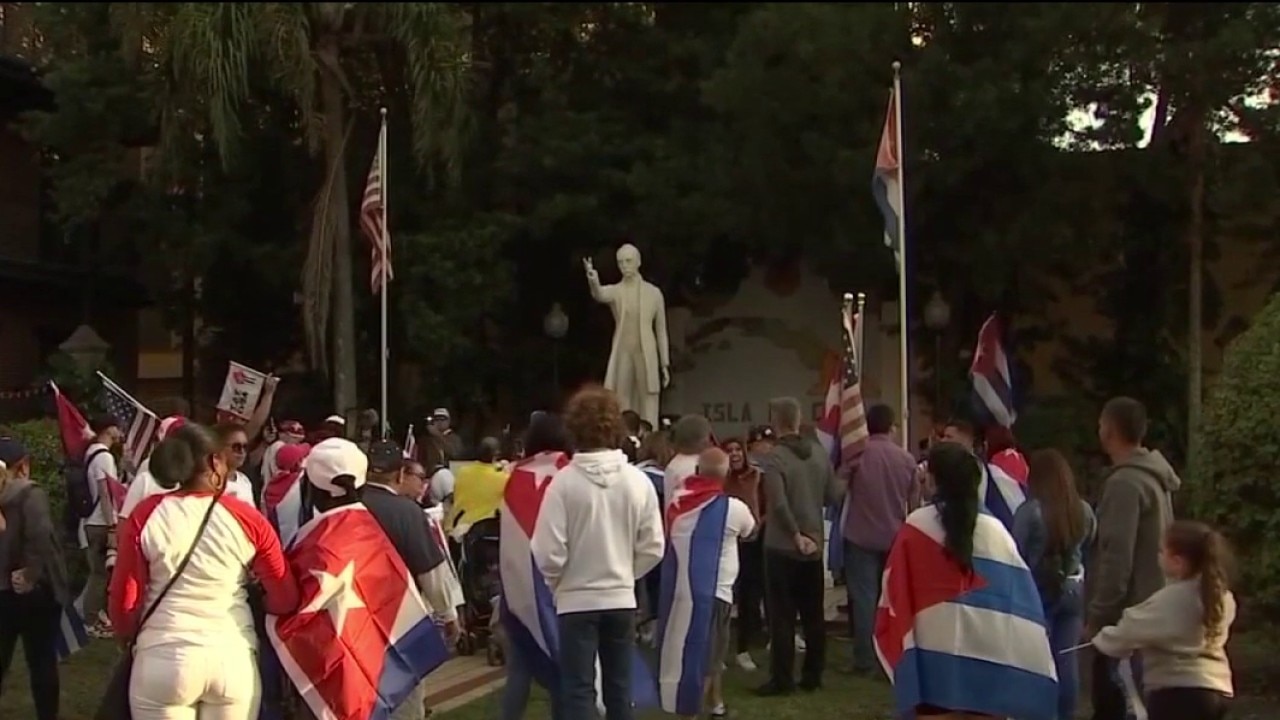
Cuban Americans react to Raúl Castro indictment
The indictment of Raúl Castro has Cuban Americans and those who study U.S.-Cuban relations weighing on the announcement and why it's happening now. FOX 13's Briona Arradondo reports.
TAMPA, Fla. - The U.S. government announced charges Wednesday for 94-year-old Raul Castro’s alleged role in shooting down a Cuban exile group’s plane in 1996, killing four people.
1996 plane shootdown
The backstory:
Four men, including three U.S. citizens, with the organization Brothers to the Rescue were killed on Feb. 24, 1996, when the Cuban government shot down two planes.
"They were unarmed civilians and were flying humanitarian missions for the rescue and protection of people fleeing oppression," Todd Blanche, the acting U.S. attorney general, said.
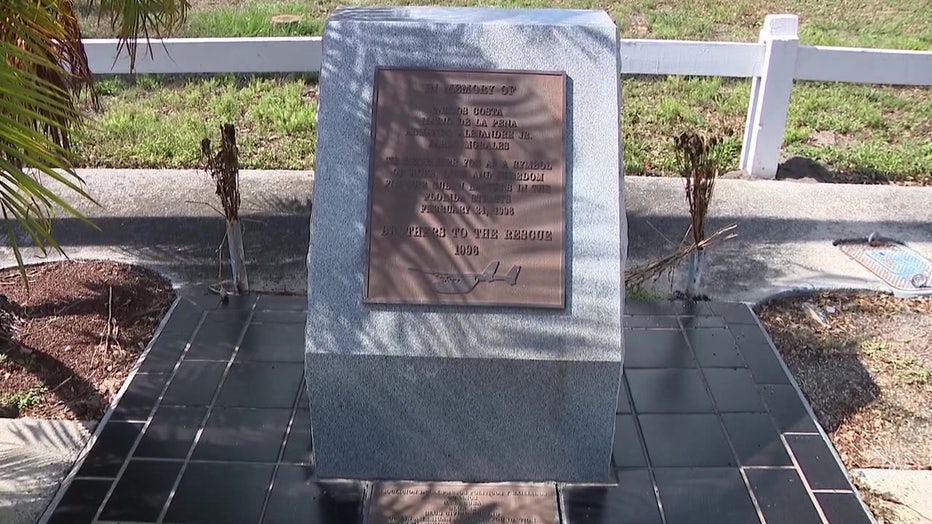
Blanche said the indictment is not for show.
"We indict men outside of this country all the time. And there’s all kinds of ways to get them here," Blanche said.
The other side:
Cuban President Miguel Díaz-Canel condemned the indictment, saying Cuba had warned the U.S. government it would defend its airspace, and the shooting was in self-defense.
Díaz-Canel said the planes were dropping leaflets over the capital of Havana.
Local perspective:
Cuban American Marla Sanchez lives in Orlando and graduated from the University of South Florida.
Sanchez and her mom, who grew up in Cuba, believe this move can help push forward a regime change.
"For us, it feels like there is no other way to get out of the hole that we're in without any sort of aid," Sanchez said.
Immigration and political questions
Dig deeper:
Florida immigration attorney Renata Castro, who is not related to the Castro family in Cuba, said Florida has the largest number of Cubans looking for asylum or waiting for a decision.
So, they could be looking for any fallout related to the indictment. Castro said there hasn’t been a change in immigration law at this time.
"If you're Cuban or a Cuban national, or friends with a Cuban national who's pursuing asylum, until the law changes, Cubans remain eligible for certain specific benefits, and before making any decisions, you should consult with a licensed immigration attorney," Renata Castro, the founder of immigration firm USA4ALL, said.
Timing of indictment questioned
What they're saying:
University of Tampa economics professor Abby Hall studies U.S. defense policies and intervention. She said there’s a question surrounding why the indictment is happening now, 30 years later.
"Castro is not the current head of state in Cuba. So, what is this attempting to do? Is this attempting to apply more political pressure in terms of regime change?" Hall said. "When we look at history, we look things like the embargo, which again has been in place since the 1960s. What we've witnessed is that, yes, there are economic impacts and very severe ones, but they're primarily impacting your everyday Cubans, and not effective as a means of ousting the regime."
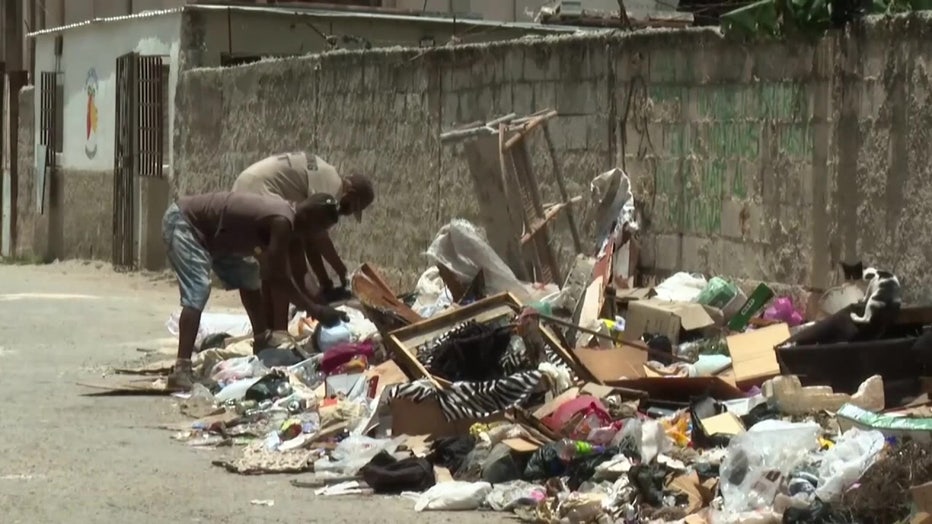
Some Cuban Americans say they hope that's the case, but others, like Tampa Cuban-American activist Victor Rudy DiMaio, aren't convinced.
"I’m not here to support Cuba at all. I’m here to support the people of Cuba. They’re the ones who are suffering and this does nothing. This does absolutely nothing to help the people of Cuba who are suffering right now," Dimaio said.
The Source: The information in this story came from a press event with the U.S. acting attorney general and interviews with a University of Tampa economics professor, an immigration attorney and local Cuban Americans. It was gathered by FOX 13’s Briona Arradondo.