

Florida candy contamination: Toxicologist questions state soil-testing method
Candy contamination investigation
Florida health officials face fierce pushback from independent scientific experts and candy manufacturers after releasing a controversial report detailing heavy metal contamination in sweet treats. FOX 13's Craig Patrick investigates.
TAMPA, Fla. - Florida health officials face fierce pushback from independent scientific experts and candy manufacturers after releasing a controversial report detailing heavy metal contamination in sweet treats.
Florida Candy Arsenic Dispute
What we know:
The DeSantis administration recently announced that some popular candies contain what they describe as alarming levels of arsenic.
During a public address, Florida's Surgeon General and Secretary of Health, Dr. Joseph Ladapo, linked these findings to an increased risk of cancer, stating that consuming even small amounts on a regular basis could be harmful.
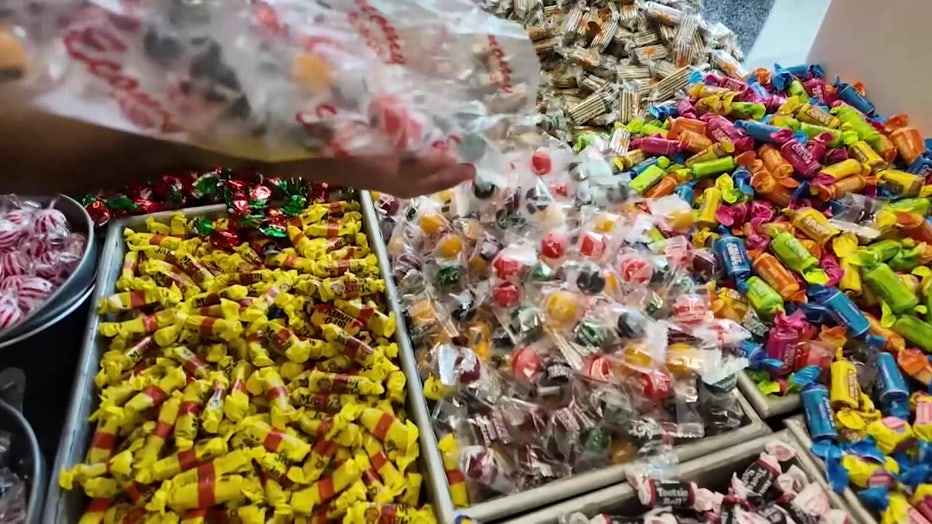
First Lady Casey DeSantis also raised concerns, claiming that eating more than six Jolly Ranchers over the course of a year exceeds the safe consumption limit for a child, according to the state.
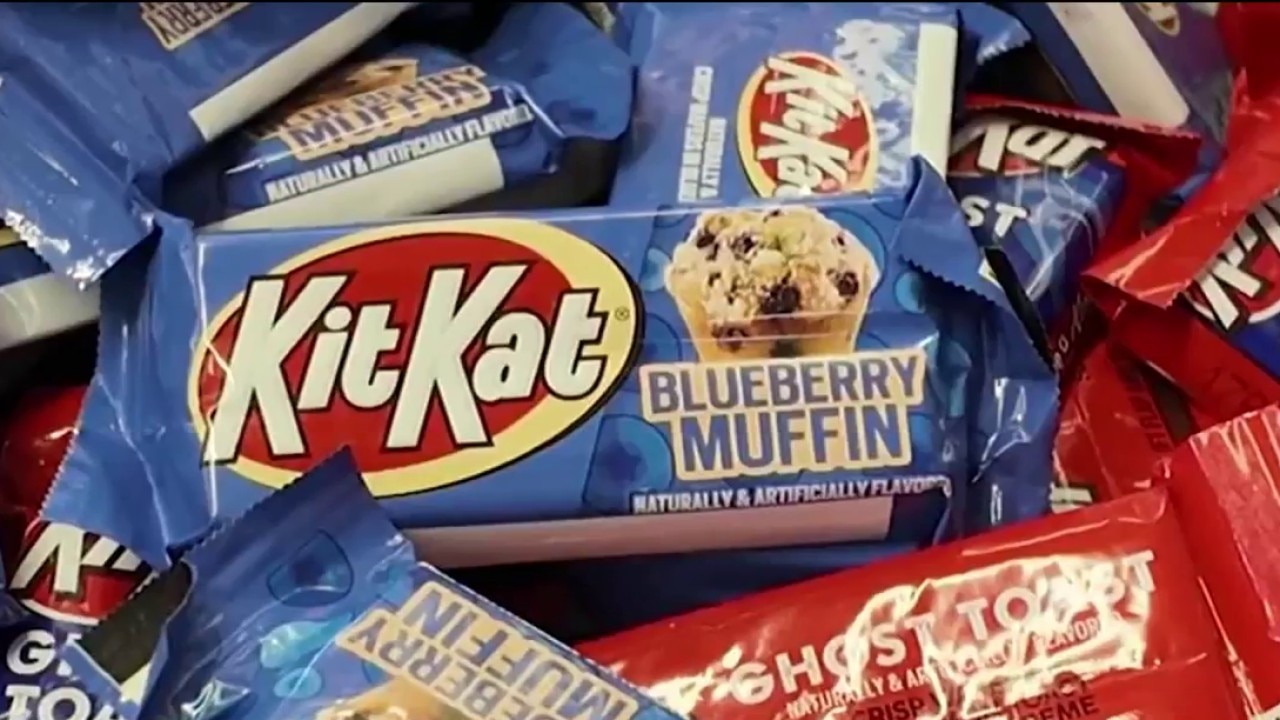
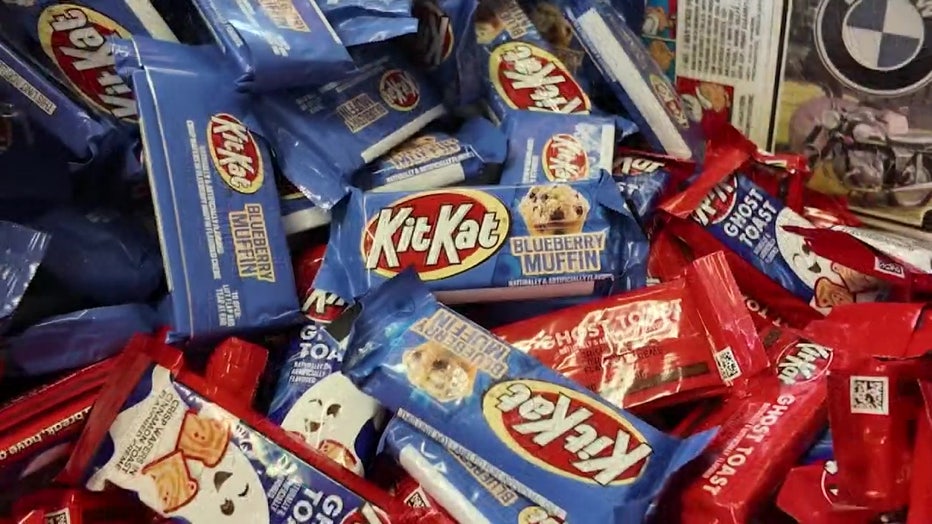
Based on the state's published testing results, the safe annual consumption limit restricts children to no more than four pieces of strawberry Twizzlers, and less than two and a half pieces of a Kit Kat, 3 Musketeers, or Snickers bar per year.
Dr. Ladapo noted that these strict limits were established by being highly conservative and applying the strictest available standards and inputs.
Experts Challenge Findings
The other side:
Independent scientists and candy makers are questioning the state's findings. Dr. Marie Bourgeois, a toxicologist and chemistry professor at the University of South Florida (USF), noted that the U.S. Food and Drug Administration (FDA) does not maintain a strict action limit for arsenic in candy.
According to the American Cancer Society, inorganic arsenic is highly toxic and linked to cancer, while organic arsenic is much less toxic and is not considered a cancer risk.
The state's published results do not specify which form of arsenic was found. A Florida Department of Health representative reportedly told the Daytona Beach News-Journal that the state utilized "EPA Method 6010D," which tests for total arsenic without differentiating between the two forms.
Dr. Bourgeois also raised concerns about the testing medium. EPA Method 6010D is generally used for testing soil and groundwater, not food products.
Historical FDA data, which utilized a food-based testing method, generally found arsenic levels in candy do not exceed 15 parts per billion. In contrast, the state detected levels in the hundreds.
"If they're using something for soil, when they should be using something for food, then you're not getting the right answer," Dr. Bourgeois stated. She also pointed out that the state's limits broadly differentiate between child and adult rather than strictly standardizing by body weight.
Arsenic Levels vs Limits
By the numbers:
The state's published test results—and corresponding annual consumption limits for children—show identical portion limits for products despite detecting significantly varying arsenic levels:
Tootsie Roll
- Arsenic Level Detected: 380 ppb
- State Annual Limit for Children: 8 pieces
Tootsie Fruit Chew Lime
- Arsenic Level Detected: 570 ppb
- State Annual Limit for Children: 8 pieces
Nerds Strawberry
- Arsenic Level Detected: 450 ppb
- State Annual Limit for Children: 96 small pieces
Nerds Grape
- Arsenic Level Detected: 380 ppb
- State Annual Limit for Children: 96 small pieces
Jolly Rancher Sour Apple
- Arsenic Level Detected: 540 ppb
- State Annual Limit for Children: 6 pieces
Jolly Rancher Strawberry
- Arsenic Level Detected: 320 ppb
- State Annual Limit for Children: 6 pieces
The Source: Information in this report was sourced directly from public statements made by Florida Surgeon General Dr. Joseph Ladapo and First Lady Casey DeSantis, alongside the state's published testing results. Scientific context and methodological critiques were provided in an interview with USF toxicologist Dr. Marie Bourgeois. Additional background data regarding testing methods was sourced from the American Cancer Society, previous FDA testing data, and the Daytona Beach News-Journal.