

Inside the massive effort to rescue Florida's endangered corals
Courtesy: The Florida Aquarium
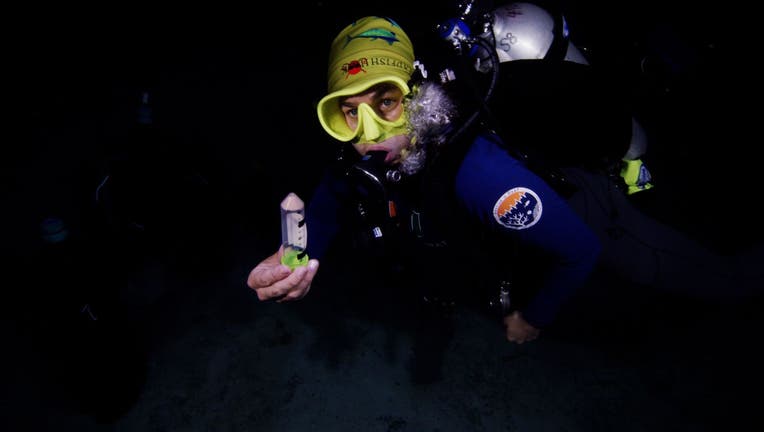
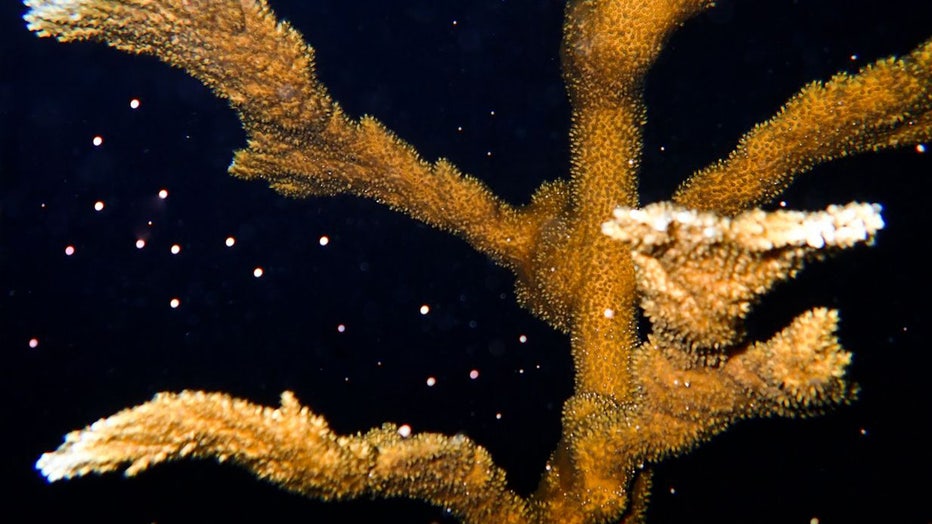
KEY LARGO, Fla. - The Florida Aquarium partnered with several marine organizations to collect Elkhorn coral eggs and sperm in the Florida Keys during a 12-night conservation effort aimed at saving the species. The aquarium said the project may be one of the largest collaborative coral conservation efforts to ever happen in Florida.
Courtesy: The Florida Aquarium
Florida Keys coral rescue
What we know:
Four experts from The Florida Aquarium joined partner organizations off the coast of Tavernier to gather eggs and sperm from Elkhorn coral colonies over 12 nights. The effort created 101 new genetic combinations and produced 61,000 larvae, including coral pairings that had never been made before, according to the aquarium.
Courtesy: The Florida Aquarium
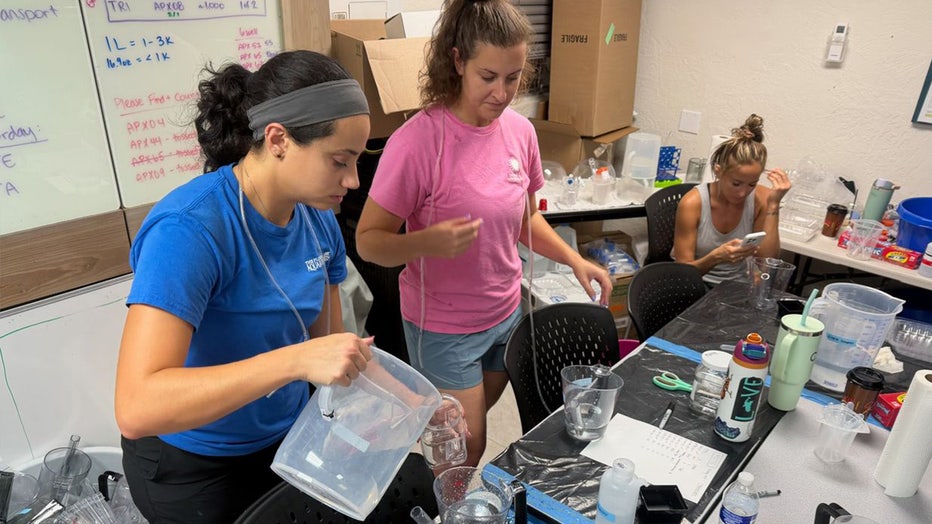
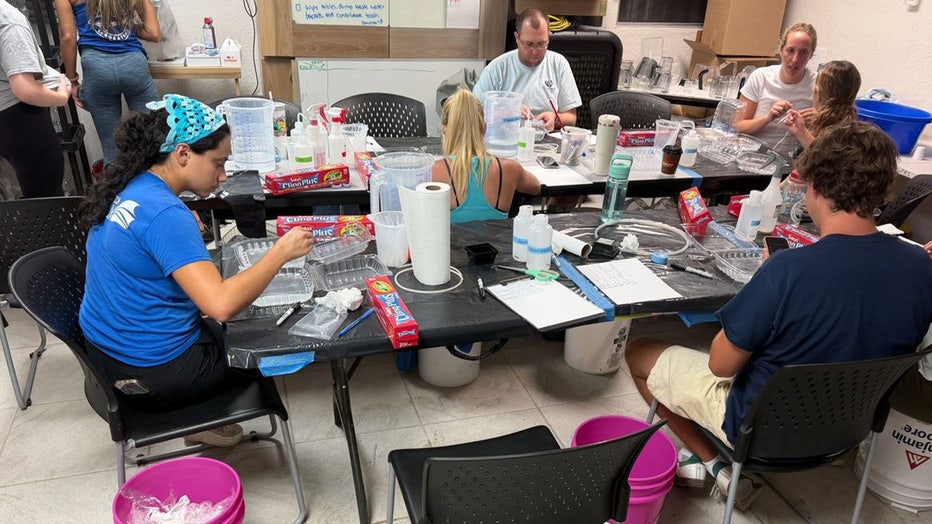
The Florida Aquarium’s Coral Conservation and Research Center in Apollo Beach received 20,000 larvae to raise.
The aquarium said the remaining larvae were sent to Mote Marine Laboratory and Aquarium, The Reef Institute, and the University of Miami.
Participating groups plan to eventually plant the young corals onto Florida’s Coral Reef.
Elkhorn coral extinction threat
The backstory:
According to the aquarium, fewer than 25 unique wild Elkhorn coral colonies remain along Florida's Coral Reef, leading researchers to declare the species functionally extinct in the wild.
Large fragments were brought to The Florida Aquarium in 2020 to establish a laboratory breeding program. Since then, the center said it has spawned 14 coral species and provided more than 50,000 young corals for local restoration efforts.
Courtesy: The Florida Aquarium
Coral reef ecosystem impact
Why you should care:
Coral reefs serve as vital habitats for thousands of marine species, protect Florida coastlines from severe storm damage, support commercial fisheries, and drive local tourism and recreation.
The Source: The information in this story was gathered from The Florida Aquarium, who detailed the conservation mission and provided statements from Keri O’Neil, Director and Senior Scientist of The Florida Aquarium’s Coral Conservation Program.