

Florida's extreme drought continues: Tips on how to protect your plants
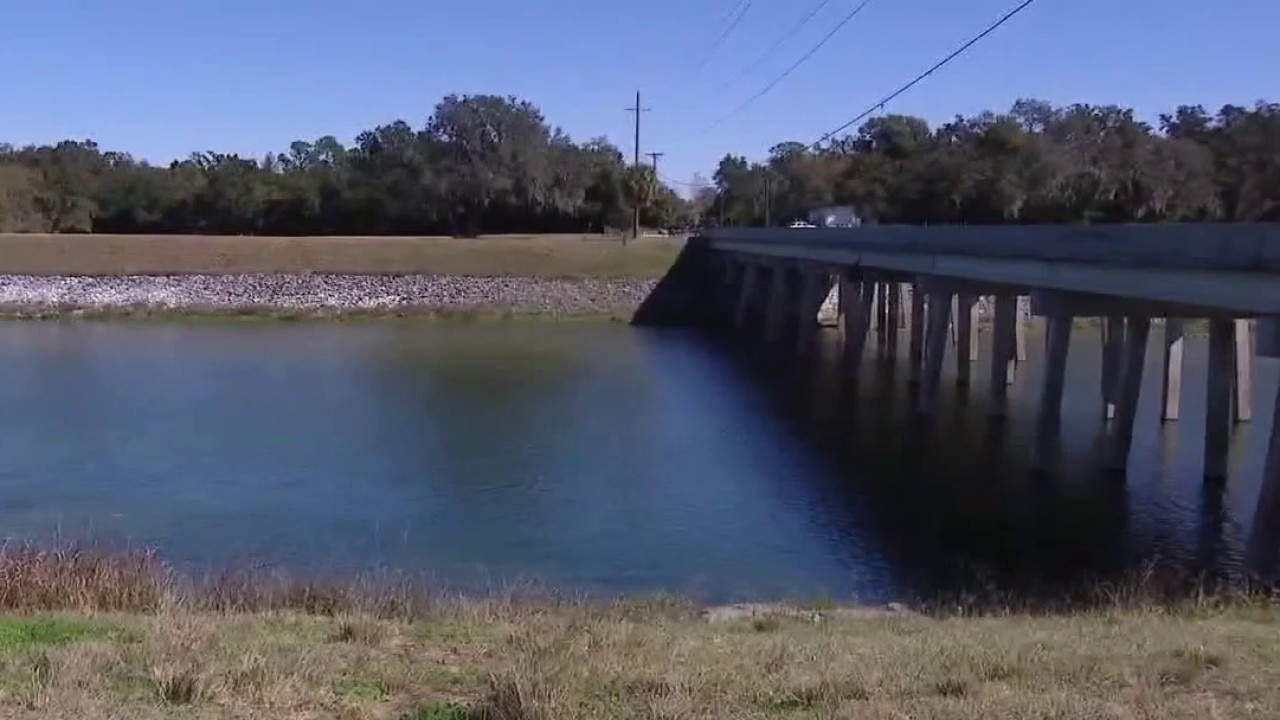
Extreme drought continues across Tampa Bay
Florida is in a drought and one of the biggest factors was a drier than usual rainy season this past fall. FOX 13's Danielle Zulkosky reports.
TAMPA, Fla. - Florida is in a drought and one of the biggest factors was a drier than usual rainy season this past fall.
The backstory:
Now that Florida is in the heart of dry season, these small rainstorms across the region will not be enough to turn this around.
READ: 8 people ejected, seriously injured after golf cart hit by vehicle in Wesley Chapel: FHP
"Many of these spots need over a foot of rain to make up the deficit that we found ourselves in from the end of rainy season last year to where we are right now," FOX 13 Meteorologist Nash Rhodes said.
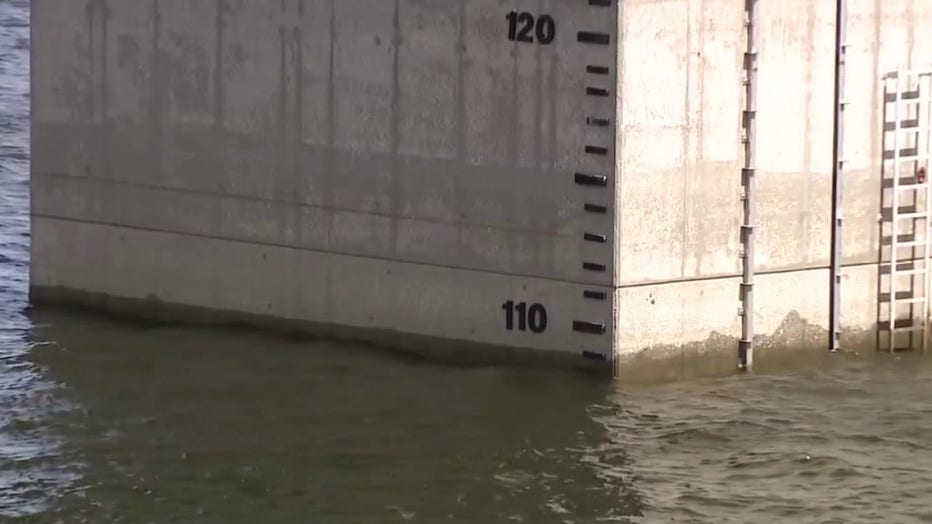
Rhodes inspected the FOX 13 SkyTower Radar and said the little rain that is registering at this point is low.
"I'm looking at SkyTower Radar and one of the spots that got the most rain today has been Odessa, and at least at this point we're not even looking at an inch of radar-estimated rain, and that gets me excited but that's just dry season for you," Rhodes said. "Most spots stay completely dry throughout the day, few spots get lucky and see typically trace amounts of rainfall."
What they're saying:
Lee Claxton is a Board Certified Master Arborist living in Central Florida.
Claxton said this drought will affect landscaping. If you want to save your plants, there might be tough choices to make while you're reducing your water.
"Do I want to wash my car this week? Or do I want to give these living things the water that they need to get through another week?" Claxton said.
What you can do:
You should always aim to stay within the guidelines set by your municipality while managing watering your plants.
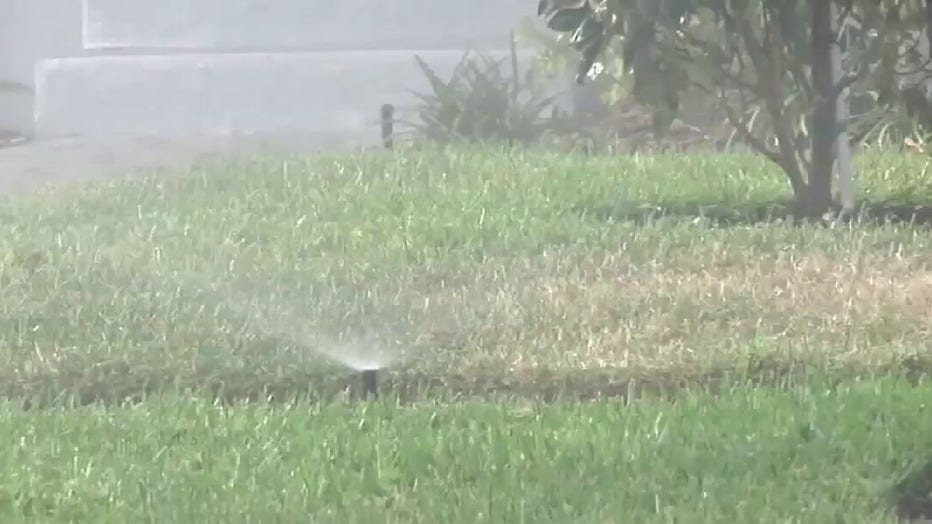
There are things you can do to improve your plants' chances at survival, all while conserving water.
"Mulch very heavily around and underneath your plants because No. 1, that gets the sun off of the soil," Claxton said. "So instead of the moisture evaporating out of the soil, it's able to soak in, and it creates a nice stratum, a nice layer for your plant to colonize with roots so it can get that moisture."
How you water matters too.
"When you water, water thoroughly and not quickly, water them deeply," Claxton said. "So, that'll inspire the plants to put roots down deeper."
This, on the back end of a historically cold winter, is bad for plants.
"The freeze that we just had damaged the plants from the ground up, and now this drought is going to be drying the plants out to the point where portions of the root system are now dying," Claxton said.
If you have to replant, try to pick plants native to this area of Florida.
"Ecologically, they're engineered, you know, over eons to live in this area," Claxton said.
Dig deeper:
Beyond wildfires, there are other safety risks in a drought, including increased risk of flash flooding.
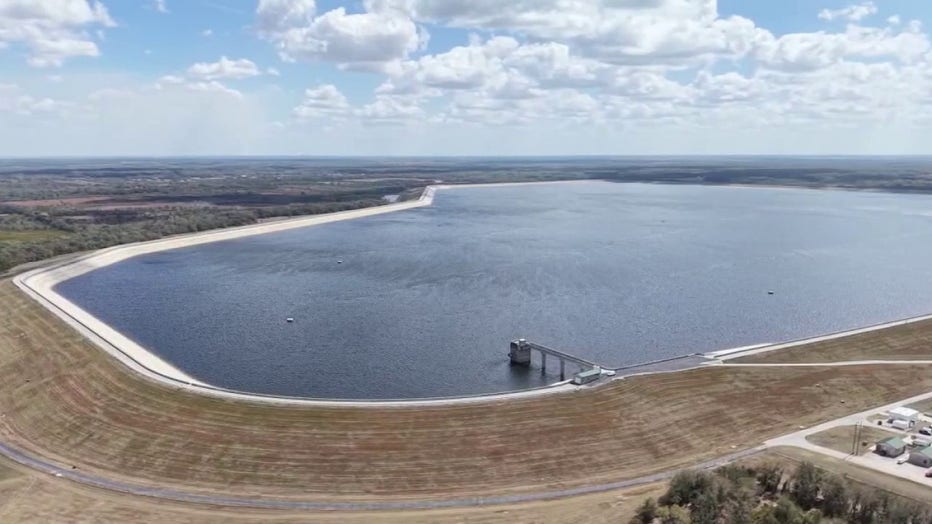
Rhodes said the ground is already exceptionally dry and dry soil has a harder time absorbing water than previously wet ground.
"You take ground that can't hold the water, dump a lot of water on it, and then you get that flash flooding threat," Rhodes said.
Rhodes said there could be a greater risk of flash flooding come June when rainy season hits, if the ground remains as dry as it is.
Rhodes points to standard flooding issues around Tampa Bay during the rainy season when the ground is already wet, and said it could get worse until these ground conditions are reversed.
The Source: Information in this story comes from interviews done with a FOX 13 meteorologist and a Board Certified Master Arborist in Florida.