

Florida extends winter blend gasoline sale to offset rising pump prices
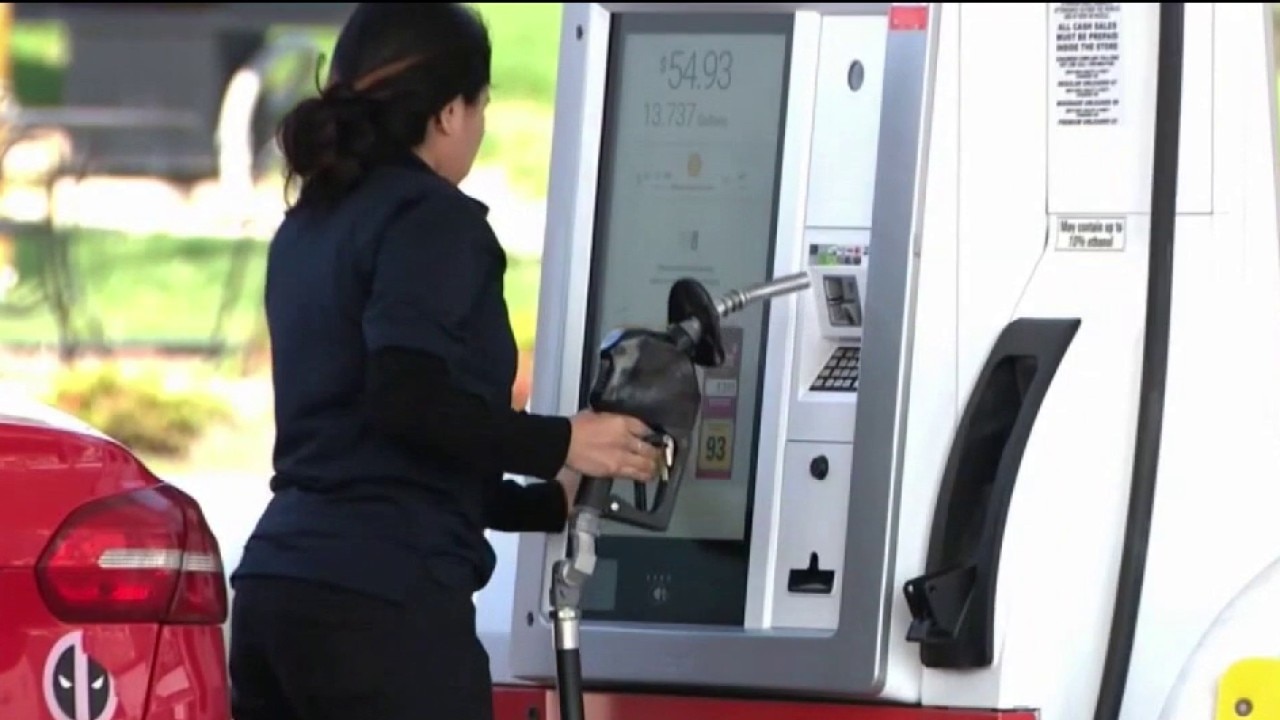
Gas prices jump again overnight
As prices continue to jump at the pump station, a new order will hopefully save consumers money. FOX 13's Kailey Tracy breaks down what the winter-blend fuel sale extension means.
TAMPA, Fla. - Florida drivers facing the highest gas prices in years are getting a temporary reprieve as state officials move to delay a seasonal fuel transition that typically drives costs even higher.
Effective Friday, a state order allows gas stations to continue selling winter blend gasoline for an additional 90 days. It comes as the national average for a gallon of gas hit $4.39 Friday, with Florida trailing closely at $4.28. Prices have surged 44% since the onset of the conflict with Iran, according to AAA.
The backstory:
Under regulations, gas stations begin transitioning to summer blend fuel in May, with a requirement to carry it by June. The summer blend is about 10 to 30 cents more per gallon than the winter blend.
"It's [winter blend] cheaper, and it essentially allows refiners to have more options to the type of components that they put in there, but as the months really start to heat up, then you start to run into evaporation concerns with your fuel tank when you have winter blend gasoline and that's why they cut back on the ethanol levels in that fuel blend," Mark Jenkins, AAA Spokesman, said.
"Ultimately, I think that’s more of an effort by the EPA to manage environmental standards," Jenkins said.
What they're saying:
The Department of Agriculture and Consumer Services wrote in the order that, "due to the disruption of global energy markets by ongoing hostilities in the Middle East, increased demand for gasoline heading into the 2026 summer driving season, and decreased refining capacity in the U.S. since 2020, additional pressure has been placed on U.S. gasoline production."
Those factors, officials continued, "have created ‘extreme and unusual fuel supply circumstances’ that will prevent the distribution of an adequate supply of compliant gasoline to consumers."
"We as consumers don't really know the difference. Whenever you're filling up at 87 octane, it's just gasoline. But once that summer blend typically moves into the market, then the price for that increases because it costs more to produce. But since we're extending the deadline of that switch to three months later, we're not seeing that added cost moving into the market yet. So, we might not see a significant drop in prices at the pump directly because of this move, but it is delaying the inevitable," Jenkins said.
E15 and Compatibility:
The order also allows the continued sale of E15 gasoline, often labeled as 88 octane at the pump. While E15 is generally 5 to 15 cents cheaper than standard 87 octane, it’s not as efficient. E15 is also only for vehicles with model year 2001 or newer.
The Source: This story is written using information from AAA.