

Florida to launch groundbreaking newborn screening program aimed at detecting nearly 900 rare diseases
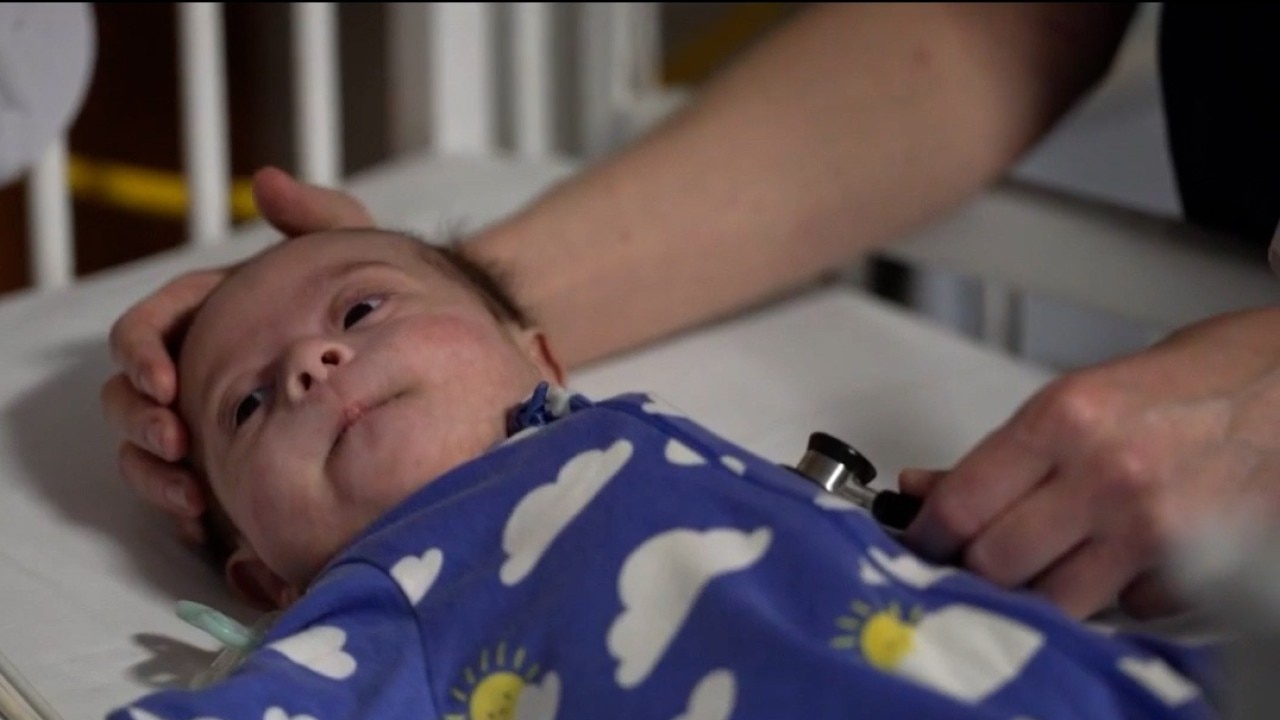
Sunshine Genetics to begin at TGH
A new statewide initiative launching this summer at Tampa General Hospital will offer free whole genome sequencing for newborns through Florida's new Sunshine Genetics Newborn Screening Program. FOX 13's Kellie Cowan breaks down what this means for doctors, parents and children.
TAMPA, Fla. - For decades, newborn screening has relied on a heel-prick blood test that identifies a limited number of serious conditions shortly after birth. While every state's program differs, Florida currently screens for 60 serious conditions and diseases at birth.
Florida's new approach to newborn screening
What we know:
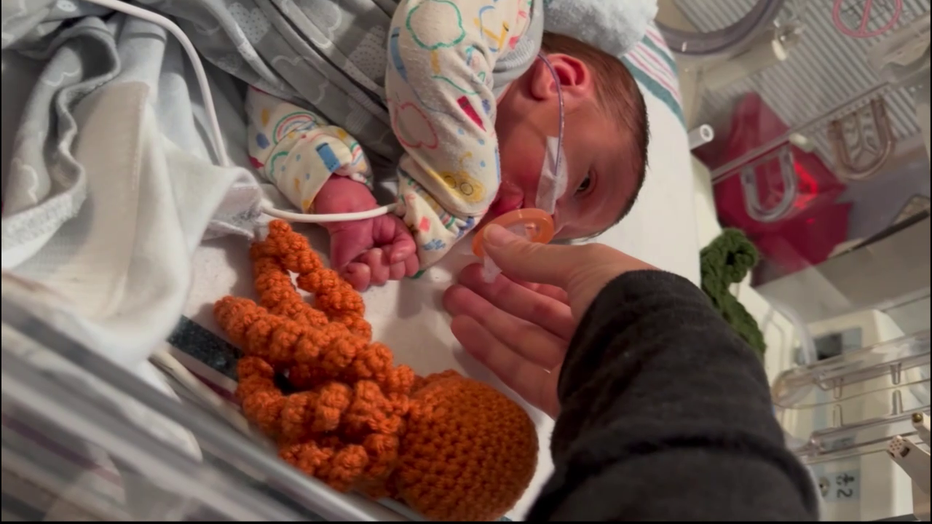
Beginning this summer, families delivering at Tampa General Hospital will have the option to participate in the Sunshine Genetics Newborn Screening Program, a first-of-its-kind initiative that uses whole genome sequencing to search for hundreds of rare genetic diseases before symptoms develop.
"It will greatly expand our ability to diagnose these rare conditions," said Dr. Patricia Emmanuel at Muma Children's Hospital at TGH, Chief of Pediatrics and Lewis A. Barness Professor and Chair, Department of Pediatrics, USF Health Morsani College of Medicine. "My hope is that we are able to have a partnership with families to really understand some of the complexities of genetic diseases and to really advance cures. That is our ultimate goal in pediatrics. We want happy, healthy, growing kids."
State Rep. Adam Anderson, R-Palm Harbor, who spearheaded the legislation behind the program, said screening capabilities have grown rapidly as science advances.
"Today, that gene panel is approaching about 900 different conditions that can be detected with just that one drop of blood," Anderson said. "Our state newborn screening panel screens for just 60 of these conditions. So the incremental increase is massive."
A father's mission after losing his son
Local perspective:
The legislation is deeply personal for Anderson.
In 2015, he and his wife welcomed their third child, Andrew.
"I remember thinking when Andrew was born, our life was absolutely complete," Anderson recalled.
At first, everything seemed fine.
"He was born perfectly healthy in every visible way," Anderson said.
But by the sixth month, Adam says his wife Brianne started to notice worrying signs. Andrew began missing developmental milestones and appeared to be regressing in certain physical abilities.
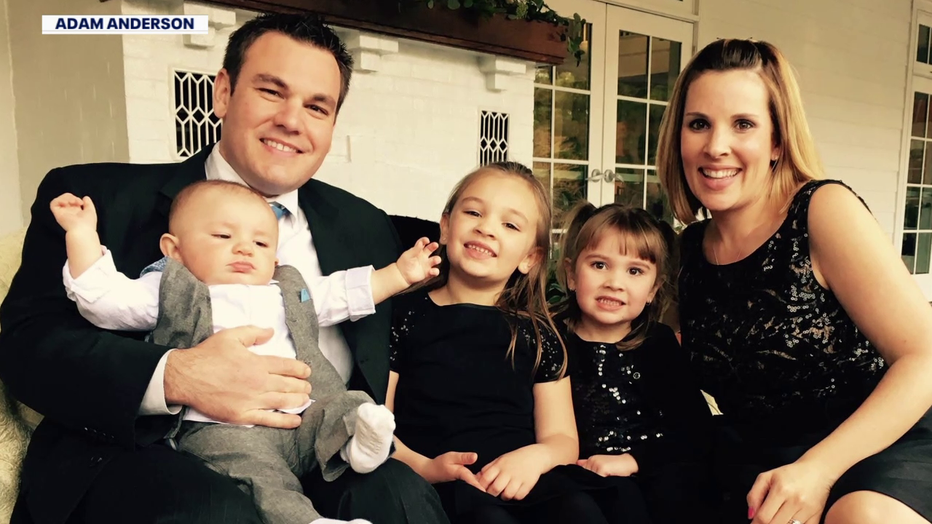
"We started to get really concerned that he wasn't able to sit up like he could originally. He wasn't able to hold his head up how he was before," Anderson said.
Despite repeated visits with doctors, the family struggled to find answers.
The Andersons endured what many rare disease families call a "diagnostic odyssey."
"We went through a period of time where we received a number of misdiagnoses, things like cerebral palsy, torticollis," Anderson said. "Some told us not to worry because they said boys can sometimes develop more slowly than girls and his older sisters were advanced."
More than a year later, genetic testing revealed Andrew had Tay-Sachs disease, a rare inherited neurological disorder.
"The seizures are probably one of the hardest things to deal with," Anderson said. "There were times Drew suffered from 50, 60, even 70 seizures in a single day."
At the time, innovative treatments for Tay Sachs disease were just beginning to show promise, but time wasn't on the Anderson's side.
"Drew passed away when he was a little over four years old," Anderson said.
Today, Anderson is working to ensure other families may be able to avoid the same experience.
"My hope is that families will get the answers that they need and that babies born today, won't have to live that same nightmare of that diagnostic odyssey that I did and that so many families around the country do every day."
The challenge of rare disease diagnosis
By the numbers:
Experts say rare diseases are more common than many people realize.
"One in 10 Americans has a rare genetic disease, and half of them are children," said Katherine Stueland, president and CEO of GeneDx, the company partnering with Florida on the Sunshine Genetics Newborn Screening Program.
"There are over 10,000 rare diseases, and about 70-percent of them begin in childhood," Emmanuel said.
Yet diagnosis often takes years.
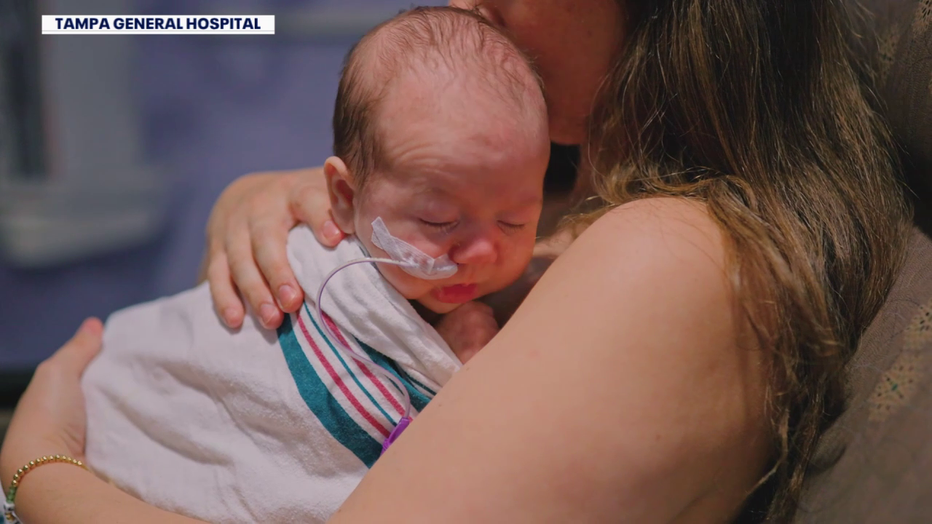
"It takes on average five years for a child with a rare genetic disease to get an accurate diagnosis," Stueland said.
According to Anderson, many families spend years moving from specialist to specialist.
"On average, it takes about 17 trips to specialists plus overnight stays in the hospital, sometimes a NICU, just to get to a diagnosis," he said.
Stueland said newborn genome sequencing offers the opportunity to dramatically shorten that process.
"We're finding that 3.2-percent of babies actually have a genetic disease," she said, citing results from large newborn screening studies. "We're now eradicating seven to eleven years of unnecessary disease progression by using this testing at birth."
Why early diagnosis matters
Dig deeper:
Researchers say timing can make all the difference.
"The earlier we can diagnose disease, the more options there are," Stueland said.
Those options may include specialized diets, medications, supplements, clinical trials, gene therapies, personalized medications, and gene-editing treatments.
"Being able to utilize these technologies with healthy newborns actually becomes a game changer," Stueland said. "It enables us to diagnose disease before symptoms really manifest and start to have a material impact on a child's life."
Emmanuel said the transformation in pediatric medicine has been remarkable.
"When I was a resident, children died early in the emergency room or in the hospital sometimes without a diagnosis," she said. "Now we have names and treatments, and I am wowed every day with how medicine has advanced."
In some cases, treatment can begin almost immediately.
"Now when we identify a case, those babies are brought in within a week or so and start the process of getting gene therapy," Emmanuel said.
She pointed to diseases that once meant permanent physical and neurological changes, and often early death.
"Many of those children will have gone on to be in wheelchairs and become paralyzed or unable to walk. And this will prevent that. So it's life-altering."
The rise of gene therapy and precision medicine
What they're saying:
The program arrives as genetic medicine is advancing at unprecedented speed.
Last year, doctors at Children's Hospital of Philadelphia used a customized CRISPR gene-editing treatment to save a baby born with a life-threatening genetic disorder, highlighting how quickly personalized medicine is evolving.
"New treatments are coming every day," Emmanuel said. "Some of those are gene therapies, some of them are finding old medications with new indications once we have identified the protein, the gene, the deficit."
Anderson has watched those advancements firsthand.
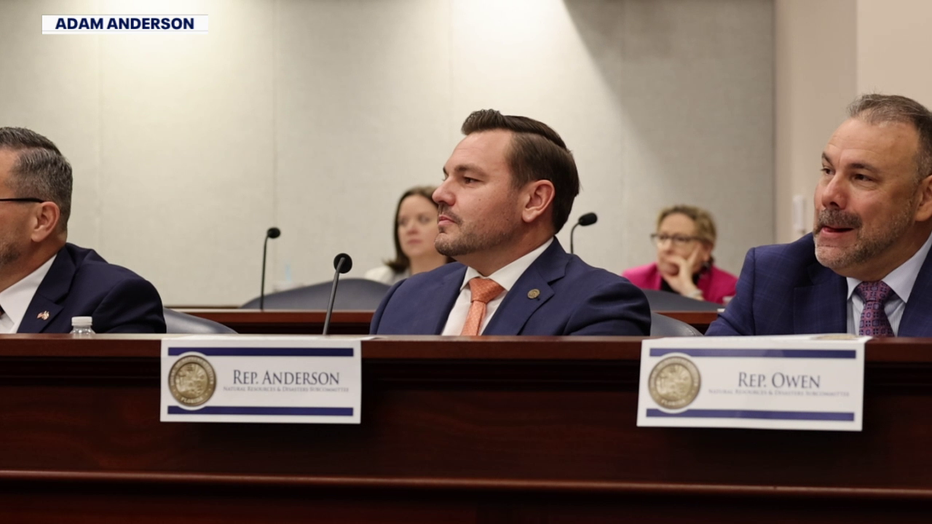
"In the case of Tay-Sachs disease in particular, there is a gene therapy that got off the ground and we started working on raising funds while Drew was still alive to help develop this treatment," he said. "It's working. It's showing some tremendous promise and it is halting progression of the disease."
He believes diagnosing diseases before symptoms appear could fundamentally change outcomes.
"If we can give parents the option for these types of treatments before their child is symptomatic, instead of just stopping the progression, we can completely prevent this illness or this condition from presenting itself at all and they live a perfectly normal life."
Could genome screening save money?
Supporters also argue the five-year pilot program, which will require tens of millions in public and private investment, could exponentially reduce state healthcare spending.
In the United States, nearly half of all children receive health coverage through Medicaid or the Children's Health Insurance Program (CHIP).
"The cost of an undiagnosed disease is tremendous," Anderson said. "The cost per child to be in this diagnostic odyssey that can last five to seven years trying to get answers is over $500,000 per child."
According to analysis from the EveryLife Foundation for Rare Diseases, the annualized medical costs per patient prior to a rare disease diagnosis is between $86,000 and $517,000.
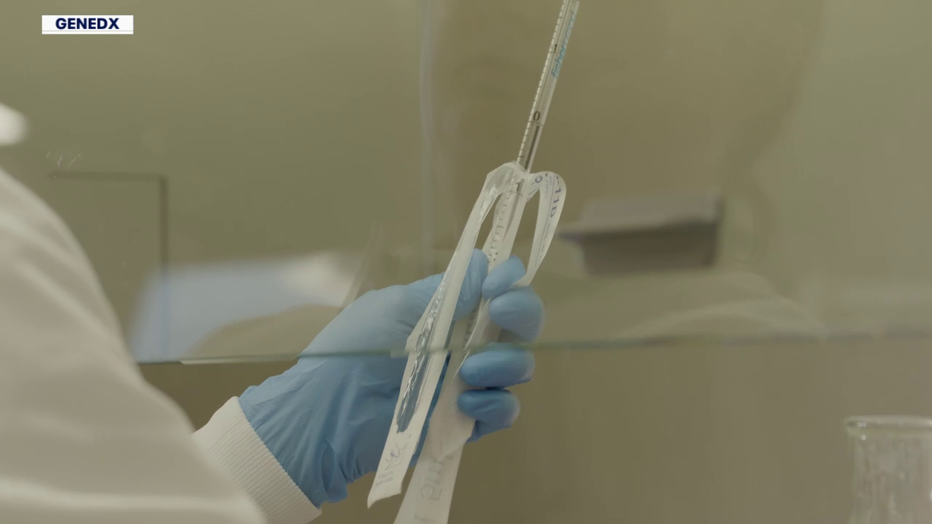
GeneDx estimates earlier diagnosis can save approximately $80,000 annually per affected child by avoiding disease progression, hospitalizations and intensive care stays.
"Using this test up front is one of the reasons why lawmakers in Florida said this is not only better for clinical outcomes and health outcomes for children, but it's also a better way to run our health budget as well," Stueland said.
Anderson believes the statewide impact could be significant.
"We believe this is going to be hundreds of millions, possibly a billion dollars in savings when it's rolled out statewide."
But for years, whole genome testing required a significant investment that was out of reach for most families.
Three years ago, Anderson said whole genome sequencing cost roughly $16,000 per patient. Thanks to rapid advancements in science and machine learning, the cost has dropped precipitously.
"Today, this test is a little over $1,000," he said.
For Anderson, whose son died from a rare genetic disease that wasn't diagnosed until symptoms had already progressed, the case for newborn genome screening is simple.
"It would be unconscionable not to do something like this. We have the ability, we have the resources, we have technology. To not do it, I believe, would be criminal because we are saving lives with this program."
Privacy concerns and genetic data
The other side:
The collection of genetic information raises important privacy questions.
"We need to understand how data is going to be collected, how it's going to be stored, how it is going to be secured, and de-identified," Emmanuel said.
Anderson emphasized that Florida has strong genetic privacy protections.
"Florida has some of the most robust, most protective genetic privacy laws in the entire country," he said. "You cannot get our genetic data. It is not shared."
According to Anderson, any research use would rely on de-identified information.
"This program does have a pathway to share only de-identified genetic data with a closed research consortium group," he said. "It's completely de-identified and anonymous at that point."
Florida's broader ambitions
Supporters say the program could have impacts beyond healthcare.
"This is really going to create investment in our state, in biotech," Emmanuel said. "When you get the combination of academic medical centers with innovators and investors, that's when amazing things can happen rapidly."
Anderson believes the initiative could establish Florida as a leader in the biotech industry.
"It is positioning our state as a national leader in genomic and precision medicine," he said.
GeneDx CEO Katherine Stueland said Florida is already setting an example nationally.
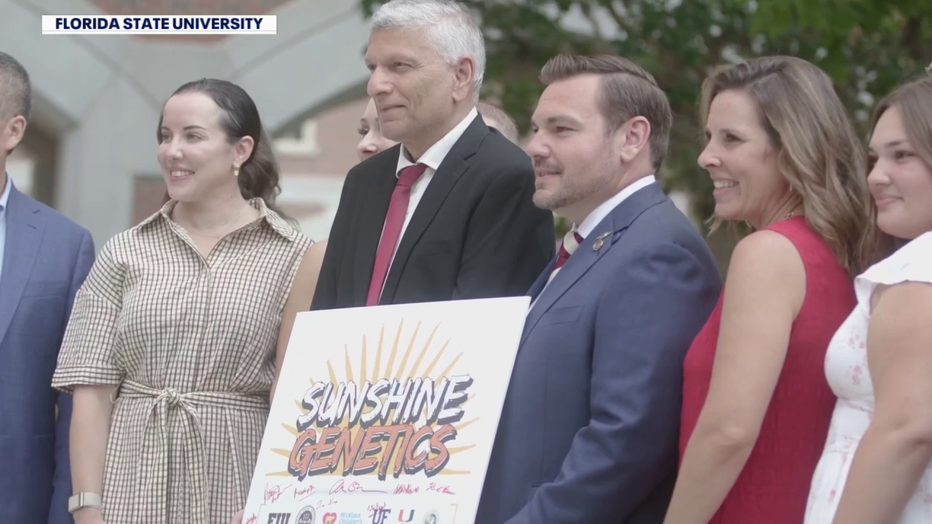
"I did not think that any state would be supporting newborn screening as early as what we saw happen in Florida," she said. "It really sets the stage for what other states should be doing in the future."
The program will begin at Tampa General Hospital this summer before expanding to additional Florida hospitals later this year, including planned sites in Orlando and Miami. It will then roll out to hospitals across Florida over the next five years.
What's unknown
What we don't know:
While supporters are optimistic, researchers say it may take years to fully measure the program's impact on long-term health outcomes, healthcare spending, and the development of new treatments.
Questions also remain about how quickly genomic medicine will continue to advance and how many of the hundreds of conditions identified through screening will have effective treatments available in the future.
The Source: This story is based on interviews with Florida State Rep. Adam Anderson, Tampa General Hospital Chief of Pediatrics Dr. Patricia Emmanuel, and GeneDx President and CEO Katherine Stueland. The reporting also references findings from newborn genome screening research, the American Academy of Pediatrics, studies published in JAMA, and data discussed by GeneDx researchers.