

Florida woman starts leprosy support group as state sees rise in cases
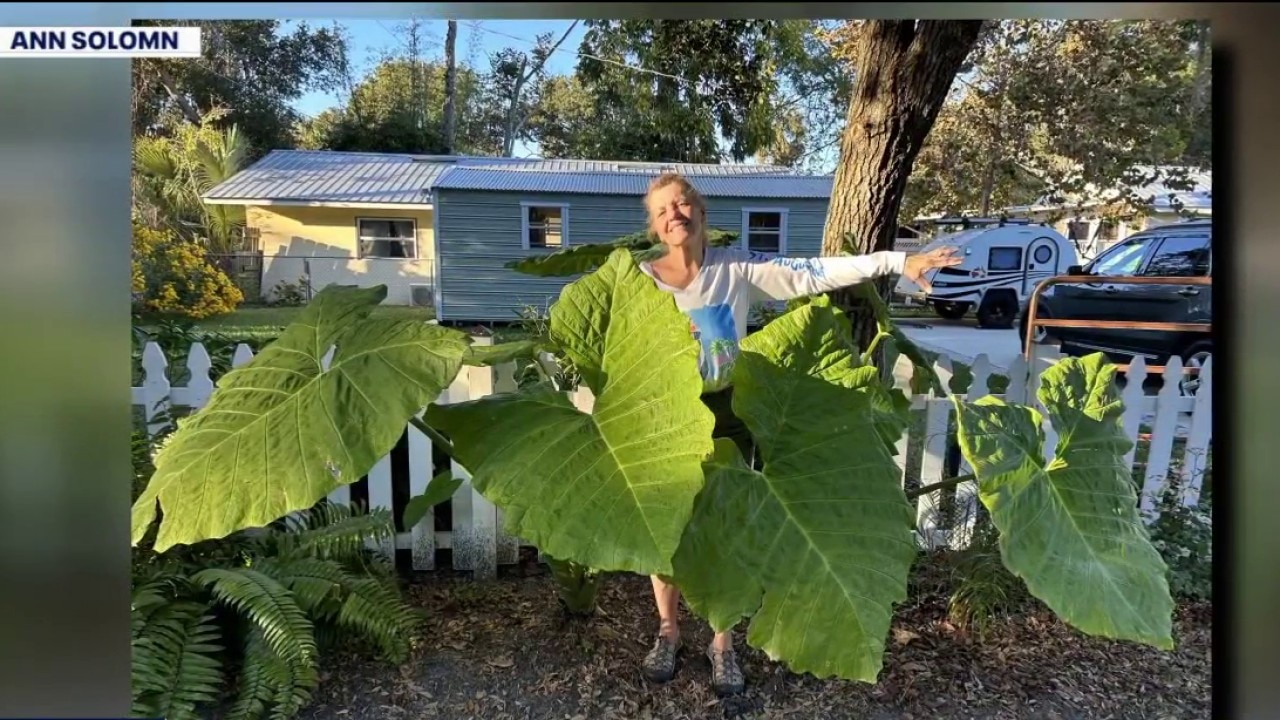
Leprosy support group in Florida
Two women are starting a support group for leprosy patients in Florida in hopes of alleviating the stigma that the disease has, including the belief that it is a thing of the past. FOX 13's Evan Axelbank reports.
JACKSONVILLE, Fla. - Two women are starting a support group for leprosy patients in Florida in hopes of alleviating the stigma that the disease has, including the belief that it is a thing of the past.
Rising infection rates alarm doctors
What we know:
Florida health officials have recorded 17 cases of leprosy so far this year. The state is currently on track to reach or match last year's total of 36 cases.
Most reported cases across the state are concentrated in Central Florida. Experts attribute this concentration to recent population growth and a higher presence of armadillos in the region.
Vector risks in local soil
The backstory:
Leprosy is a treatable bacterial infection that primarily impacts the skin and nerves. Left untreated, the illness can cause severe muscle weakness and lead to finger or toe amputations.
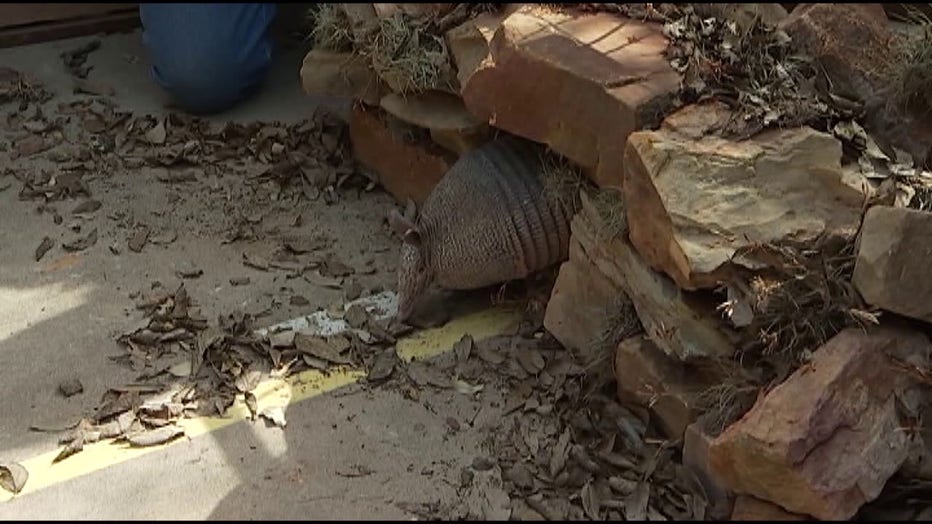
Jacksonville resident Ann Solomn was diagnosed with leprosy last August after a local dermatological group conducted deep tissue testing. Solomn, who frequently gardens, suspects she caught the bacteria from soil contaminated by armadillos.
Armadillos serve as the primary animal carrier of the bacteria. Dr. Norman Beatty of UF, who runs a monthly clinic, advised residents to enjoy armadillos from a distance and avoid handling soil where they roam.
Personal impact and ongoing care
What they're saying:
Despite receiving medical treatment, Solomn continues to experience nerve damage and loss of sensation in her hands and feet.
"I drop my phone all the time," Solomn said. "I'm breaking dishes all the time, I'm clumsy all the time."
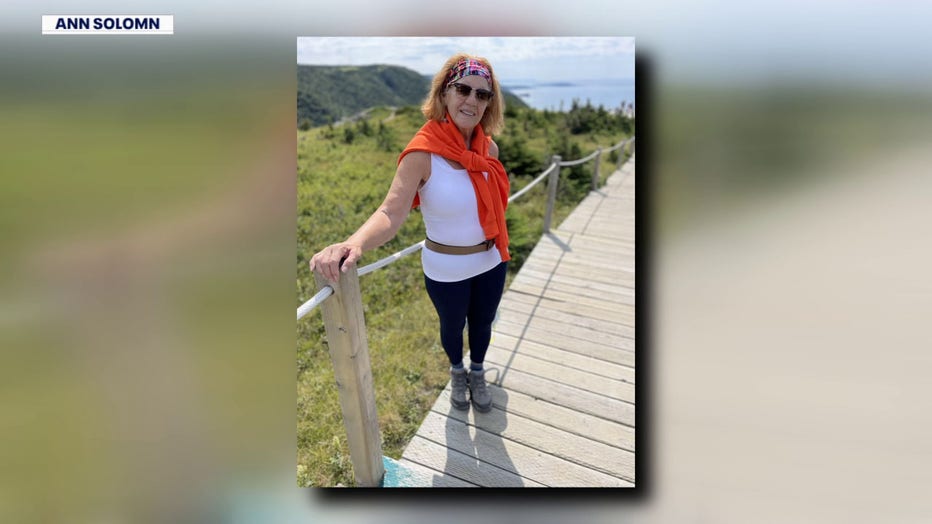
Solomn noted that symptoms have shifted noticeably in recent months.
"I'm very worried at this point, because there's been a significant change in the last couple of months," she said.
Medical transmission and community stigma
What we don't know:
Researchers do not yet fully understand every mechanism of how the bacteria spreads between hosts. Beatty emphasized that pinpointing exact transmission routes is critical to determining future public health risks across the state.
Health experts do not suspect that casual person-to-person contact spreads the infection. Prolonged, direct exposure over a significant period of time is typically required for person-to-person transmission.
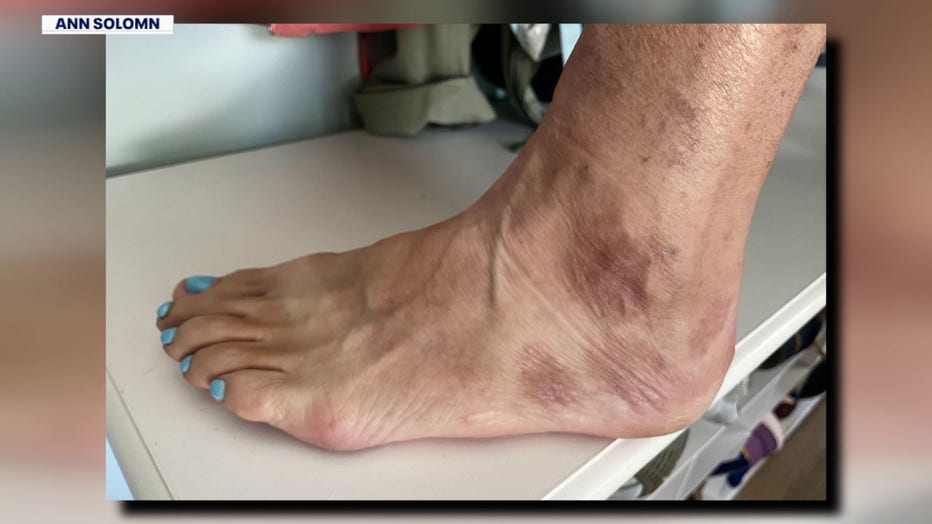
Officials also face ongoing challenges regarding social stigma surrounding the condition. When Solomn shared her diagnosis, a close friend reacted with shock, recalling ancient biblical associations with the disease.
Patient advocacy group launches
What's next:
To combat stigma and assist newly diagnosed individuals, Solomn is co-founding a statewide support group alongside another patient. The initiative aims to encourage open discussion, promote early diagnosis, and create a welcoming environment for patients.
"In the beginning, I was so overwhelmed," Solomn said. "I didn't even know what to ask because I don't know what I don't know. So I'm very hopeful."
Residents seeking details on the support group can send inquiries to clouiseroach@gmail.com.
The Source: The information in this story was gathered from medical commentary provided by Dr. Norman Beatty of UF, patient statements from Jacksonville resident Ann Solomn, and official case reporting data released by Florida health officials.