

Lakeland City Commission holds first public hearing on proposed data center moratorium
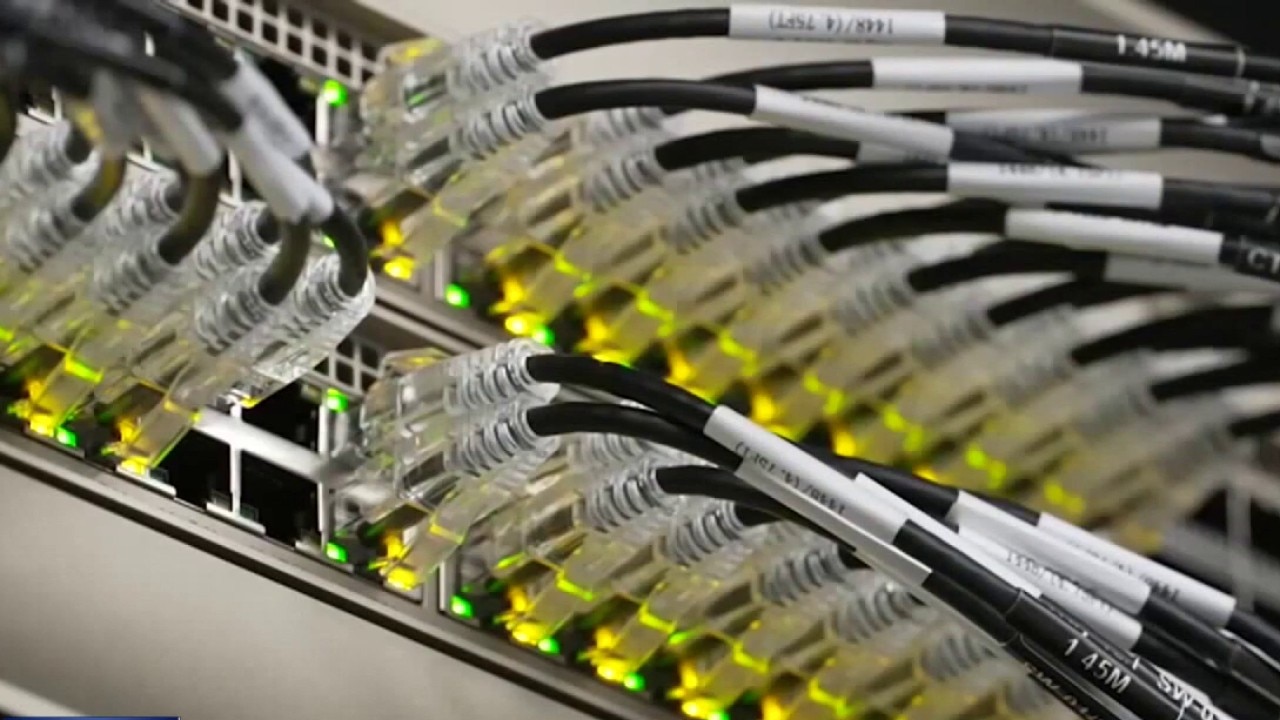
Lakeland considers moratorium on data centers
Lakeland city commissioners held the first public hearing Monday at 9 a.m. at City Hall on a proposed one-year moratorium on new large-scale computing facilities. FOX 13's Carla Bayron reports.
LAKELAND, Fla. - Lakeland city commissioners held the first public hearing Monday at 9 a.m. at City Hall on a proposed one-year moratorium on new large-scale computing facilities.
If approved, the temporary pause would give city leaders time to study how data centers could affect Lakeland's infrastructure, including power demand, water use, traffic and noise. City Attorney Palmer Davis is also expected to present research on how other communities define and regulate large-scale computing facilities.
The proposal requires two public hearings before commissioners can take final action. The second hearing is scheduled for July 20.
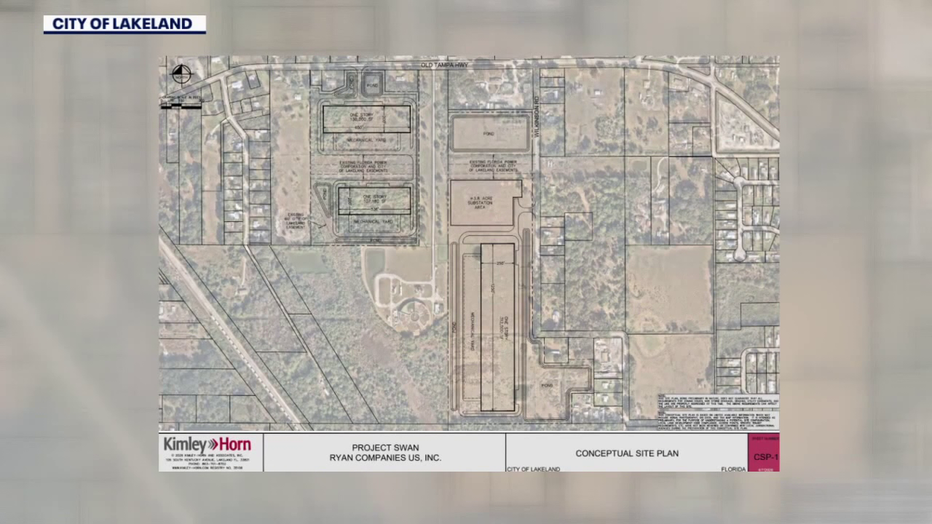
Courtesy: City of Lakeland
Lakeland proposed data center moratorium
The backstory:
The proposed moratorium follows months of public concern over Project Swan, a planned 550,000-square-foot data center near Old Tampa Highway and Wilkinson Road.
Residents raised questions about the facility's electricity demand, water consumption and potential impacts on nearby neighborhoods and wildlife.
In June, commissioners directed staff to draft the temporary moratorium while the city reviews whether additional regulations are needed. The project's developer has since paused its plans while evaluating the city's requests.
Neighborhood environmental pushback
Dig deeper:
Monday's hearing gave commissioners an opportunity to publicly debate the proposed ordinance and hear additional public comment.
One key question is how the city will define "large-scale computing facilities," since that definition will determine which future developments would be affected by the moratorium.
The ordinance, if passed, would allow the city to gather more information about data centers and large-load customers that utilize a monthly peak load of 50 megawatts or more.
What they're saying:
Mayor Sara McCarley says the city's current electrical grid can't handle that demand.
"The capacity is not accessible yet, so that's why this is a longer discussion—figuring out how we can do it, what we can do, and what we're mandated to do by the state if anything changes. But as we currently sit, the largest user we have is 18 megawatts."
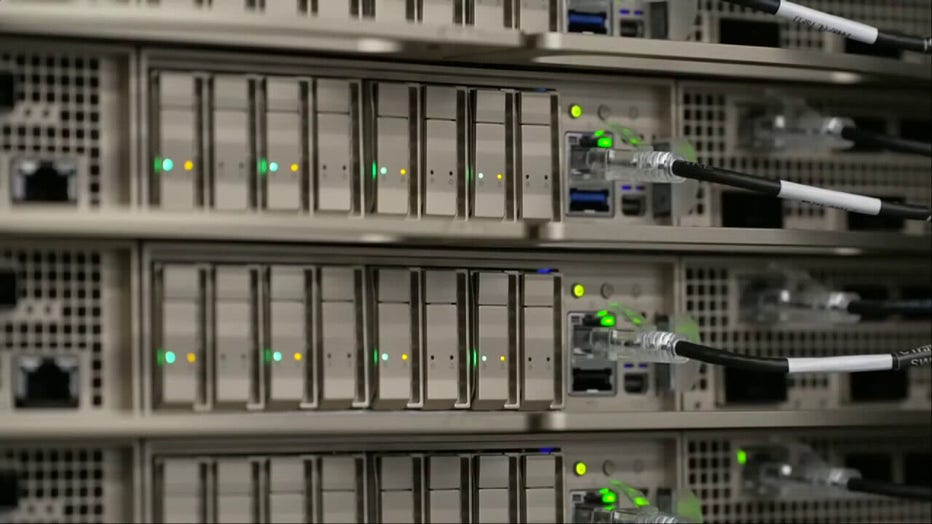
Tyler Lohmiller, the developer of Project Swan, says the 500,000-square-foot facility is a cloud data storage "edge" facility. It would require 100 megawatts of power if Lakeland Electric had the capacity to supply it.
The facility will not use water for cooling, but if water is ever needed, a nearby wastewater treatment plant could be an option.
"We, as a developer and user, would develop that 'pay-to-play.' That's what the industry currently is for data centers," said Lohmiller. "We're not looking for handouts or really anything. We're here to play and partner with the city of Lakeland."
Many residents who spoke during public comment supported a temporary pause on new data center applications.
They voiced common concerns, including noise pollution, water use, energy consumption, traffic, impact on local wildlife, unwanted surveillance, and health issues.
"It's about making sure innovation is responsible," said Deva Simmons, candidate for Congress District 18 and a Lakeland Resident. "It gives scientists, local governments and utility providers, environmental experts and community members the opportunity to establish clear, national standards that protect our natural resources while supporting economic growth."
Final ordinance voting
What's next:
Commissioners are not expected to make a final decision today. Final consideration of the ordinance is expected during the second public hearing on July 20, followed by a final public hearing on August 3.
The Source: Information for this story was gathered from the Lakeland City Commission agenda for July 6, previous commission discussions and city documents related to the proposed temporary moratorium on large-scale computing facilities.