

Measles concerns grow ahead of Thanksgiving travel as doctors warn of risks to infants
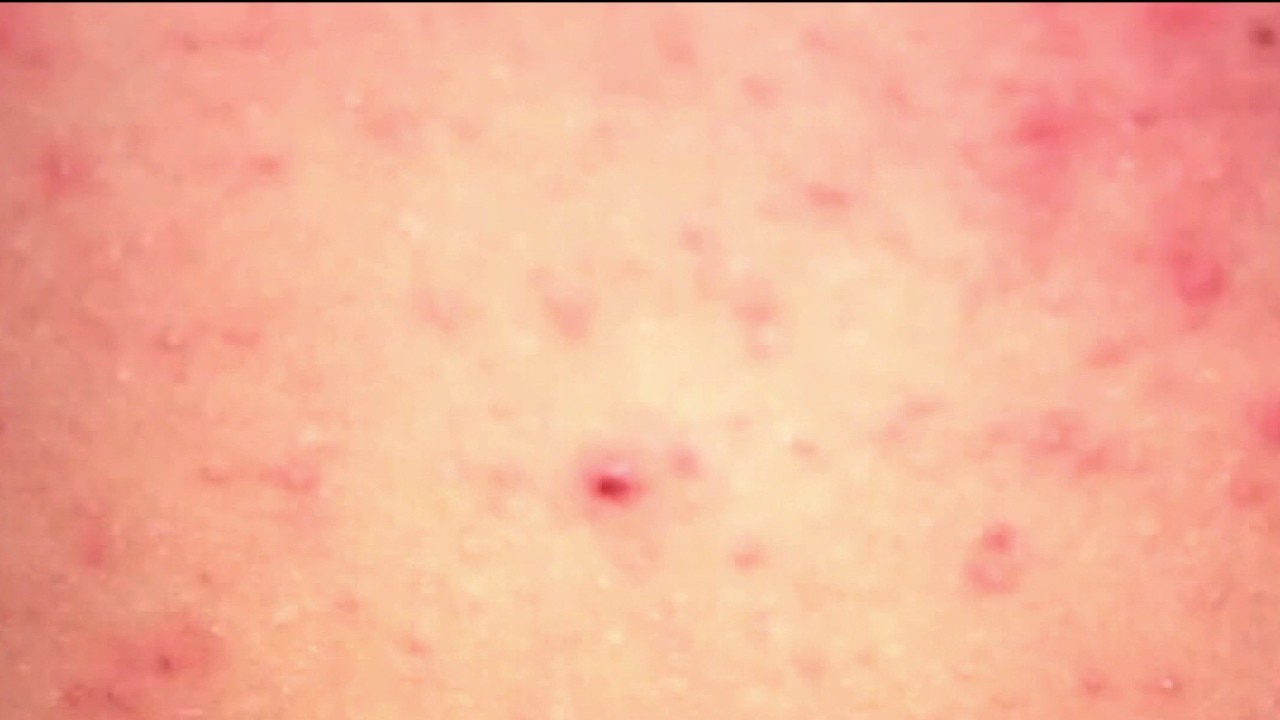
Concerns grow over measles and the holidays
With pockets of measles outbreaks across the country, it could create more opportunities for it to spread. That's particularly concerning for families with infants too young to be vaccinated and people with compromised immune systems. FOX 13's Genevieve Curtis reports.
TAMPA, Fla. - As millions of Americans prepare to travel for Thanksgiving, infectious disease experts are raising concerns about the spread of a virus that generations of Americans have largely been protected from: measles.
Declining vaccination rates are eroding the herd immunity that has protected communities for decades. With pockets of measles outbreaks across the country, holiday travel and large family gatherings could create more opportunities for the highly contagious virus to spread.
Measles contagiousness and severe risks
Why you should care:
Dr. Kami Kim, an infectious disease specialist with USF and Tampa General Hospital, said the success of the measles vaccine may have contributed to a diminished understanding of just how dangerous the disease can be.
"Measles is one of the ones that I think it's been such a success that people just haven't seen all the bad stuff that can happen," Kim said.
Measles is even more contagious than COVID-19 and can linger in the air for up to two hours after an infected person leaves a room.
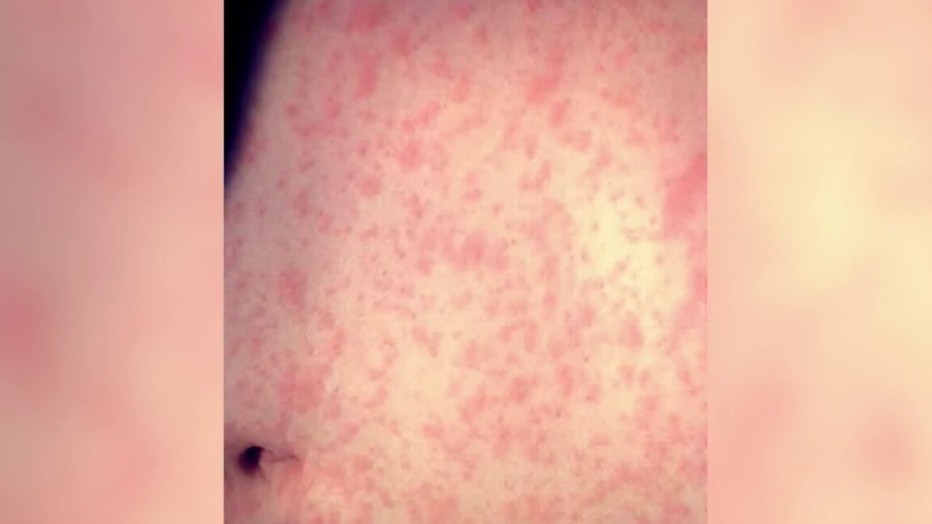
"Most people haven't seen a case of measles. So they don't understand how bad measles can be," Kim said.
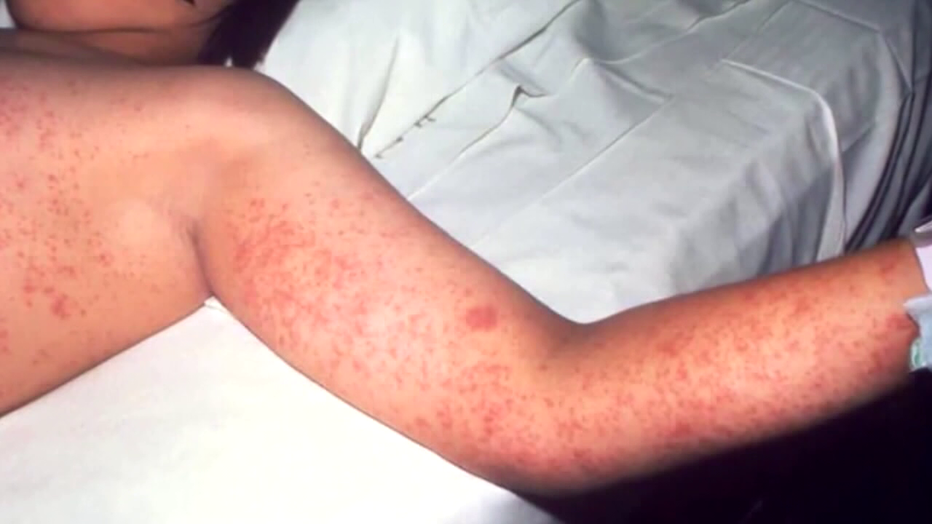
Measles can lead to serious complications, including pneumonia, brain swelling and, in some cases, death.
Protecting vulnerable infants from measles
Big picture view:
Among the biggest concerns for doctors is protecting infants who are too young to receive their routine measles, mumps and rubella (MMR) vaccination. Children typically receive their first dose of the MMR vaccine between 12 and 15 months old.
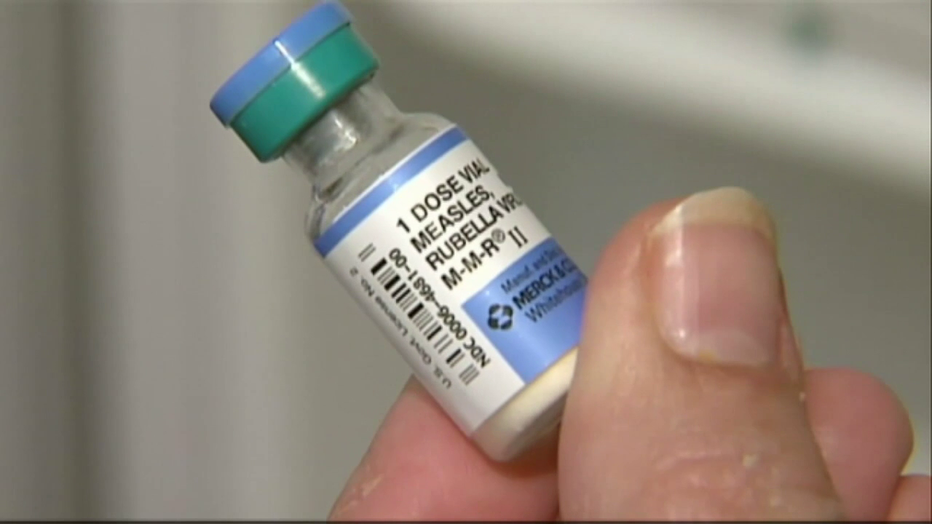
While mothers with immunity to measles can pass protective antibodies to their babies during pregnancy, that protection can begin to diminish within the first several months of life, leaving a window of vulnerability before routine vaccination.
"If you've got a vulnerable person like your baby, it's so hard to protect them. It just sweeps through the community," Kim said.
For parents planning to travel to areas experiencing measles outbreaks, Kim encourages conversations with their pediatricians about whether an early dose of the MMR vaccine is appropriate.
Infants between 6 and 11 months old may be eligible for an early dose under certain circumstances. Children who receive an early dose will still need the two routinely recommended doses after their first birthday.
History of U.S. measles elimination
The backstory:
Measles was declared eliminated in the United States in 2000, thanks to widespread vaccination. That means the disease stopped spreading continuously within the country, though imported cases and outbreaks have continued to occur.
The success of vaccination has meant many physicians have spent their entire careers without treating a confirmed case of measles. Even Kim, who has spent years specializing in infectious diseases, has never treated a confirmed measles case.
"We've seen rule out measles, but I've never seen a case of measles," Kim said. "And I've been practicing a pretty long time."
Kim also cautioned against intentionally exposing children to measles in an effort to build natural immunity, comparing the practice to taking an unnecessary and potentially life-threatening risk.
"It's like deliberately running across the highway when trucks are coming by," Kim said. "It's, like, why would you do that?"
Holiday travel measles safety steps
What's next:
Ahead of the busy holiday travel season, Kim encourages families to be mindful of where they are traveling, whether their destination is experiencing an outbreak and who they are gathering with.
Doctors recommend families review their vaccination records and speak with their pediatricians about additional precautions, particularly if they have infants or immunocompromised family members.
Maintaining high vaccination rates not only protects those who receive the vaccine but also helps protect those who cannot.
For infectious disease specialists like Kim, the hope is that a disease they've spent much of their careers reading about, rather than treating, stays that way.
The Source: The information in this story was gathered from Dr. Kami Kim, an infectious disease specialist with the University of South Florida and Tampa General Hospital, who explained the risks of declining vaccination rates and holiday travel, as well as general public health guidance on measles elimination and MMR vaccine schedules.