

Amendment 3 property tax cut: Legal questions, local fees and unfinished rules to watch
Amendment 3 property tax cut: legal questions, local fees and unfinished rules to watch
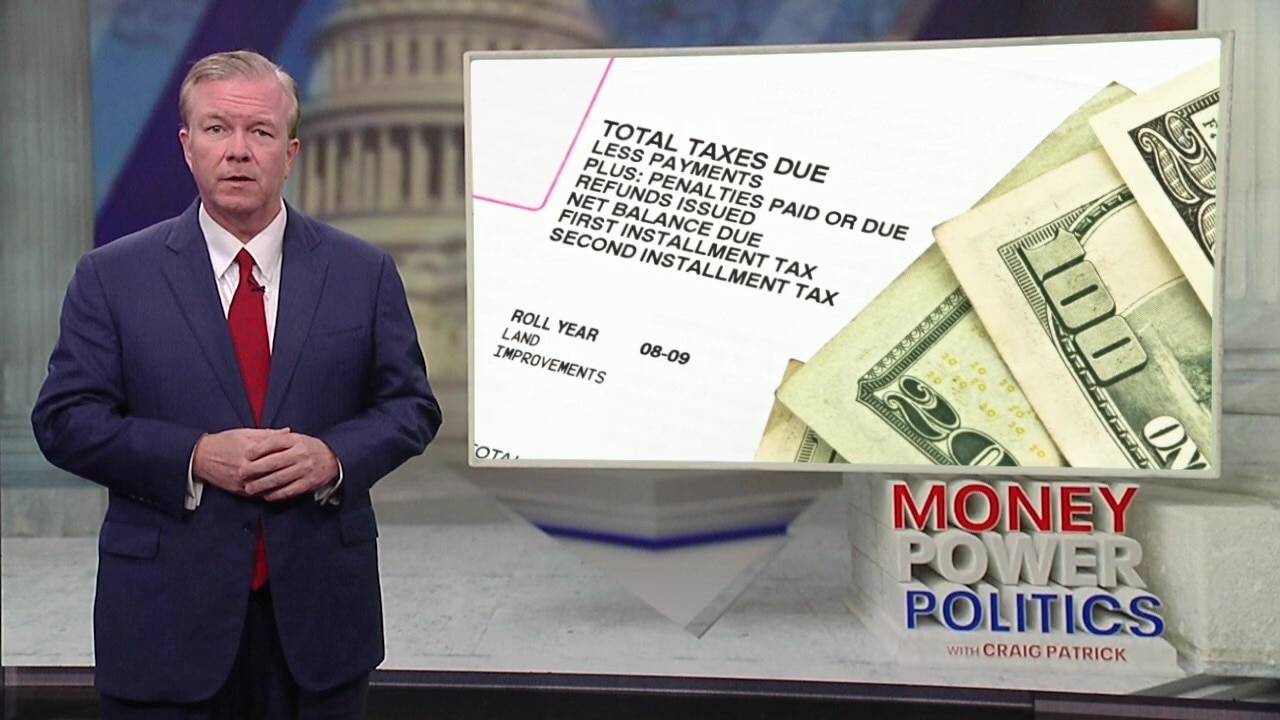
Voters fed up with the high cost of living passed a big property tax cut with Amendment 3, but local governments could claw back much of it with new dedicated fees and higher tax rates, turning a tax cut into a tax swap. Tampa Bay homeowners could also end up helping fund small, rural counties that could take a disproportionate hit, paying new fees and seeing local services cut all at once. FOX 13's Craig Patrick reports.
TAMPA, Fla. - Voters fed up with the high cost of living passed a big property tax cut with Amendment 3, but local governments could claw back much of it with new dedicated fees and higher tax rates, turning a tax cut into a tax swap. Tampa Bay homeowners could also end up helping fund small, rural counties that could take a disproportionate hit, paying new fees and seeing local services cut all at once.
What homeowners can expect
Big picture view:
Your mortgage company may not lower your escrow payment until after your first reduced tax bill arrives in late 2027. By then, local governments could offset the cut with new taxes and fees, leaving you paying the same or more.
State Rep. Lindsay Polega-Quigley, a St. Petersburg Democrat, questioned whether shifting the burden solves anything. "What are people going to feel if we ship this tax to another place?" she asked. "Did it solve any of our problems?"
By the numbers:
- $150,000: the homestead exemption for non-school taxes in 2027, up from about $50,000.
- $250,000: the exemption in 2028.
A possible court fight over the five-year wait
The backstory:
As written, people who are not permanent Florida residents by Dec. 31 must wait five years before they get the expanded exemption. Attorneys say the wait could violate equal protection under the law by penalizing newcomers. The state Supreme Court struck down a similar five-year residency requirement for an expanded homestead exemption in 1982.
What's next:
Homeowners who miss out could sue to strike down Amendment 3, or at least the waiting period. Removing the waiting period would deepen the hit to local governments, and sheriffs already face tough choices. Flagler County Sheriff Rick Staly said his agency has frozen every vacant position. "There is no new hiring," he said.
New fees could turn a tax cut into a tax swap
To make up for the coming cut, Staly proposed a dedicated property tax, which would raise taxes to offset the tax cut. Other local governments are weighing new dedicated fees for waste, stormwater, fire protection and more. Flagler County Attorney Michael Rodriguez explained how those fees work. "That money does not go into the general fund," he said. "It goes into its specific fund, dedicated fund to pay for what it's being taxed for."
Why you should care:
Dedicated fees show up on a different part of your property tax bill. They do not depend on the value of your home, so your homestead exemption does not reduce them. Because the fees are the same across the board, owners of small homes can pay the same as owners of beachfront mansions, which takes a bigger bite out of people with less. Local governments that have not reached their rate caps can also raise tax rates across the board.
Lawmakers weigh how to respond
What they're saying:
House Speaker Sam Garrison, a Republican, supports Amendment 3 and worked to pass it, but he said the cut has a cost. "There's no such thing as a free lunch," he said. "The laws of economics remain undefeated."
Gov. Ron DeSantis wants lawmakers to act before he leaves office, by limiting local governments from pulling an "end run around the amendment and taxing them in other ways." Senate President Jim Boyd, a Republican, does not see the same rush. "We do have time in the regular session to talk about it and to vet the ideas and the issues," he said.
The core tax cuts take effect automatically, but the Legislature still has work to do. Lawmakers must set a procedure for cities and counties that want to raise homestead exemptions even higher, all the way to exempting homesteads entirely. They will likely also write more detailed rules for property appraisers to follow.
Small rural counties face the biggest hit
- 14: fiscally constrained counties, which are small, rural counties that rely heavily on property tax revenue.
- 90% to 97%: share of homesteads in those counties that would owe no property tax except for schools once the exemption reaches $250,000.
What they're saying:
Gov.-elect Byron Donalds, a Republican, promised help. "For the fiscally constrained counties, we are not gonna forget them," he said. "We're gonna have their back and make that work."
Local perspective:
The state could create a fund for those counties, but the money would come from state taxpayers, so one taxpayer pot would refill another. Lawmakers would also have to decide which counties qualify. Tampa Bay area homeowners could end up helping fund them, while paying new dedicated fees and seeing local services cut, all at once.
A warning from the last Amendment 3
The backstory:
Voters passed another property tax cut a decade ago, also called Amendment 3. As written, it gave a property tax exemption to totally and permanently disabled first responders living in Florida. The Legislature then had to pass a bill to implement it, and the fine print in that bill excluded most of those first responders.
Seminole County Property Appraiser Dave Johnson said he and the state's 66 other property appraisers, who had to administer the law, were shocked. Lawmakers who voted for the bill were surprised too. Former state Sen. David Simmons said the language was not clear. They said they excluded most of those first responders by mistake. One representative added a line requiring that injuries occur while serving in Florida or in an operation the state authorized, and other lawmakers missed it. Former state Rep. John Cortes blamed communication. "That's our problem," he said. "We have a bad communication problem."
Could stadiums and commercial growth fill the gap?
What they're saying:
Hillsborough County Commissioner Harry Cohen said local governments have limited ways to recover the lost revenue without raising taxes or fees. "The only way to recover some of that money without tax increases or fee increases is to increase the tax base of commercial and non-homestead property," he said. He pointed to the city and county deal to build a new baseball stadium for the Rays. "The passage of Amendment 3 actually makes it more important for us to have opportunities like this," he added.
Amendment 3 could push more local governments to chase big commercial projects, like stadiums, to grow their tax bases.
The Source: This report draws on interviews with state lawmakers, Gov.-elect Donalds, local officials, property appraisers and former lawmakers, along with public remarks from Gov. DeSantis and Sheriff Staly. It also draws on the text of Amendment 3, the 1982 state Supreme Court ruling on residency requirements and the legislation that implemented the earlier first responder exemption.