

New COVID-19 variant spreading through multiple states: What to know
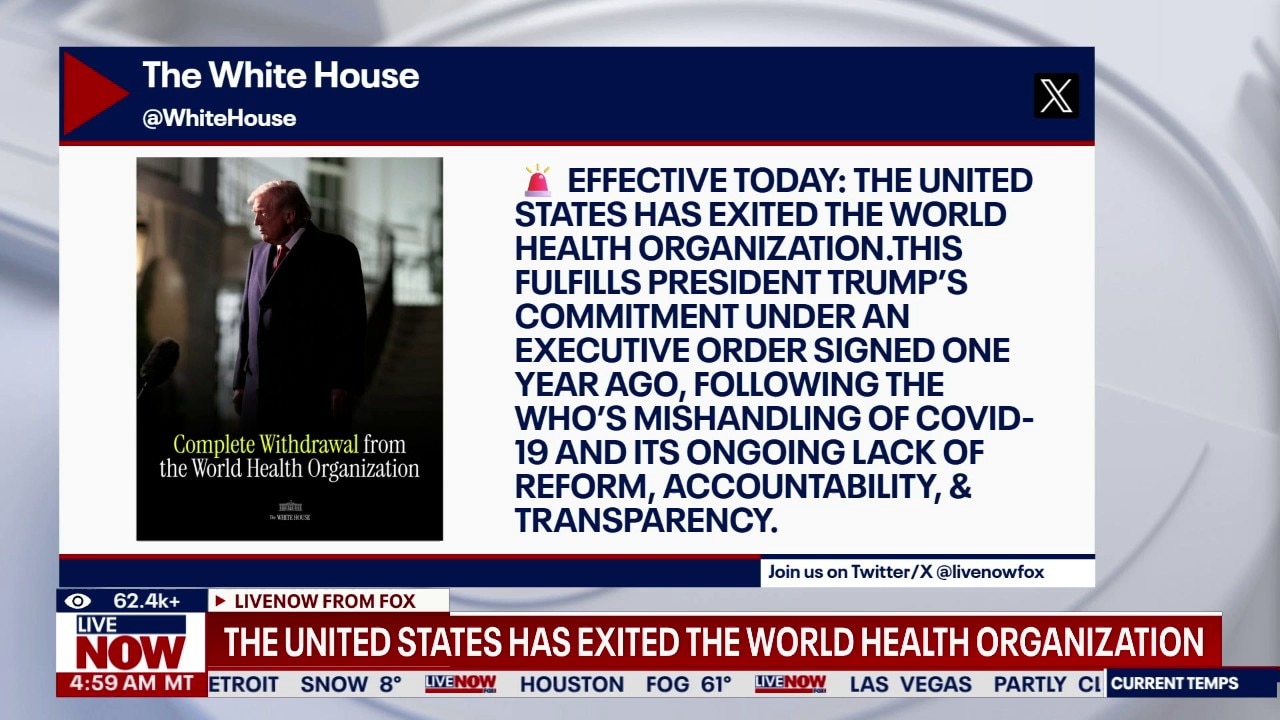
US leaves World Health Organization over handling of COVID-19
Effective January 2026, the United States has officially exited the World Health Organization.
A new COVID-19 variant is spreading in the U.S. and could evade immunity from vaccines and previous COVID infections.
Here’s what we know about BA.3.2:
What is BA.3.2?
Why you should care:
According to the Centers for Disease Control and Prevention, the new COVID-19 BA.3.2. variant has mutations in the virus that could evade immunity from a previous infection or vaccination.
Timeline:
The COVID-19 BA.3.2. variant was first detected in South Africa in 2024, with a notable increase in cases starting in September 2025. It was first detected in the U.S. in June 2025.
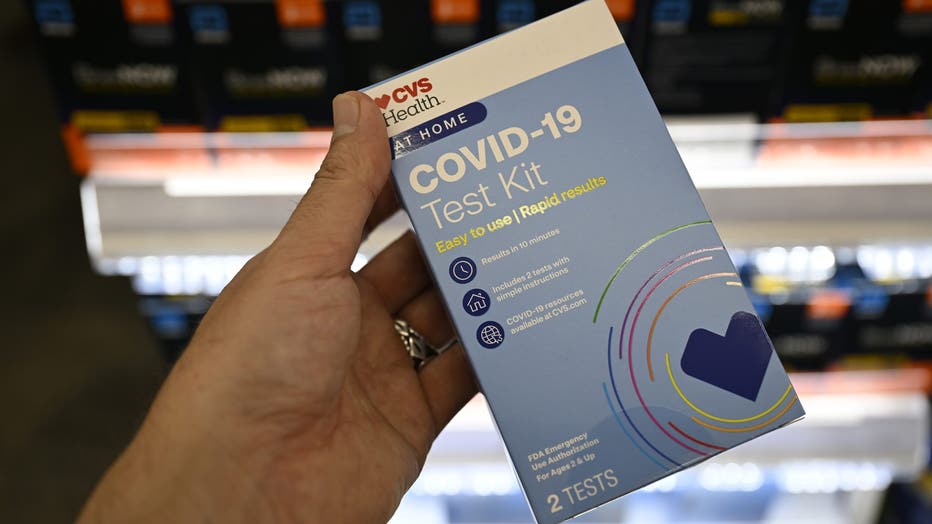
FILE - A COVID-19 test kit is seen in a CVS store in Foster City, California, United States on August 28, 2025 (Photo by Tayfun Coskun /Anadolu via Getty Images)
As of February 11, 2026, BA.3.2 had been reported in 23 countries. In the U.S., it was detected in nasal swabs from four travelers, three airplane wastewater samples, clinical samples from five patients, and 132 wastewater samples from 25 U.S. states.
Where has BA.3.2 spread?
Local perspective:
According to the CDC, wastewater samples showed the variant in the following states:
- California
- Connecticut
- Florida
- Hawaii
- Idaho
- Louisiana
- Maine
- Maryland
- Massachusetts
- Michigan
- Missouri
- Nevada
- New Hampshire
- New Jersey
- New York
- Ohio
- Pennsylvania
- Rhode Island
- South Carolina
- Texas
- Utah
- Vermont
- Virginia
It was also detected in respiratory samples at San Francisco International Airport and Washington Dulles International Airport in Virginia.
Uncounted COVID-19 deaths
Dig deeper:
The new variant’s spread comes on the heels of a new study that finds the COVID-19 pandemic’s early death toll was much higher than the official U.S. count.
RELATED: Over 150,000 COVID-19 deaths went uncounted early in pandemic, study finds
About 840,000 COVID-19 deaths were reported on death certificates in 2020 and 2021. A group of researchers — using a form of artificial intelligence — estimate that as many as 155,000 additional deaths likely occurred in that time outside of hospitals. That would mean about 16% of COVID-19 deaths went uncounted in those years.
Researchers found the undiagnosed dead were more likely to be Hispanic people and other people of color, who had died in the first few months of the pandemic, and who had been in certain states in the South and Southwest — including Alabama, Oklahoma and South Carolina.
The Centers for Disease Control and Prevention data count more than 1.2 million COVID-19 deaths since the pandemic erupted in early 2020. More than two-thirds of those reported deaths occurred in 2020 and 2021.
The Source: This article includes information from the Centers for Disease Control and Prevention and The Associated Press. FOX’s Chris Williams contributed.