

Pinellas County, Army Corps reach deal to restore federal beach renourishment funding
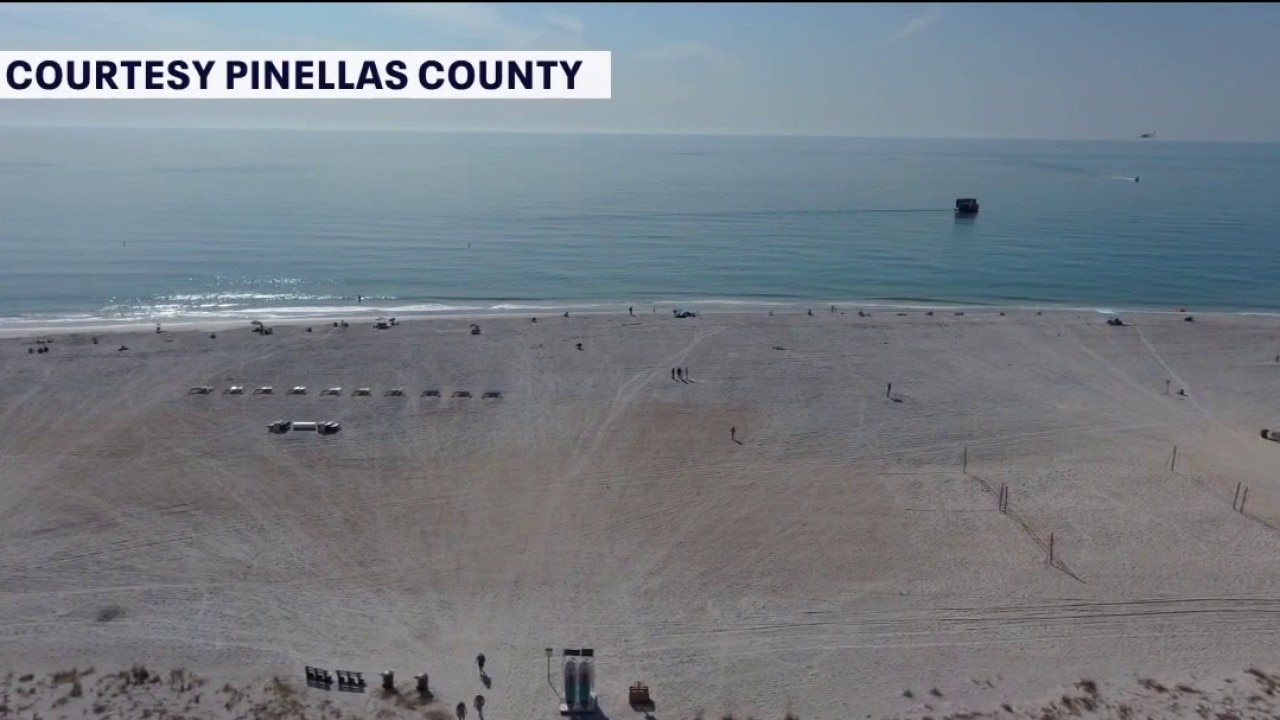
Pinellas County, Army Corps sign beach agreement
Pinellas County leaders and the Army Corps of Engineers signed a major agreement Friday to restore federal cost-sharing for local beach renourishment projects. FOX 13's Kailey Tracy reports.
NORTH REDINGTON BEACH, Fla. - Pinellas County leaders and the Army Corps of Engineers signed a major agreement Friday to restore federal cost-sharing for local beach renourishment projects.
The pact effectively concludes years of gridlock over strict federal easement regulations that had stalled vital storm protection efforts.
Beach project funding agreement
What we know:
Pinellas County and the Army Corps of Engineers have officially entered into a pact that provides enhanced flexibility to tailor easement language for local shorelines.
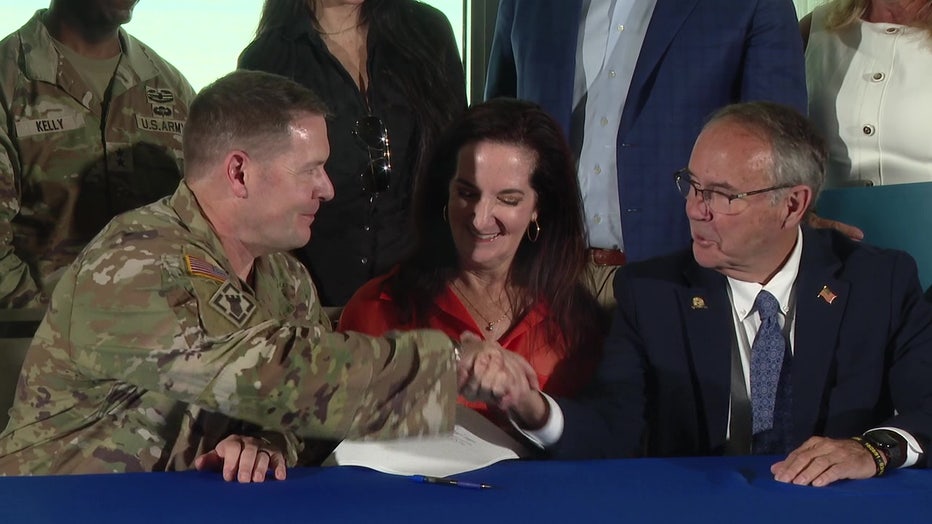
Under this updated policy interpretation, local governments can pass ordinances guaranteeing public beach access to fulfill federal requirements, bypassing the previous demand for individual property signatures.
This agreement revives federal financial partnerships that help defend an $11 billion tourism ecosystem and critical regional infrastructure against severe weather.
Pinellas easement gridlock history
The backstory:
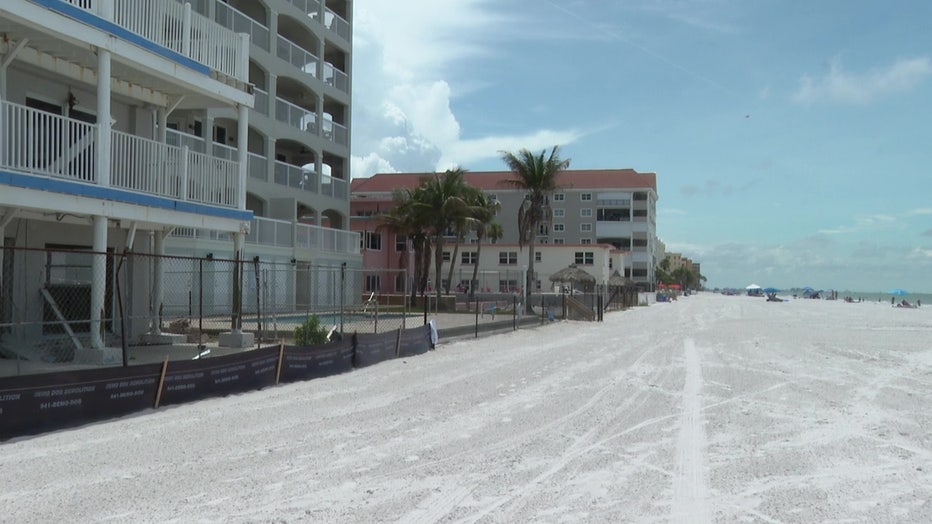
The dispute began in 2018 when the Army Corps of Engineers enforced strict cost-sharing rules requiring all affected homeowners to sign perpetual easements.
Because securing these permanent land rights from every property owner proved highly challenging, the agency paused all federal funding contributions.
Local leaders noted that subsequent attempts to negotiate alternatives with the agency mostly met with excuses or silence.
Post-hurricane tourism tax spending
By the numbers:
Natural erosion typically requires sand replacement along the county shoreline every six years.
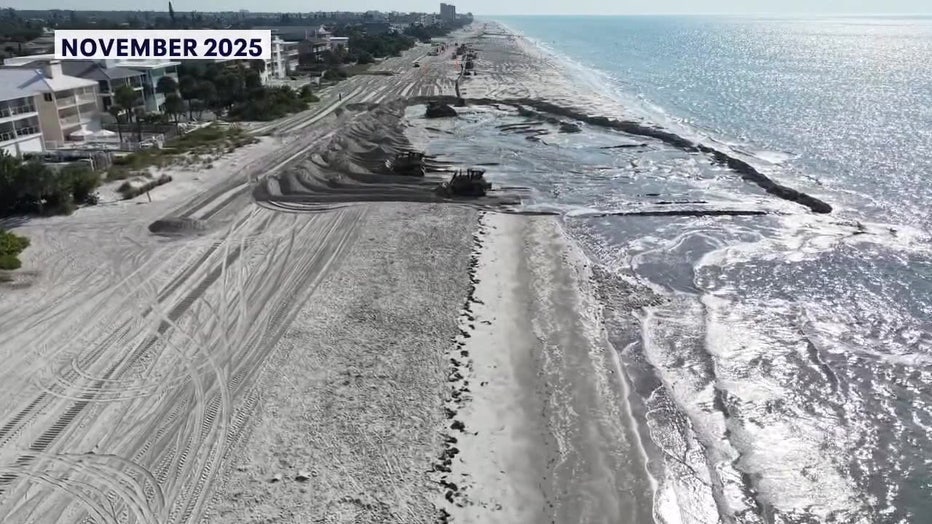
Following severe hurricane impacts, local officials had to bypass federal channels and spend more than $100 million from the tourist development tax to repair damaged shorelines independently.
Regional storm surge defense
Big picture view:
Federal officials emphasized that local beaches act as vital defense systems, operating similarly to river levees found in other regions.
These sandy barriers protect coastal properties as well as expansive inland sections of the county from dangerous storm surge generated by systems like hurricanes Ian, Helene and Milton.
Coastal leaders praise policy shift
What they're saying:
"Beaches provide critical protection for infrastructure and coastal communities and support the county's $11 billion tourism industry," Pinellas County Commissioner Kathleen Peters said.
"Instead of homeowners being required to give up some of their personal property rights, that's no longer a thing," Rep. Anna Paulina Luna said. "We have the Army Corps that's willing to work with us to find a solution."
"The key policy interpretation that we were able to make was that the public access to the beaches fulfills the need for perpetual easement," Assistant Secretary of the Army for Civil Works Adam R. Telle said.
Federal cost share variables
What we don't know:
Officials have not yet confirmed the exact percentage of the financial tab the Army Corps of Engineers will pick up for upcoming renourishment operations.
While the federal agency historically covered 65% of these project costs prior to 2018, the specific funding breakdown under the newly tailored framework remains unannounced.
Future shoreline engineering goals
What's next:
County commissioners plan to initiate beach renourishment operations within the next six years utilizing federal assistance.
Moving forward, the restored cost-sharing framework will allow local leaders to protect regional coastlines while preserving tourist tax funds for alternative visitor experiences and economic growth projects.
The Source: The information in this story was gathered from Pinellas County commissioners and Rep. Anna Paulina Luna, who held a signing ceremony, as well as Assistant Secretary of the Army for Civil Works Adam R. Telle , who explained how the federal policy shift occurred.