

St. Pete food pantry sees growing demand; more families facing hunger than during height of pandemic
Widespread food insecurity
More Americans are struggling to put food on the table than at any point since the height of the COVID-19 pandemic, according to a new survey from the Federal Reserve Bank of New York. FOX 13's Genevieve Curtis reports.
ST. PETERSBURG, Fla. - More Americans are struggling to put food on the table than at any point since the height of the COVID-19 pandemic, according to a new survey from the Federal Reserve Bank of New York.
The survey found food insecurity is now more widespread than it was during the summer of 2020, when the pandemic caused double-digit unemployment and forced many families to seek help for the first time.
St. Pete food pantries seeing growing demand
Local perspective:
In St. Petersburg, local food pantries say they are seeing that need firsthand.
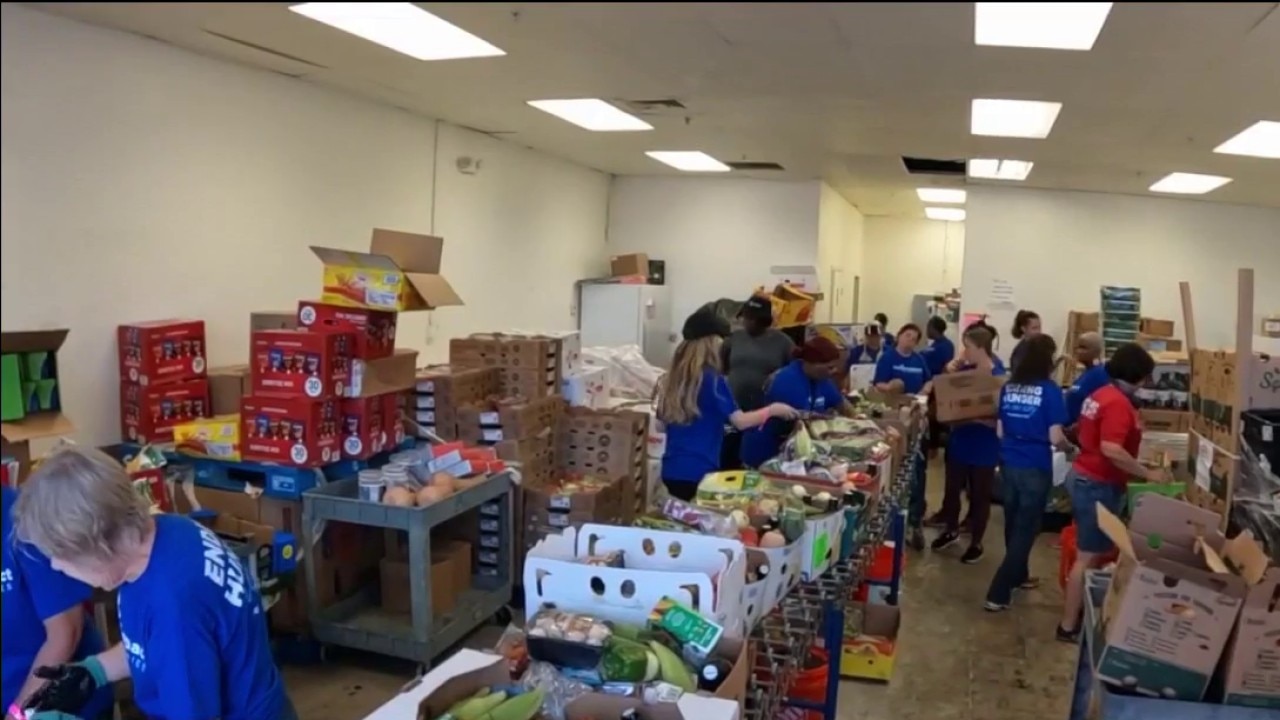
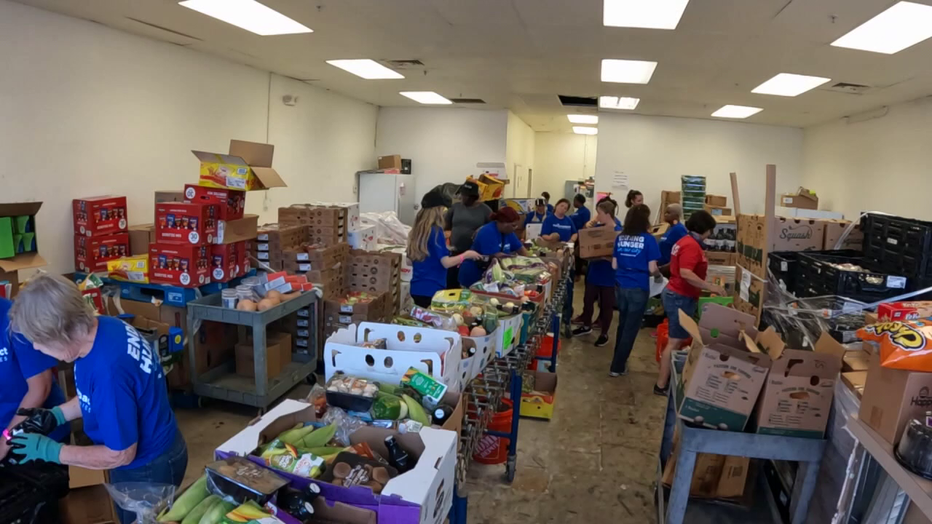
At Positive Impact St. Pete, Executive Director Karen Rae said families regularly wait hours in line to receive groceries.

"We have individuals and families getting in the car line before the sun rises and waiting hours to receive groceries," Rae said.
Rae said the demand reflects what national data is showing: more households are skipping meals, relying on food donations and turning to assistance to help make ends meet.
"I believe that the need is greater today than it was in 2020 during the pandemic, because the incomes have not increased with the cost of gas increasing, with the costs of groceries increasing," Rae said.
Working families struggling
Dig deeper:
Rae said the people coming through the line are often working families, including essential workers, who are still falling short.
"The misconception is that the families that we're providing food for may not have a job," Rae said. "No, they very much have jobs. These are working-class families, essential workers who are not earning enough to pay for all the basics."
Summer months add pressure
The need can grow even more during the summer months, when children are no longer receiving breakfast and lunch at school.
Rae said for a family with two children, that can mean providing as many as 80 additional meals every month.
In Pinellas County, Rae said even households earning what once may have been considered a solid income are now struggling.
"If they are earning anywhere between $40,000 to $70,000 a year, they're struggling to pay for all of the basics, which is hard to believe, but it's a fact," Rae said.
Nonprofit volunteer operations
What you can do:
Positive Impact St. Pete said the summer months are when the organization especially needs additional volunteers and donations to help meet the demand.
The Source: Information for this story was gathered from a Federal Reserve Bank of New York survey on food insecurity and an interview with Karen Rae, the executive director of Positive Impact St. Pete.