

USF marine science fire: St. Pete recovery operations save vital scientific research despite heavy damage
USF marine lab recovers research after fire
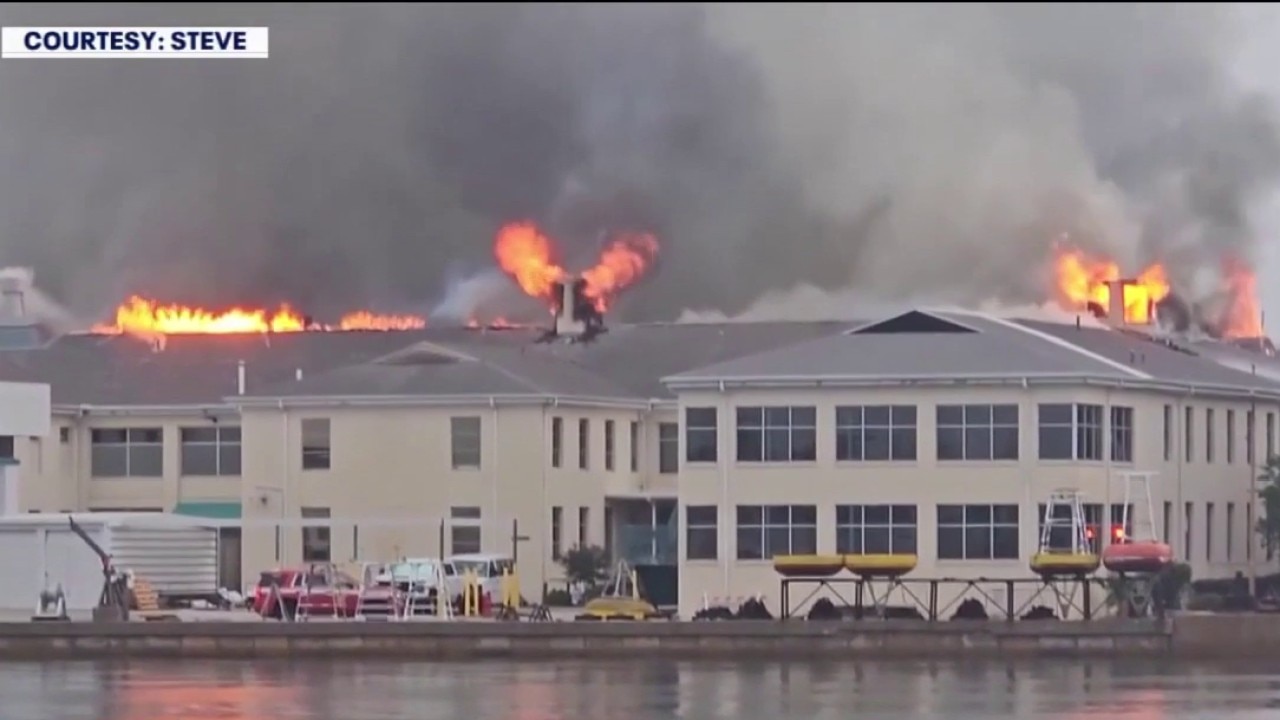
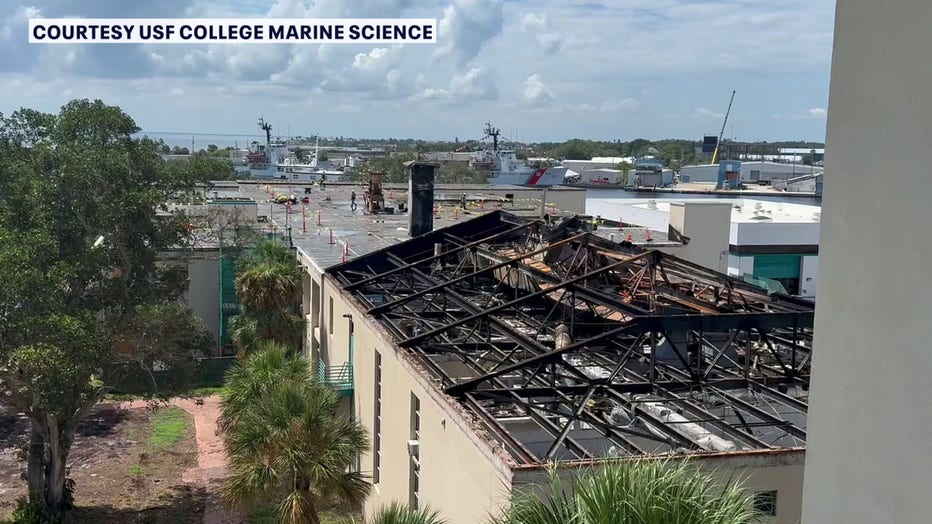
University leaders announced that recovery operations have yielded remarkably successful results two months after a lightning fire heavily damaged the University of South Florida St. Petersburg's College of Marine Science in May. FOX 13's Aaron Mesmer reports.
ST. PETERSBURG, Fla. - University leaders announced that recovery operations have yielded remarkably successful results two months after a lightning fire heavily damaged the University of South Florida St. Petersburg's College of Marine Science in May.
St. Petersburg campus recovery
What we know:
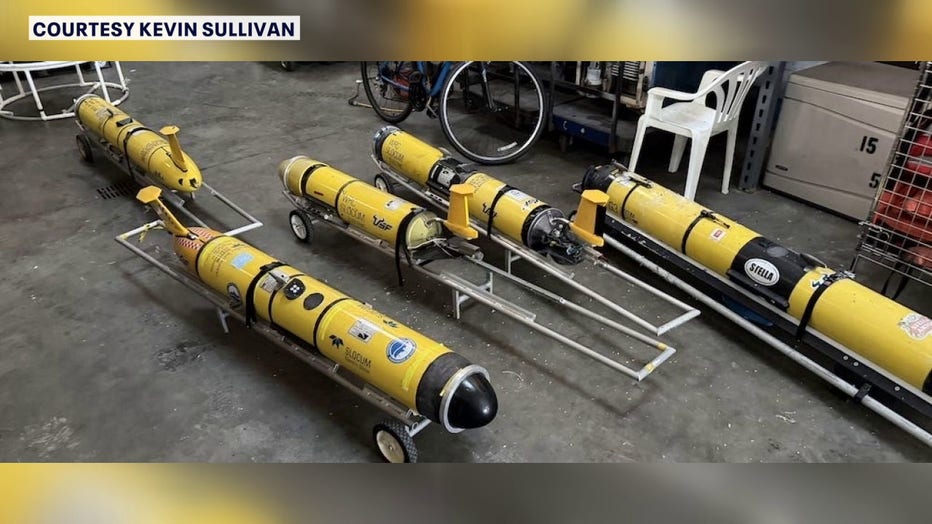
University officials initially feared a total loss of decades of environmental data and millions of dollars in highly specialized lab equipment. College of Marine Science Dean Tom Frazer noted that the facility likely lost millions of dollars in computers and potentially tens of millions of dollars in analytical equipment.
PREVIOUS: USF marine science research destroyed in St. Pete lab fire caused by lightning strike
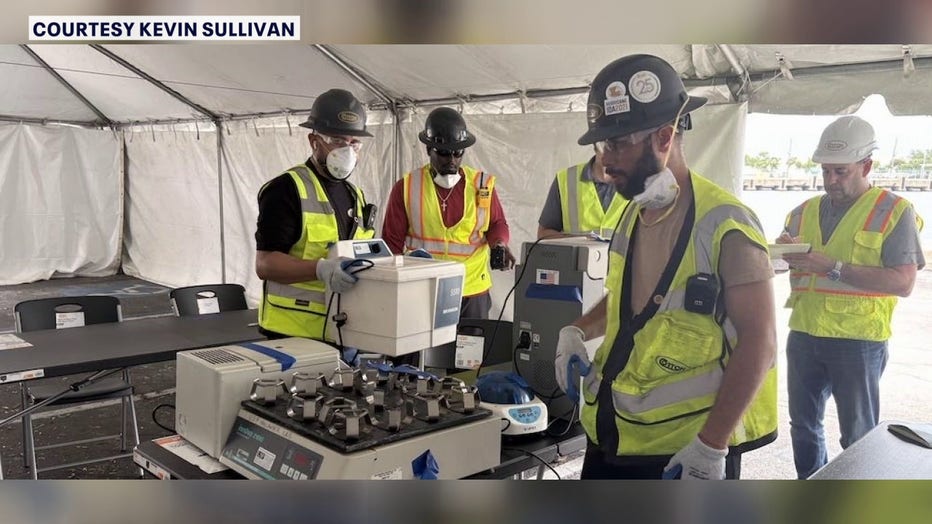
Despite the severe structural damage, emergency teams successfully extracted more than 30 freezers, crates, bins and boxes from the building. Researchers preserved vital global specimens, including water samples, biological fish tissues, soil samples and plants.
Scientific research preservation
Why you should care:
The salvaged materials provide scientists with an irreplaceable historical chronicle tracking environmental conditions over long periods of time. Frazer emphasized that these unique timelines are incredibly difficult for a university to replace.
Technicians also successfully retrieved the vast majority of scientific data housed on the facility's main computer servers. This crucial recovery prevents the permanent loss of years of intricate scientific research and analysis.
RELATED: USF Marine Laboratory devastated by two-alarm blaze
Future facility planning
What we don't know:
University officials say planning and construction of a new facility would likely take more than a year, but they weren’t ready to put a timeframe on this kind of project.
Marine science resilience
What they're saying:
Frazer highly praised the intense dedication of the campus faculty, staff and researchers who scrambled to protect the collection.
"It's an incredibly resilient group," Frazer said.
Next steps forward
What's next:
University leaders are shifting their attention toward replacing the ruined building with a highly modernized laboratory hub. Frazer stated the goal is to build a state-of-the-art facility that is commensurate with their world-class scientific work.
The Source: The information in this story was gathered from Tom Frazer, the dean of the USF College of Marine Science, who explained how recovery teams saved irreplaceable environmental samples, as well as official statements provided by the university.